Discover the 80 20 rule diet — a flexible, sustainable approach to healthy eating that lets you enjoy your favorite foods guilt-free. Tips, recipes & more.
What Is the 80 20 Rule Diet?
If you’ve ever felt crushed by the pressure of “eating perfectly,” the 80 20 rule diet might just change your life. The concept is refreshingly simple: eat nutritious, whole foods 80% of the time and allow yourself to enjoy your favorite treats the other 20%. No obsessive calorie counting, no banned food lists, no guilt spiral after a slice of cake.
Unlike rigid fad diets that demand perfection, the 80 20 rule diet is built on flexibility and sustainability. It’s the kind of approach that fits real life — birthday dinners, Friday night pizza, spontaneous ice cream runs included.
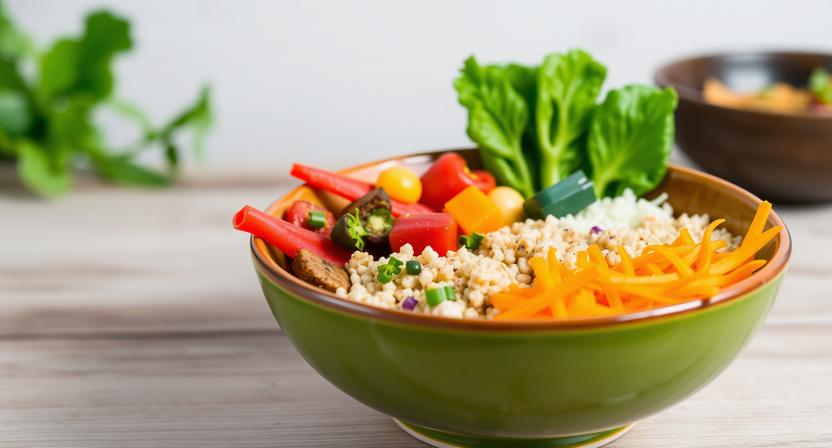
The Origins of the 80/20 Principle in Nutrition
The concept borrows from the famous Pareto Principle, originally an economic theory stating that 80% of results come from 20% of efforts. Nutritionists adapted this idea to eating: if you make healthy choices most of the time, the occasional indulgence won’t derail your health goals. Sports dietitians and wellness coaches have championed the 80 20 rule diet for years as a practical antidote to all-or-nothing thinking.
Why the 80 20 Rule Diet Actually Works
Science backs up why this approach succeeds where strict diets fail. Studies consistently show that extreme dietary restriction leads to rebound overeating and psychological burnout. The 80 20 rule diet works because it:
- Eliminates deprivation: When no food is “off limits,” cravings lose their power.
- Reduces diet fatigue: Flexibility prevents the burnout that kills long-term adherence.
- Supports mental health: A healthy relationship with food reduces anxiety around eating.
- Encourages consistency: Sustainable habits over months and years deliver better results than two weeks of perfection.
What Does 80% Healthy Eating Look Like?
The 80% portion of your diet should be built around nutrient-dense, whole foods that fuel your body. Think of it as filling your plate with purpose most of the time.
Foods to Prioritize in Your 80%
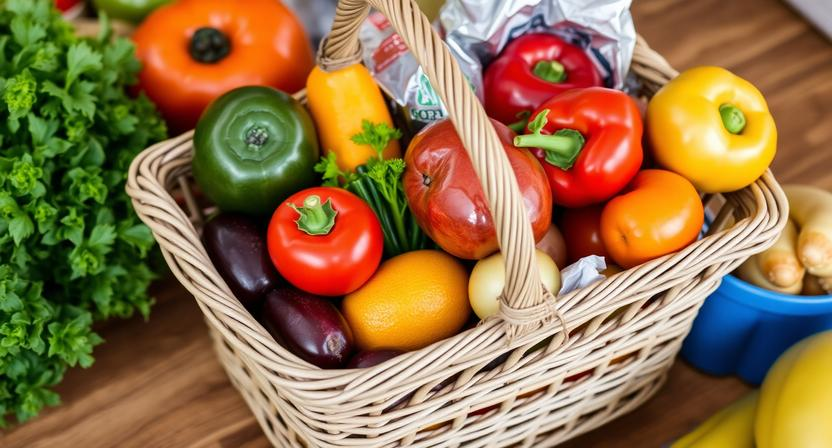
- Fresh fruits and vegetables (aim for a rainbow of colors)
- Lean proteins: chicken, fish, legumes, tofu, eggs
- Whole grains: oats, brown rice, quinoa, whole wheat
- Healthy fats: avocado, nuts, seeds, olive oil
- Low-fat dairy or plant-based alternatives
- Water, herbal teas, and low-sugar beverages
What Does the 20% Look Like?
Here’s where the magic happens. Your 20% is your joy budget — the meals, snacks, or treats you eat purely for pleasure, without guilt or mental gymnastics. On the 80 20 rule diet, this might look like:
- A rich pasta dinner at your favorite restaurant
- Weekend brunch with pancakes and syrup
- A glass of wine or cocktail at a social event
- Your grandma’s famous chocolate cake at a birthday
- A bag of chips during movie night
The key distinction: the 20% is savored and intentional, not mindless stress-eating. Enjoy it fully, then return to your 80% routine without drama.
An 80 20 Rule Diet Recipe: Herbed Chicken & Roasted Veggie Bowl
This bowl is the ultimate expression of the 80 20 rule diet in action — nutrient-dense, colorful, satisfying, and easy enough for a weeknight. It belongs firmly in your 80%.
🍽 Herbed Chicken & Roasted Veggie Bowl
Ingredients
- 2 chicken breasts, sliced
- 1 cup cooked quinoa
- 1 zucchini, diced
- 1 red bell pepper, sliced
- 1 cup cherry tomatoes
- 1 cup broccoli florets
- 2 tbsp olive oil
- 2 cloves garlic, minced
- 1 tsp dried oregano
- 1 tsp smoked paprika
- Salt & pepper to taste
- Juice of ½ lemon
- Fresh parsley to garnish
- Optional: tahini drizzle
Step-by-Step Instructions
- Preheat your oven to 400°F (200°C). Line a large baking sheet with parchment paper.
- Toss zucchini, bell pepper, cherry tomatoes, and broccoli with 1 tbsp olive oil, salt, and pepper. Spread on the baking sheet.
- Roast vegetables for 20–22 minutes until caramelized at the edges, flipping halfway through.
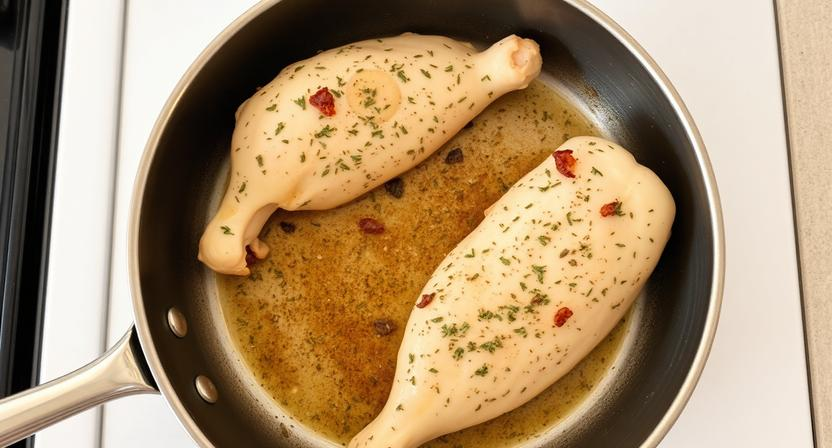
- While veggies roast, season chicken with garlic, oregano, smoked paprika, salt, and pepper.
- Heat remaining olive oil in a skillet over medium-high heat. Cook chicken 5–6 minutes per side until golden and cooked through.
- Squeeze lemon juice over the chicken and let it rest for 3 minutes before slicing.
- Build your bowl: start with a base of quinoa, top with roasted vegetables and sliced chicken.
- Drizzle with tahini (optional) and garnish with fresh parsley. Serve immediately.
Cooking & Lifestyle Tips for the 80 20 Rule Diet
🥦 Meal Prep SundaysBatch-cook grains, proteins, and roasted veggies once a week to make healthy eating effortless on busy days.
📱 Don’t Count CaloriesThe 80 20 rule diet is about proportion and mindset, not numbers. Trust the balance rather than tracking obsessively.
🍽 Plate it BeautifullyYou eat with your eyes first. Making your 80% meals visually appealing increases satisfaction and reduces the urge to splurge.
🧂 Season GenerouslyHealthy food should taste incredible. Use fresh herbs, citrus, spices, and good-quality olive oil to make nutritious meals exciting.
🛍 Shop the PerimeterIn most grocery stores, whole foods live around the edges. Spend most of your time there to naturally stock up on your 80% staples.
🎉 Enjoy the 20% FullyEat your treat mindfully, without distraction. Savor every bite. This prevents the guilt-binge cycle that sabotages progress.
How to Calculate Your 80/20 Split
If you eat three meals and two snacks daily, that’s roughly 35 eating occasions per week. Under the 80 20 rule diet, about 28 of those occasions should be nourishing whole-food choices, leaving 7 for your favorite indulgences. You don’t need a calculator — most people find it helpful to simply aim for one or two “treat meals” per week, keeping daily snacks and weekday meals clean and whole-food based.
80 20 Rule Diet Meal Planning: A Sample Week
Sample Weekday (80% Meals)
- Breakfast: Greek yogurt with berries, chia seeds, and a drizzle of honey
- Lunch: Large kale salad with chickpeas, cucumber, feta, and lemon tahini dressing
- Dinner: Herbed Chicken & Roasted Veggie Bowl (see recipe above)
- Snack: Apple slices with almond butter
Sample Weekend (20% Moment)
- Saturday Brunch: Fluffy buttermilk pancakes with maple syrup and bacon
- Saturday Dinner: Takeout from your favorite Thai restaurant — pad thai and spring rolls included
Common Mistakes to Avoid on the 80 20 Rule Diet
⚠️ Watch Out For These Pitfalls
- Letting 20% creep to 40%: Social occasions, stress, and convenience can silently tip the balance. Check in with yourself weekly.
- Using 20% as a binge trigger: One treat should not cascade into a full day of poor choices. Contain it, enjoy it, move on.
- Making the 80% boring: Bland “health food” leads to resentment. Invest in good recipes and spices.
- Skipping meals to “save” 20%: This is a diet mentality trap. The 80 20 rule diet is about balance, not restriction and reward.
Who Is the 80 20 Rule Diet Best For?
The 80 20 rule diet is ideal for people who want long-term health improvement without the rigidity of structured diets. It works particularly well for:
- Busy professionals who can’t meal prep every single day
- Social eaters who regularly enjoy meals out or with family
- Anyone recovering from a restrictive diet or disordered eating patterns
- People who have tried and failed strict diets and want a more forgiving approach
- Fitness enthusiasts looking to maintain a healthy weight without obsessing
However, people managing specific medical conditions such as diabetes, celiac disease, or food allergies should work with a registered dietitian before adopting any new approach, including the 80 20 rule diet.
Final Thoughts: Is the 80 20 Rule Diet Right for You?
The 80 20 rule diet isn’t a magic solution — it’s a mindset shift. It asks you to trust that consistent, good-enough choices will outperform short bursts of dietary perfection over time. And the research agrees: sustainability beats severity, every time.
If you’ve ever felt imprisoned by your eating habits, this approach offers a key. Start small — make your next five meals wonderfully nourishing, and then guilt-free order that pizza on Friday night. That’s the 80 20 rule diet, and it’s a practice worth building for life.
Frequently Asked Questions
Q1: Can I lose weight on the 80 20 rule diet?
Yes — many people do lose weight following the 80 20 rule diet, especially if their previous eating habits were less balanced. Weight loss depends on the overall quality and quantity of your 80% choices. Filling that portion with whole, nutrient-dense foods that are naturally lower in empty calories creates a sustainable calorie balance without the misery of strict restriction. Results vary based on individual metabolism, activity level, and starting habits, but the approach consistently supports gradual, maintainable weight management.
Q2: How is the 80 20 rule diet different from a cheat day?
The key difference is mindset and proportion. A “cheat day” implies that healthy eating is a punishment you need a break from, which reinforces a negative relationship with food. The 80 20 rule diet, by contrast, normalizes indulgence as a planned, joyful part of balanced eating — spread across the week rather than concentrated into one day. It removes the guilt language entirely and treats all food as food, not as “cheating.”
Q3: Do I need to track my food intake to follow the 80 20 rule diet?
Not at all — and that’s one of its greatest strengths. The 80 20 rule diet is intentionally low-maintenance. Rather than logging every calorie or macro, you simply develop an awareness of what most of your meals look like. In the beginning, some people find it helpful to keep a loose mental note of how many nutrient-rich versus indulgent meals they had in a week. Over time, this balance becomes intuitive. The goal is freedom, not another form of obsessive tracking.
Related Posts

Best Tea for Immune System: Natural Teas to Strengthen Your Body’s Defenses
Introduction (Problem + Solution) In today’s fast-paced lifestyle, weakened immunity…
Diet Dr Pepper Nutrition Label: 7 Shocking Facts You Must Know
Discover the complete diet dr pepper nutrition label including calories,…
Black Tea Shot: 7 Powerful Benefits, Recipe Secrets & Expert Tips
Discover everything about the black tea shot—its ingredients, recipe, variations,…