Discover the benefits of the best natural dog food for your furry friend. Learn how to choose healthy ingredients and even cook homemade meals for your dog.
When we bring a dog into our lives, they quickly become family. They are our walking partners, our snuggle buddies, and our most loyal supporters. As pet parents, one of the most significant decisions we make for their well-being revolves around their nutrition. We want them to live long, happy, and healthy lives, and that starts with what goes into their bowl every day. With so many options lining the pet store shelves, deciphering labels can feel overwhelming.
Recently, there has been a massive shift towards more holistic, clean eating for pets. Many owners are moving away from processed kibble filled with unrecognizable by-products and are instead seeking out the best natural dog food options available. But what does “natural” actually mean in this context? Is it just a marketing buzzword, or does it genuinely benefit your four-legged friend? In this comprehensive guide, we will explore what makes a food “natural,” the benefits of switching, and how you can even create nutritious meals right in your own kitchen.
What Does “Natural” Really Mean?
The term “natural” is broadly used in the pet food industry, but it does have a specific definition according to the Association of American Feed Control Officials (AAFCO). For a product to be labeled as natural, it must not contain any chemically synthesized ingredients, artificial preservatives, or artificial flavors. Essentially, the ingredients must be derived solely from plant, animal, or mined sources.
However, not all labels are created equal. When searching for the best natural dog food, you need to look beyond the front of the bag. A “Natural” label might still include high levels of fillers like corn or wheat. A truly high-quality natural food prioritizes whole proteins (like chicken, beef, or fish) as the first ingredient, followed by easily identifiable fruits, vegetables, and healthy fats. It avoids the “mystery meats” and ambiguous “meat meals” that are common in lower-quality commercial brands.
The Benefits of a Natural Diet
Switching your dog to a natural diet can have transformative effects on their overall health. Because natural foods are less processed and contain fewer fillers, your dog’s body can absorb nutrients more efficiently.
One of the first changes you might notice is an improvement in their coat. Natural foods typically contain higher levels of Omega-3 and Omega-6 fatty acids from sources like salmon oil or flaxseed, resulting in shinier fur and less shedding. You may also see increased energy levels. Without the “sugar crashes” associated with low-quality fillers and excessive carbohydrates, dogs often maintain a more consistent energy level throughout the day.
Furthermore, the best natural dog food often supports better digestion. Many commercial foods use artificial colors and chemical preservatives that can irritate a dog’s digestive tract. Natural ingredients are gentler on the stomach, leading to fewer tummy troubles and better stool quality.
Key Ingredients to Look For
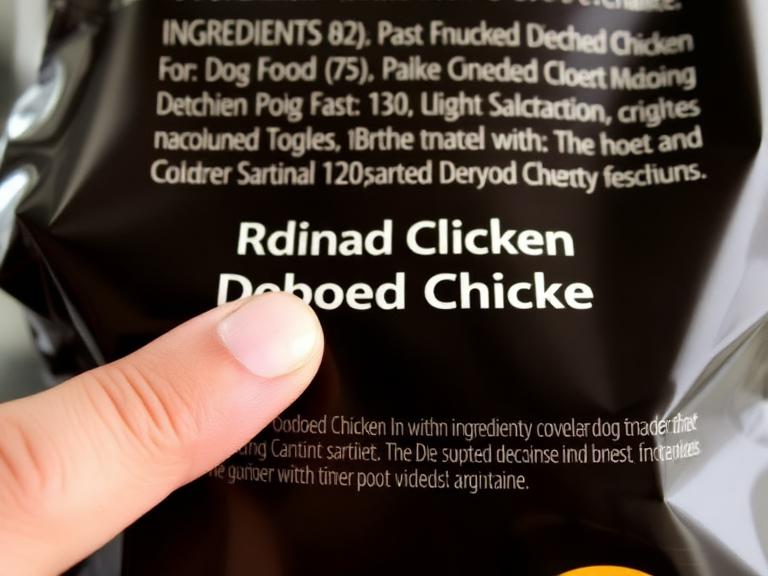
To ensure you are buying a premium product, you need to become an expert label reader. The ingredient list is the most telling part of the packaging.
- Whole Proteins: Look for named meat sources like “Deboned Chicken,” “Lamb,” or “Salmon” as the very first ingredient. Avoid generic terms like “Poultry Meal” or “Meat By-products.”
- Healthy Fats: Ingredients like chicken fat (often preserved naturally with mixed tocopherols) and fish oil are excellent for brain and heart health.
- Digestible Carbs: While dogs don’t strictly need carbs, they provide energy and fiber. Look for whole grains like brown rice or barley, or grain-free options like sweet potatoes, peas, or lentils.
- Antioxidant-Rich Produce: Blueberries, cranberries, carrots, and spinach are often included in the best natural dog food blends to boost the immune system.
Ingredients You Should Avoid
Just as important as what goes in the food is what is left out. Many commercial brands cut costs by using fillers that offer little nutritional value.
Avoid foods that list “Corn,” “Wheat,” or “Soy” as primary ingredients. While not toxic, these are common allergens for many dogs and are often used as cheap protein fillers. You should also steer clear of artificial preservatives like BHA, BHT, and Ethoxyquin, which have been linked to health issues in long-term studies.
Additionally, be wary of “artificial flavors.” If the food is made with high-quality ingredients, it shouldn’t need artificial flavoring to entice your dog to eat it. The best natural dog food relies on the natural palatability of real meat and fats.
Homemade Natural Dog Food: Is It Right for You?
While buying high-quality commercial food is convenient, many owners are taking control of their pet’s diet by cooking at home. This allows you to hand-pick every single ingredient that goes into your dog’s bowl. It is particularly beneficial for dogs with severe allergies or sensitivities to specific ingredients found in commercial blends.
However, cooking for your dog requires balance. You can’t just feed them meat and rice; they need specific ratios of calcium, phosphorus, and essential vitamins. If you choose this route, it is vital to consult with a veterinarian or a veterinary nutritionist to ensure you aren’t missing critical nutrients.
Simple Homemade Natural Dog Food Recipe
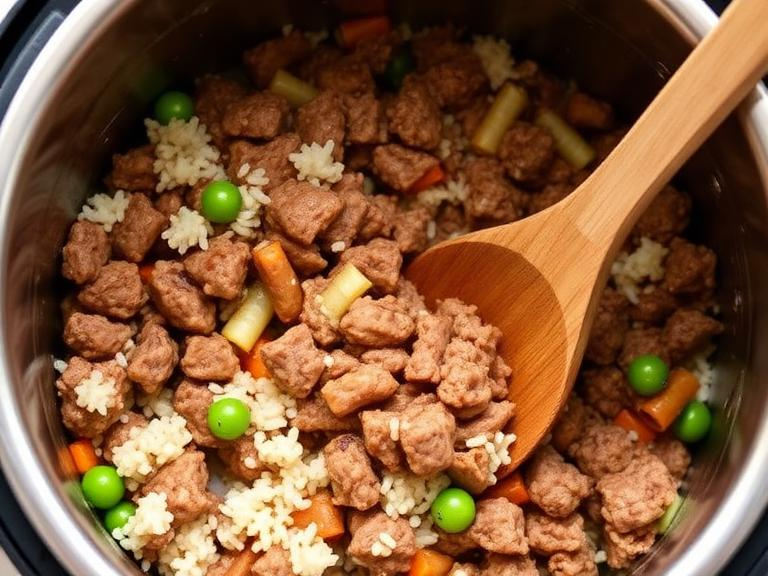
If you want to try your hand at homemade meals, here is a simple, vet-approved base recipe that many dogs love. Remember, variety is key, and supplements may be needed for long-term feeding.
Ingredients:
- 3 lbs ground turkey (or lean ground beef)
- 2 cups brown rice (cooked)
- 1 cup chopped carrots
- 1 cup chopped green beans
- 1 cup chopped spinach
- 1 tablespoon olive oil
- 1/2 cup water or unsalted bone broth
Step-by-Step Cooking Instructions:
- Prep the Ingredients: Rinse the brown rice thoroughly. Chop the carrots, green beans, and spinach into small, bite-sized pieces to ensure they are easy for your dog to digest.
- Cook the Protein: In a large pot or Dutch oven, brown the ground turkey over medium heat. Use a spatula to break the meat into small crumbles as it cooks. Ensure the meat is cooked all the way through; there should be no pink remaining.
- Add Veggies and Rice: Once the turkey is browned, reduce the heat to low. Add the cooked brown rice, chopped carrots, green beans, and spinach to the pot.
- Simmer: Pour in the water or bone broth and the olive oil. Stir everything together until well combined. Cover the pot with a lid and let it simmer for about 10-15 minutes, or until the vegetables are tender.
- Cool and Serve: Remove the pot from the heat and let the food cool completely before serving it to your dog. Hot food can burn their mouth and esophagus.
Helpful Cooking Tips for Dog Food
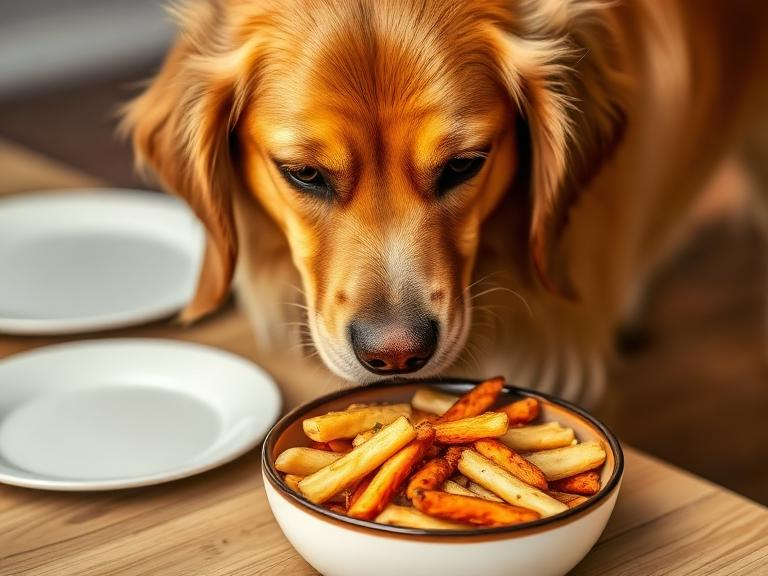
Making your own dog food is rewarding, but there are a few rules to follow to keep it safe and healthy:
- No Seasoning: Never add salt, pepper, garlic, or onions to your dog’s food. Onions and garlic are toxic to dogs and can cause anemia. Salt can lead to sodium ion poisoning.
- Fat Trimming: While dogs need fat for energy, too much fat can lead to pancreatitis. If you are using a fatty cut of meat, drain the excess grease after browning.
- Batch Cooking: You can cook a large batch on Sunday and portion it out for the week. This food will stay fresh in the refrigerator for 3-4 days or in the freezer for up to 2 months.
- Supplement Wisely: Homemade food often lacks calcium. You may need to add a calcium supplement or a comprehensive vitamin mix designed for home-cooked diets. Always ask your vet for specific dosage recommendations.
Transitioning to a New Food
Whether you are switching from a commercial brand to the best natural dog food or moving to a homemade diet, the transition must be slow. A sudden change in diet can cause gastrointestinal upset, leading to diarrhea or vomiting.
The 7-Day Transition Rule:
- Days 1-2: Mix 75% old food with 25% new food.
- Days 3-4: Mix 50% old food with 50% new food.
- Days 5-6: Mix 25% old food with 75% new food.
- Day 7: Feed 100% new food.
Monitor your dog during this time. If their stool becomes loose, slow down the transition process and give their digestive system more time to adjust.
Reading the Labels: Marketing vs. Reality
Marketing can be deceptive. You might see a bag printed with gorgeous photos of fresh vegetables and raw steaks, but the contents might tell a different story. When searching for the best natural dog food, look for the “AAFCO statement” on the label.
This statement ensures that the food is “complete and balanced” for your dog’s specific life stage (puppy, adult, or senior). A food might be natural, but if it isn’t balanced, it can lead to nutritional deficiencies over time. Be wary of “gourmet” or “premium” labels—these terms have no official regulatory definition. Trust the ingredient list and the nutritional adequacy statement over the flashy marketing on the front.
Final Thoughts on Canine Nutrition
Your dog depends on you to make the best choices for their health. Investing in high-quality, natural nutrition is an investment in their longevity. Whether you choose a top-tier commercial brand or decide to cook wholesome meals at home, the goal is the same: to provide your pet with the fuel they need to thrive. By prioritizing whole ingredients and avoiding artificial additives, you are giving your companion the gift of better health, one bowl at a time.
FAQ Section
Q: Is grain-free food better for dogs?
A: Not necessarily. While some dogs are allergic to grains, most dogs digest them well. Grains like brown rice and barley can be excellent sources of energy. The FDA has also investigated a potential link between grain-free diets and heart disease (DCM) in dogs, so it is best to consult your vet before switching to a grain-free formula.
Q: How do I know if my dog has a food allergy?
A: Common signs of food allergies include chronic ear infections, itchy skin (especially paws and ears), and gastrointestinal issues like vomiting or diarrhea. If you suspect an allergy, your vet can help you identify the trigger, often through an elimination diet using the best natural dog food with limited ingredients.
Q: Can I mix commercial food with homemade food?
A: Yes, many owners do this to save money while still providing fresh nutrients. This is called “topping.” Just ensure that the total caloric intake matches your dog’s needs so they don’t gain weight, and ensure the ratio is balanced so they aren’t missing out on essential vitamins.
One Reply to “The Ultimate Guide to Choosing the Best Natural Dog Food for Your Pup”
Leave a Reply
Related Posts
11 Powerful & Trusted Healthy Pet Food Brands for a Happier, Longer Pet Life
Healthy pet food brands help your furry companions thrive with…
10 Powerful Benefits of Nature’s Blend Dog Food You Should Know
Nature's Blend dog food offers high-quality ingredients, strong nutritional value,…

State Birds: The Complete Guide to US Avian Symbols (History & List)
Discover the history and meaning behind all 50 state birds.…
#alo8 #alo8casino #slotgamealo8 #nhacaialo8 #dangkyalo8