Learn essential cooking tips for beginners. Improve your skills, avoid common mistakes, and cook delicious meals with confidence.
Cooking Tips for Beginners: Start Your Culinary Journey with Confidence
Introduction
Starting in the kitchen can feel intimidating, but with the right guidance, anyone can cook delicious meals. These cooking tips for beginners cover essential techniques, common mistakes to avoid, and practical habits that make your cooking journey smooth and enjoyable.
Cooking is not just about following recipes; it’s about learning, experimenting, and building confidence.
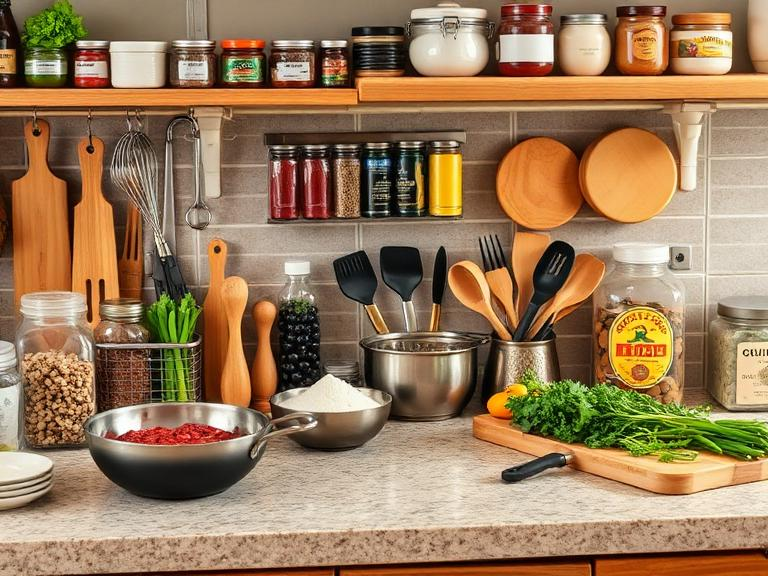
1. Start with Simple Recipes
- Begin with dishes that have fewer ingredients and straightforward steps.
- Focus on mastering basic cooking methods like sautéing, boiling, and baking.
- Gradually move to more complex meals as your confidence grows.
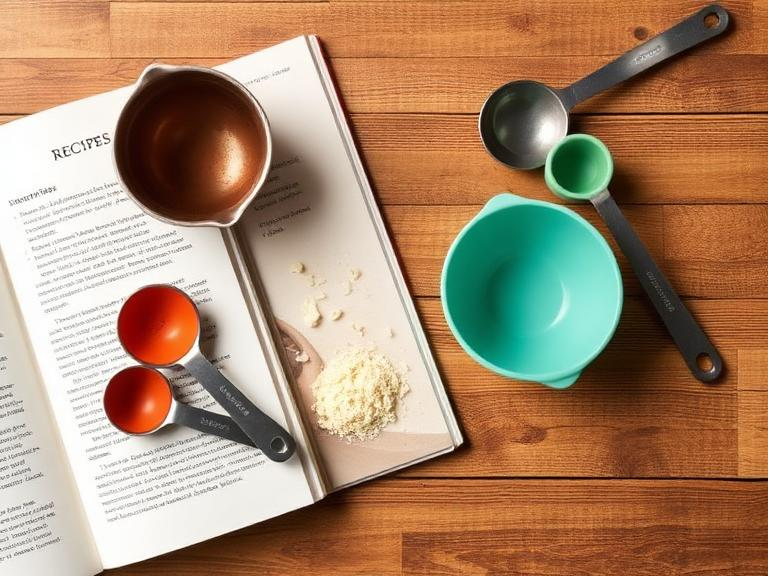
2. Measure Ingredients Accurately
- Use measuring cups, spoons, and a kitchen scale for consistent results.
- Baking especially requires precision; small mistakes can affect the final dish.
- Organize ingredients before starting to make cooking smoother.
3. Master Basic Knife Skills
- Learn how to chop, dice, and slice efficiently.
- Keep knives sharp; dull knives are dangerous and slow you down.
- Practice safe cutting techniques and use appropriate cutting boards.
4. Clean as You Go
- Wash utensils and wipe surfaces while cooking to avoid clutter.
- Keeping your workspace tidy makes cooking faster and reduces stress.
- Organize ingredients for easy access.
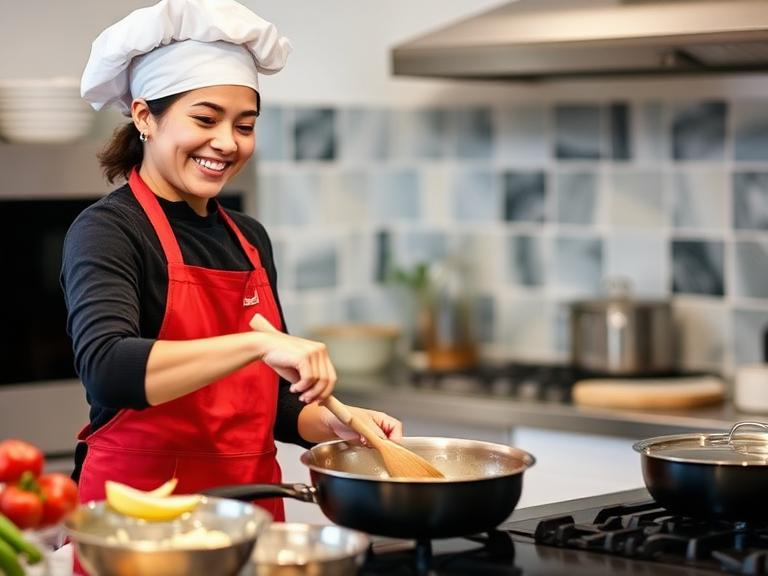
5. Understand Cooking Times and Temperatures
- Learn how long different ingredients take to cook.
- Use a thermometer for meats and baked goods for perfect results.
- Pay attention to texture, smell, and taste while cooking.
6. Taste and Adjust
- Always taste your food before serving.
- Adjust seasoning gradually; salt, pepper, and acidity can elevate flavors.
- Keep basic condiments handy for quick adjustments.
7. Don’t Be Afraid to Experiment
- Try different herbs, spices, and cooking methods.
- Substitute ingredients to fit your pantry or taste preferences.
- Mistakes are learning opportunities; cooking improves with practice.
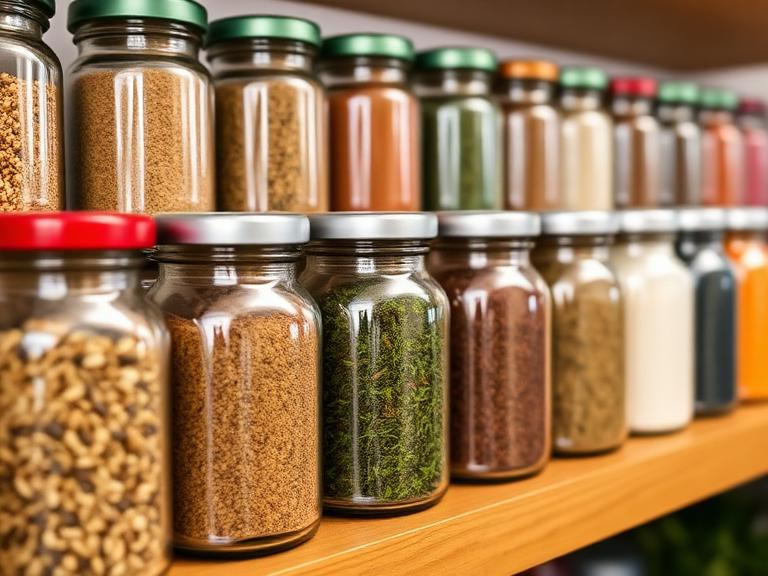
8. Organize Your Pantry
- Keep essentials like oils, spices, grains, and canned goods accessible.
- Label items and maintain a basic stock for quick meal prep.
- Rotate ingredients to prevent spoilage.
Conclusion
Cooking becomes easier with practice, patience, and these cooking tips for beginners. Start simple, learn gradually, and make your kitchen experience enjoyable. With the right habits, tools, and mindset, anyone can create meals that are healthy, delicious, and satisfying.
Related Posts

9 Irresistible Dessert Cocktails to Cap Off Your Meal That Guests Will Love
Discover the best Dessert Cocktails to Cap Off Your Meal…
North vs South Indian Cuisine: What Really Sets Them Apart?
Indian food is not one single style of cooking. It…

Homemade Hidden Gem Bars: The Ultimate Salted Caramel Chocolate Recipe
Discover the secret to the best Hidden Gem Bars! This…