Craving Indo-Chinese? Try this crispy Egg Manchurian Recipe! A step-by-step guide to making restaurant-style spicy egg Manchurian gravy or dry at home.
There is something undeniably addictive about Indo-Chinese cuisine. The perfect balance of sweet, salty, and spicy flavors hits the spot every time. While we all love a plate of Chilli Chicken or Vegetable Fried Rice, there is a vegetarian superstar that often gets overlooked: the Egg Manchurian Recipe.
If you are tired of the same old egg curry or boiled eggs for dinner, this recipe is a game-changer. Imagine golden, crispy-fried boiled eggs tossed in a fiery, tangy Manchurian sauce loaded with garlic, ginger, and crunchy vegetables. It is a textural delight that takes less than 30 minutes to prepare. Whether you serve it as a starter for a dinner party or as a main course alongside vegetable fried rice, this Egg Manchurian Recipe is guaranteed to be a crowd-pleaser.
What is Egg Manchurian?
Egg Manchurian is a popular Indo-Chinese appetizer or main course dish. It is a variation of the more famous Chicken Manchurian or Gobi Manchurian. The concept is simple but brilliant: boiled eggs are deep-fried until the outer skin becomes crispy and chewy, and then they are tossed in a wok with a flavorful sauce.
The sauce is the heart of this dish. It is typically made with a base of ginger, garlic, green chilies, onions, and capsicum (bell peppers), bound together by soy sauce, chili sauce, and tomato ketchup. The result is a glossy, dark brown coating that clings to the eggs, delivering a burst of umami flavor in every bite. Learning this Egg Manchurian Recipe opens the door to mastering the art of Indo-Chinese cooking in your own kitchen.
Why You Will Love This Egg Manchurian Recipe
There are plenty of reasons to bookmark this recipe for your next meal:
- Quick and Easy: From start to finish, this dish takes about 30 minutes. It is perfect for busy weeknights.
- Minimal Ingredients: You likely have most of the sauces and spices in your pantry already.
- Versatile: You can make it “dry” as an appetizer or “gravy” to enjoy with rice or noodles.
- Protein-Packed: Eggs are a fantastic source of high-quality protein, making this a nutritious option compared to deep-fried potato snacks.
- Restaurant Quality: This recipe mimics the flavors you find in your favorite local Chinese takeout joint, without the high price tag or MSG.
Ingredients Needed for Egg Manchurian
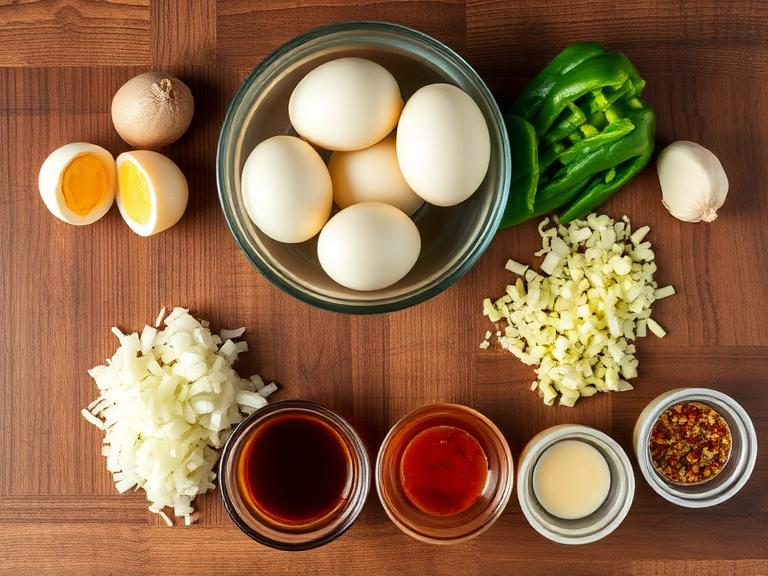
To make the best Egg Manchurian Recipe, you need to divide your ingredients into three categories: the eggs, the coating, and the sauce.
For the Eggs and Coating
- Boiled Eggs: 4 to 5 large eggs, hard-boiled and peeled.
- Cornstarch (Cornflour): 2 tablespoons for dusting the eggs. This ensures the outer layer crisps up nicely.
- All-Purpose Flour (Maida): 1 tablespoon (optional, helps the starch adhere better).
- Salt and Black Pepper: To season the eggs before frying.
- Oil: For deep frying.
For the Manchurian Sauce
- Garlic: 1 tablespoon, finely chopped. Garlic is the star flavor here.
- Ginger: 1 teaspoon, finely chopped.
- Green Chilies: 1 to 2, slit or chopped (adjust to your spice tolerance).
- Onion: 1 medium onion, finely chopped or cubed.
- Capsicum (Bell Pepper): 1/2 cup, cubed. Green capsicum works best for color contrast.
- Spring Onion Greens: 2 tablespoons, chopped for garnish.
- Soy Sauce: 1 tablespoon. Use dark soy sauce for that rich color.
- Red Chili Sauce: 1 tablespoon.
- Tomato Ketchup: 1 tablespoon. This adds a necessary hint of sweetness.
- Vinegar: 1 teaspoon. It cuts through the richness and balances the saltiness.
- Cornstarch Slurry: 1 teaspoon cornstarch mixed with 2 tablespoons water (only if making the gravy version).
Step-by-Step Cooking Instructions
Now that you have your ingredients prepped, let’s dive into the cooking process. Follow these steps to achieve the perfect texture and flavor.
Step 1: Preparing the Eggs
Start by boiling your eggs. Ideally, you want a hard boil where the yolk is fully set but not grey on the outside. Once boiled, peel them and pat them dry with a paper towel. Moisture is the enemy of crispiness!
Make shallow slits or crosses on the surface of the eggs using a sharp knife. This allows the seasoning to penetrate the egg whites. Sprinkle a pinch of salt, black pepper, and cornstarch over the eggs. Gently toss them to ensure they are lightly coated. This cornstarch coating creates a barrier that prevents the egg from absorbing too much oil during frying.
Step 2: Frying the Eggs
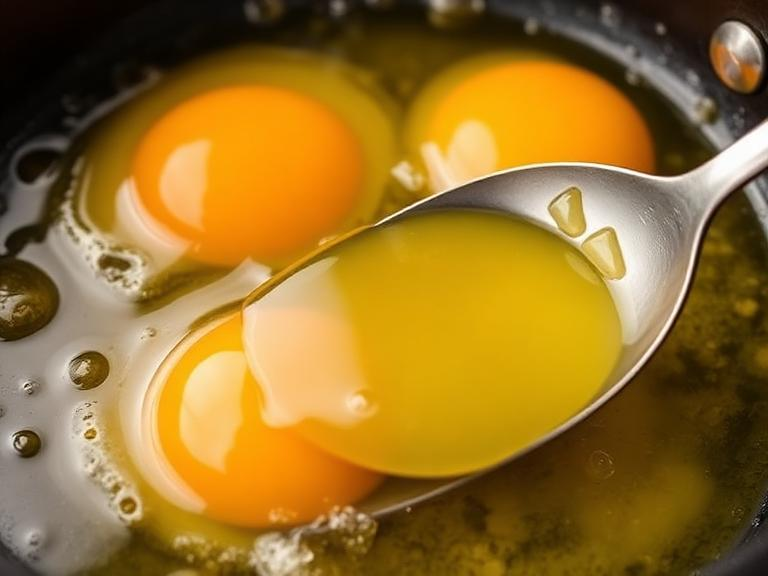
Heat oil in a pan or wok for deep frying. Once the oil is hot (you can test it by dropping a pinch of flour; it should sizzle immediately), carefully slide in the coated eggs.
Fry them on medium heat, turning them occasionally, until they turn golden brown and slightly blistered on the outside. This usually takes about 2-3 minutes. The skin should feel slightly crispy. Remove the eggs with a slotted spoon and drain them on a paper towel. Set them aside.
Step 3: Preparing the Manchurian Sauce Base
In a separate wok or large pan, heat 1 to 2 tablespoons of oil. Since Indo-Chinese cooking relies heavily on aromatics, we start with the “holy trinity” of ginger, garlic, and chilies.
Add the chopped ginger, garlic, and green chilies. Sauté them on high heat for about 30 seconds. Be careful not to burn the garlic, as it turns bitter. You want the kitchen to smell fragrant and garlicky.
Next, add the chopped onions and cubed capsicum. Toss them on high heat. We want the vegetables to retain their crunch, so do not overcook them. They should be slightly translucent but still crisp. This texture contrast is key to a successful Egg Manchurian Recipe.
Step 4: Making the Sauce
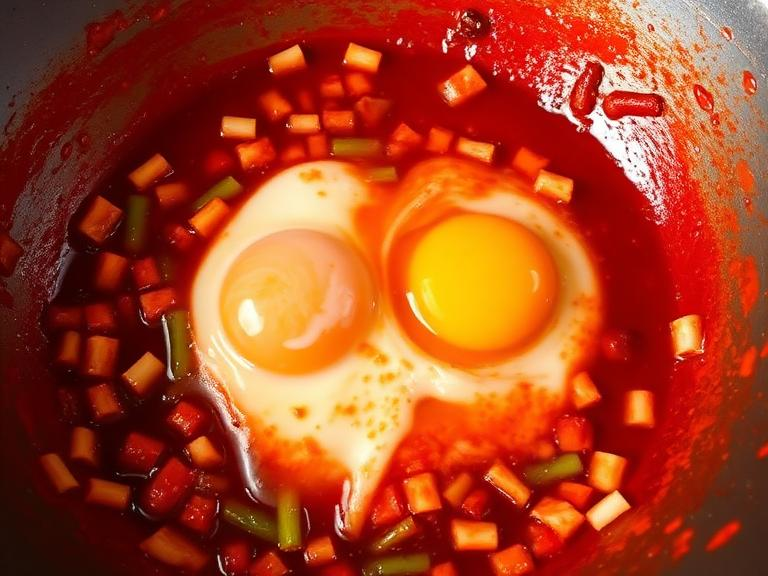
Lower the heat slightly. Now, add the sauces one by one. Pour in the soy sauce, red chili sauce, and tomato ketchup. Add the vinegar as well. Mix everything well.
If you prefer a spicier kick, you can add a pinch of red chili powder or black pepper at this stage. Let the sauce bubble for a minute. If you are making the Gravy version, this is where you add 1 cup of water. Let the water come to a boil, then add the cornstarch slurry. Stir continuously until the sauce thickens to a glossy consistency.
If you are making the Dry version, skip the water and slurry. The sauces themselves will coat the vegetables and eggs sufficiently.
Step 5: Tossing and Serving
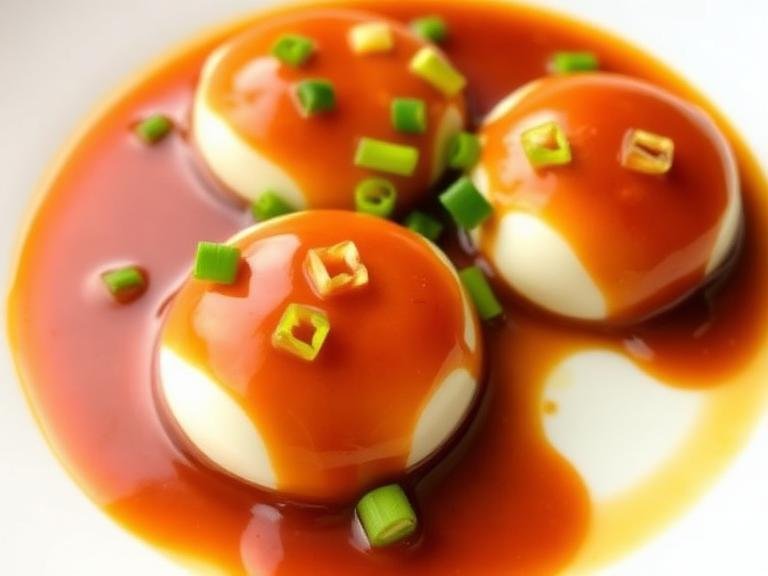
It is time to bring it all together. Toss the fried eggs into the wok with the sauce. Gently fold the eggs so they are coated evenly with the masala. Let them simmer in the sauce for just a minute so the eggs absorb some of that flavor, but keep the crust somewhat intact.
Garnish with chopped spring onion greens. This adds a fresh, oniony bite and a pop of color to the dark dish. Serve immediately while hot and crispy.
Pro Tips for the Best Egg Manchurian
To elevate your Egg Manchurian Recipe from good to “restaurant quality,” keep these tips in mind:
- Pat the Eggs Dry: Before frying, ensure the boiled eggs are completely dry. Wet eggs will cause the oil to splutter violently and prevent the cornstarch from sticking.
- High Heat Cooking: Indo-Chinese cuisine is defined by “wok hei” or the breath of the wok. This smoky flavor is achieved by cooking on high heat quickly. Have all your ingredients chopped and ready before you turn on the stove.
- Don’t Overcook the Veggies: The onions and capsicum should add a refreshing crunch to the dish. If you cook them until soft, you lose the textural complexity that makes Manchurian so good.
- Balance the Flavors: Taste the sauce before adding the eggs. If it’s too salty, add a little more ketchup or a pinch of sugar. If it’s too sweet, add a dash more vinegar or soy sauce.
- Serve Immediately: Like most fried items, Egg Manchurian loses its crispiness as it sits. It is best enjoyed hot, right out of the pan.
Dry vs. Gravy: Which One to Choose?
One of the best things about this Egg Manchurian Recipe is its versatility. But which version should you make?
- Dry Egg Manchurian: This version has very little liquid. The sauce acts merely as a coating for the eggs and vegetables. It is the perfect party appetizer or starter. You can serve it with toothpicks as a finger food.
- Egg Manchurian Gravy: This version involves adding water and a cornstarch slurry to create a thick, luscious sauce. It is ideal if you are serving this as a main course. The gravy pairs beautifully with steamed rice, Hakka noodles, or fried rice.
Serving Suggestions
Pairing your dish correctly completes the meal. Here are some classic combinations:
- With Rice: Serve the gravy version over a bowl of steamed basmati rice or Vegetable Fried Rice. The rice soaks up the delicious sauce.
- With Noodles: A side of Hakka noodles or Singapore noodles complements the dry version perfectly.
- On its Own: If you are making the dry version, serve it simply with a wedge of lemon and some extra chopped chilies on the side.
Nutritional Benefits of Eggs
While this is an indulgent dish, the star ingredient offers excellent nutritional value. Eggs are a powerhouse of nutrition. According to health experts, eggs provide high-quality protein and essential amino acids. They are also rich in Vitamin D, B6, B12, and minerals like zinc and iron. By incorporating eggs into a flavorful dish like this, you are ensuring a protein-rich meal for your family.
Common Mistakes to Avoid
Even with a simple recipe, things can go wrong. Avoid these common pitfalls:
- Burning the Garlic: Garlic burns very quickly. Always sauté it on high heat but watch it like a hawk. Burnt garlic will ruin the taste of the entire dish.
- Overcrowding the Pan: When frying the eggs, do not put them all in at once if your pan is small. Overcrowding drops the oil temperature, resulting in soggy, greasy eggs rather than crispy ones.
- Skipping the Slit: Don’t forget to make slits on the boiled eggs. Without them, the flavors of the sauce won’t penetrate the egg white, leaving the inside bland.
- Using Too Much Soy Sauce: Soy sauce is salty. If you add too much, the dish becomes unpalatable. Stick to the measurements in this Egg Manchurian Recipe for a balanced flavor.
Storage and Reheating
If you have leftovers (which is rare!), store them in an airtight container in the refrigerator for up to 2 days.
However, keep in mind that the fried egg coating will lose its crispiness. To reheat, it is best to use a skillet or pan on the stovetop rather than a microwave. A quick toss in a hot pan can help revive some of the texture. If you stored the gravy version, you might need to add a splash of water while reheating as the sauce tends to thicken in the fridge.
Conclusion
This Egg Manchurian Recipe is a celebration of bold flavors and textures. It transforms simple boiled eggs into a gourmet experience that rivals any restaurant dish. Whether you prefer the dry, crunchy appetizer or the saucy, comforting gravy, this recipe is a must-try for any egg lover. It is quick, satisfying, and bursting with the signature flavors of Indo-Chinese cuisine.
So, the next time you are wondering what to cook for dinner, grab a carton of eggs and whip up this delightful dish. Don’t forget to share your creations with friends and family—just don’t be surprised when they ask for seconds!
FAQ Section
1. Can I use an air fryer to cook the eggs instead of deep frying?
Yes, you can! If you want to cut down on oil, preheat your air fryer to 200°C (400°F). Coat the boiled eggs with a little oil, cornstarch, and seasonings. Air fry them for 10-12 minutes or until the skin is golden and slightly crispy. While the texture will be different from deep-frying, it is a healthier alternative for your Egg Manchurian Recipe.
2. How do I prevent the eggs from bursting while frying?
Eggs can burst if there is trapped moisture or if the yolks are too hot. Ensure the eggs are patted completely dry after peeling. Making small slits on the surface also helps release steam. Additionally, use a splatter screen or lower the heat slightly when frying.
3. Is Egg Manchurian spicy?
Traditionally, yes, it has a moderate spice level coming from green chilies, chili sauce, and black pepper. However, the beauty of cooking at home is that you have full control. If you have a low spice tolerance, reduce the amount of green chilies and chili sauce, and increase the ketchup for a sweeter profile.
Related Posts

Thanksgiving Recipes: 17 Mouthwatering Classics & Modern Twists for a Perfect Holiday Feast
Discover the best thanksgiving recipes with classic favorites, modern twists,…

Smoked Turkey Breast: A Delicious Holiday Recipe Smoked Turkey
When it comes to holiday feasts or backyard BBQs, nothing…

Vegetarian Crockpot Recipes Easy: Simple, Healthy, and Flavorful Meals for Busy Days
Busy schedules, long working hours, and daily responsibilities often leave…