A healthy food buying guide can seem simple until you step into a supermarket. Bright packaging, “natural” labels, discount bundles, and endless choices can make it hard to decide what’s actually good for you. Many people want to eat healthier but end up overspending, buying ultra-processed items, or picking foods that only look nutritious.
A smart buying strategy fixes that. When you know what to look for, how to compare products, and how to plan your shopping, healthy eating becomes easier and more affordable.
This guide walks you through practical steps to help you choose better food for your body and your budget.
Why Healthy Food Buying Matters
Food choices affect:
- Energy levels
- Weight management
- Immunity
- Heart health
- Long-term disease risk
- Monthly grocery expenses
Smart shopping is the foundation of healthy cooking and meal planning.
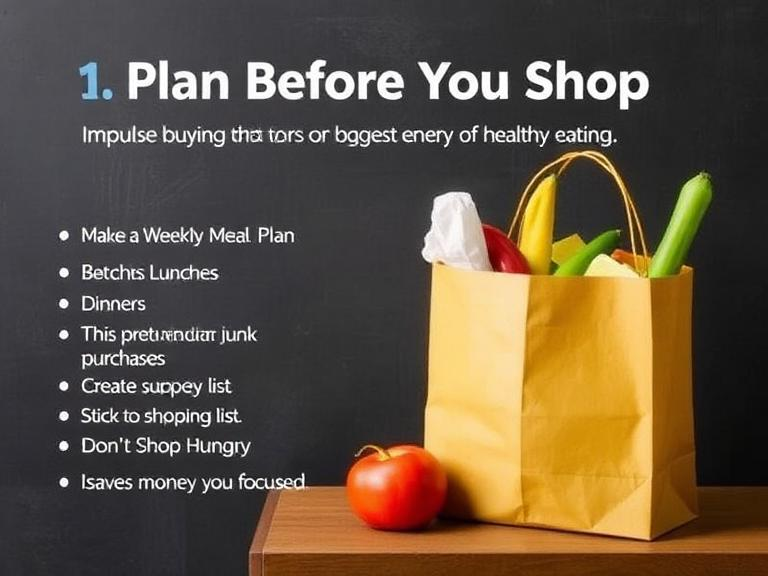
1. Plan Before You Shop
Impulse buying is the biggest enemy of healthy eating.
✔ Make a Weekly Meal Plan
Decide:
- Breakfasts
- Lunches
- Dinners
- Snacks
This prevents random junk purchases.
✔ Create a Shopping List
Stick to your list. It saves money and keeps you focused.
✔ Don’t Shop Hungry
You’re more likely to grab unhealthy snacks.
2. Understand Food Labels
Most “healthy-looking” foods are marketing traps.
✔ Read the Ingredients List
- Shorter list = usually better
- Avoid artificial colors and preservatives
- Ingredients are listed by quantity
If sugar is one of the first three ingredients, skip it.
✔ Check Nutrition Facts
Look for:
- Low added sugar
- Low sodium
- High fiber
- Good protein content
- Healthy fats
Helpful reference standards are provided by organizations like
World Health Organization and
USDA.
3. Shop the Perimeter First
Most whole foods are around store edges:
- Fruits & vegetables
- Dairy
- Fresh meat & fish
- Eggs
Center aisles usually contain processed foods.
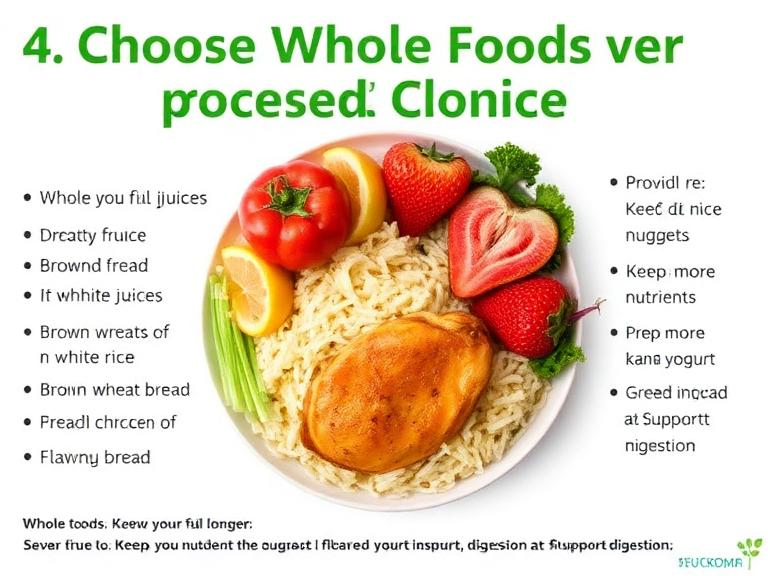
4. Choose Whole Foods Over Processed
Better Choices
- Whole fruits instead of fruit juices
- Brown rice instead of white rice
- Whole wheat bread instead of white bread
- Fresh chicken instead of nuggets
- Plain yogurt instead of flavored yogurt
Whole foods:
- Keep you full longer
- Provide more nutrients
- Support digestion
5. Smart Produce Buying Tips
✔ Buy Seasonal
Seasonal fruits and vegetables:
- Taste better
- Cost less
- Have higher nutrients
✔ Check Freshness
Avoid:
- Wrinkled skin
- Dark spots
- Bad smell
✔ Frozen is Also Healthy
Frozen vegetables:
- Last longer
- Retain nutrients
- Reduce waste
6. Protein Buying Guide
Protein keeps muscles strong and hunger controlled.
Best Budget Protein Sources
- Eggs
- Lentils
- Beans
- Chickpeas
- Yogurt
- Peanut butter
Lean Meat Choices
- Skinless chicken
- Fish
- Lean beef cuts
Limit
- Processed meats
- Frozen fried items
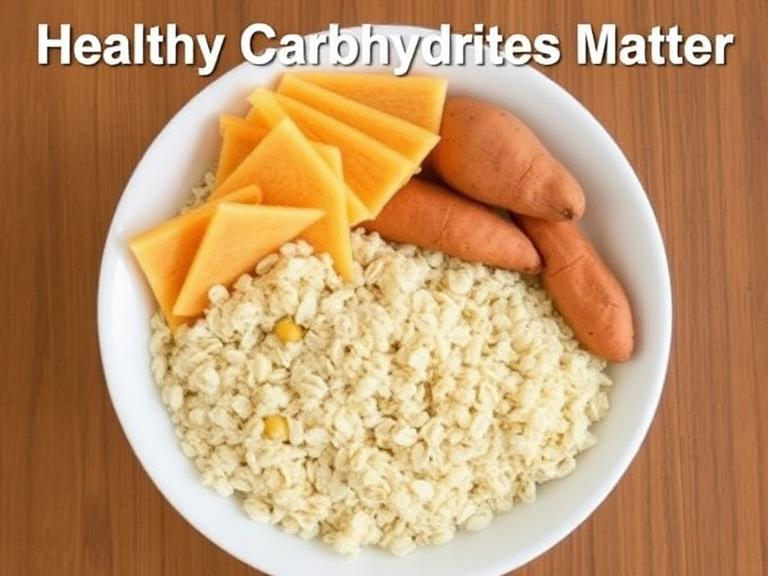
7. Healthy Carbohydrates Matter
Carbs are not the enemy. Quality matters.
Choose:
- Oats
- Brown rice
- Quinoa
- Whole wheat flour
- Sweet potatoes
Avoid:
- White bread
- Sugary cereals
- Refined flour snacks
8. Smart Fat Selection
Healthy fats improve heart and brain function.
Good Fats
- Olive oil
- Nuts
- Seeds
- Avocados
- Fatty fish
Limit
- Margarine
- Deep-fried foods
- Hydrogenated oils
9. Dairy & Alternatives
Healthier Options
- Low-fat milk
- Plain yogurt
- Unsweetened plant milk
Avoid
- Flavored milk
- Sugary yogurt
- High-sugar dairy desserts
10. Beware of “Healthy” Marketing Claims
Words that can mislead:
- Natural
- Multigrain
- Lite
- Fat-free
- Sugar-free
Always verify with ingredients and nutrition label.
11. Budget-Friendly Healthy Shopping
Healthy food doesn’t have to be expensive.
Save Money By:
- Buying in bulk
- Choosing store brands
- Comparing unit prices
- Using weekly deals
- Cooking at home
Smart Tip
Dried beans and lentils are cheaper than canned.
12. Reduce Food Waste
Food waste wastes money.
Practical Steps
- Store vegetables properly
- Freeze leftovers
- Use older produce first
- Plan portion sizes
13. Online Healthy Food Shopping
Online platforms help compare products and read reviews.
You can explore reliable grocery options here:
- Healthy food guidance: https://www.who.int
- Nutrition resources & food data: https://www.usda.gov
14. Healthy Snacks to Add to Cart
Keep ready-to-eat healthy options:
- Nuts
- Roasted chickpeas
- Fruits
- Yogurt
- Dark chocolate (70%+)
- Trail mix
15. Sample Healthy Grocery List
Produce
- Spinach
- Carrots
- Apples
- Bananas
- Tomatoes
Proteins
- Eggs
- Chicken breast
- Lentils
- Yogurt
Carbs
- Brown rice
- Oats
- Whole wheat bread
Healthy Fats
- Olive oil
- Almonds
- Chia seeds
Final Thoughts Healthy Food Buying Guide
Healthy food buying is a skill. Once you learn how to read labels, compare options, and plan meals, your shopping becomes faster, cheaper, and better for your health.
Small smart choices every week lead to big health results over time.
Related Posts

Benefits of Healthy Eating: How Good Food Improves Your Life
Explore the benefits of healthy eating, from better energy and…

Healthy Eating: A Practical Guide to Nourishing Your Body
Discover what healthy eating really means! Learn simple, sustainable habits…
Weight Loss with Natural Foods: The Ultimate Guide to Sustainable Success
Unlock the secrets of weight loss with natural foods and…