Healthy pet food brands help your furry companions thrive with better nutrition, safer ingredients, and vet-approved formulas. Discover the best options today.
Healthy Pet Food Brands: A Complete Guide to Better Nutrition for Your Pets

Pets are family—no doubt about it. And just like any loved one, their health starts with what’s in their bowl. Choosing among the many healthy pet food brands available today can feel overwhelming, but making the right choice can boost your pet’s energy, improve their coat, support digestion, and even extend their lifespan.
This comprehensive guide walks you through everything you need to know—from ingredient labels to vet recommendations—so you can confidently pick food that truly nourishes your furry friend.
Why Pet Nutrition Matters More Than Ever
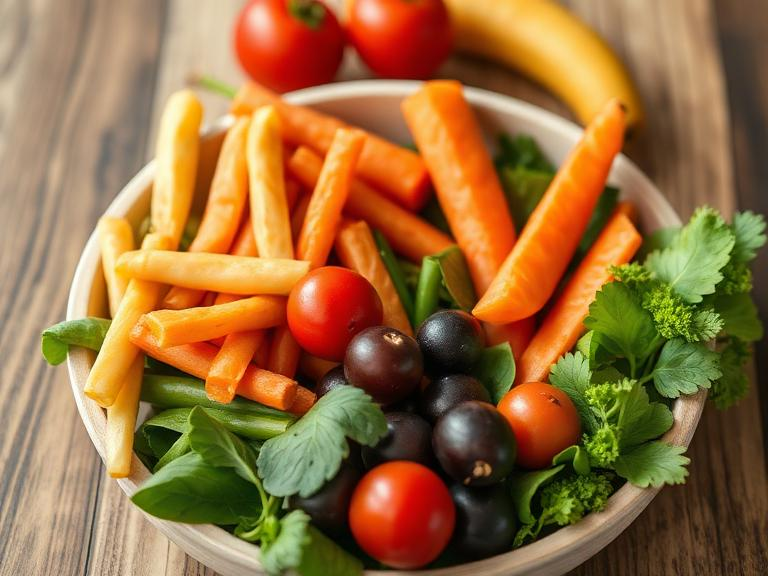
Pet parents today are more informed and caring than ever. We track steps, count calories, and read labels for ourselves—so it makes sense to do the same for our pets.
Nutrition is the foundation of lifelong wellness. A balanced diet supports immunity, muscle growth, organ function, and mental sharpness. Simply put, good food equals good health.
The Link Between Diet and Lifespan
Scientific studies consistently show that pets fed nutrient-rich diets live longer and experience fewer chronic illnesses. Proper nutrition:
- Strengthens immune defense
- Maintains healthy body weight
- Reduces inflammation
- Supports brain function in aging pets
It’s not just about years added—it’s about quality of life.
Common Health Problems Caused by Poor Diet
Low-quality pet food can contribute to:
- Obesity
- Diabetes
- Digestive disorders
- Skin and coat problems
- Joint inflammation
Many of these issues are preventable with better nutrition choices.
What Defines Truly Healthy Pet Food?
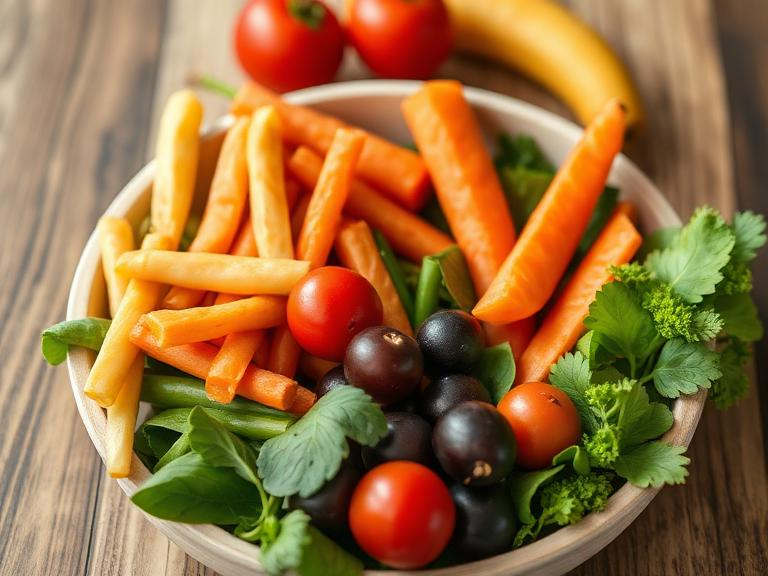
Not all pet foods labeled “natural” or “premium” are genuinely healthy. Understanding nutritional basics helps you cut through marketing hype.
Essential Nutrients Every Pet Needs
Proteins and Amino Acids
Protein builds muscles, repairs tissue, and fuels energy. High-quality animal protein sources are ideal.
Healthy Fats and Omega Fatty Acids
Fats support brain function and give pets shiny coats. Omega-3 and Omega-6 fatty acids reduce inflammation.
Vitamins and Minerals
Micronutrients help regulate body systems, from bone strength to nerve signaling.
Ingredients to Avoid in Commercial Pet Food
Watch out for:
- Artificial preservatives
- Synthetic dyes
- Meat by-products
- Excess fillers like corn and soy
- Added sugars
Clean ingredient lists are a strong green flag.
How to Read Pet Food Labels Like a Pro
Understanding labels helps you make smarter choices.
Understanding Ingredient Lists
Ingredients are listed by weight. The first three items matter most.
Decoding Guaranteed Analysis
This panel shows protein, fat, fiber, and moisture percentages.
AAFCO Nutritional Adequacy Statement
Look for certification from the Association of American Feed Control Officials, ensuring balanced nutrition.
Types of Healthy Pet Food Options
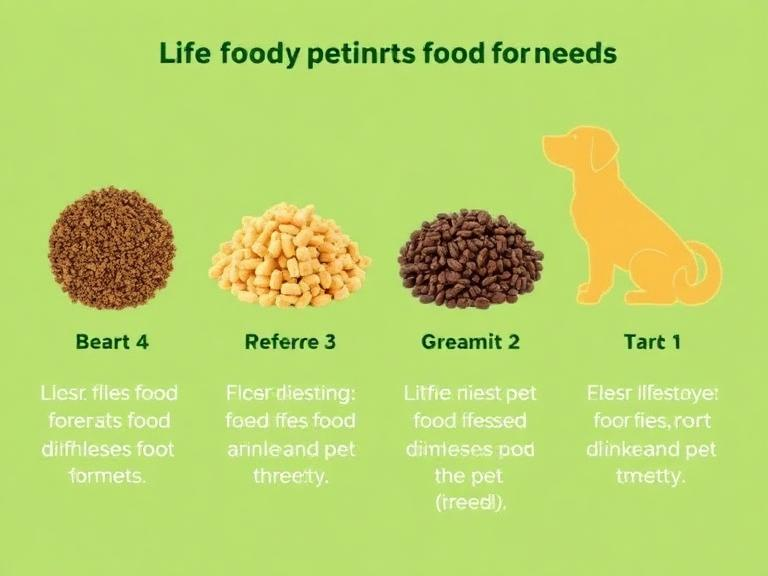
Different formats suit different lifestyles and pet needs.
Dry Kibble
- Convenient and affordable
- Long shelf life
- Supports dental health
Wet and Canned Food
- Higher moisture content
- Great for hydration
- Easier to chew
Fresh and Refrigerated Meals
- Minimally processed
- Whole-food ingredients
- Excellent taste appeal
Raw and Freeze-Dried Diets
- Closest to ancestral diets
- Nutrient-dense
- Requires careful handling
Best Healthy Pet Food Brands Recommended by Experts
Choosing trusted manufacturers makes all the difference. Here are standout options across categories.
Premium Natural Brands
- Blue Buffalo — Known for real meat formulas and no artificial additives
- Wellness Pet Company — Holistic recipes with premium proteins
- Orijen — Biologically appropriate, high-protein diets
Veterinary-Backed Science Diets
- Hill’s Pet Nutrition — Clinical nutrition backed by research
- Royal Canin — Breed-specific and condition-specific formulas
Organic and Human-Grade Options
- The Farmer’s Dog — Fresh, vet-designed personalized meals
- Castor & Pollux — USDA-certified organic recipes
You can explore nutritional standards and pet diet guidance from the American Veterinary Medical Association.
Healthy Pet Food for Different Life Stages
Pets’ nutritional needs evolve with age.
Puppies and Kittens
- Higher protein for growth
- DHA for brain development
- Frequent feeding schedule
Adult Pets
- Balanced calories
- Muscle maintenance
- Digestive support
Senior Companions
- Joint-support nutrients
- Lower calories
- Heart and kidney care
Breed-Specific and Size-Specific Nutrition
Large breeds need joint protection and controlled growth. Small breeds need calorie-dense food and smaller kibble sizes. Tailored diets reduce health risks.
Special Diets for Health Conditions
Weight Management
Low-calorie, high-fiber formulas help maintain ideal weight.
Food Allergies and Sensitive Stomachs
Limited-ingredient diets reduce reactions.
Joint, Heart, and Kidney Support
Therapeutic diets target chronic conditions with precision nutrients.
Budget vs Premium: Is Expensive Food Worth It?
Premium foods often contain:
- Better ingredient sourcing
- Higher protein quality
- Fewer fillers
- Advanced research backing
While upfront costs are higher, long-term vet bills may decrease.
Transitioning to a Healthier Pet Diet Safely
Sudden food changes upset digestion. Follow this plan:
| Day | Old Food | New Food |
|---|---|---|
| 1–2 | 75% | 25% |
| 3–4 | 50% | 50% |
| 5–6 | 25% | 75% |
| 7+ | 0% | 100% |
Homemade vs Commercial Healthy Pet Food
Homemade Pros
- Ingredient control
- Custom nutrition
Homemade Cons
- Time-consuming
- Risk of nutrient imbalance
Commercial healthy formulas offer convenience and scientific formulation.
Where to Buy Quality Pet Food
- Veterinary clinics
- Specialty pet stores
- Brand websites
- Trusted online retailers
Always verify seller authenticity.
FAQs About Healthy Pet Food Brands
1. How do I know if my pet food is truly healthy?
Look for whole ingredients, named protein sources, and AAFCO certification.
2. Are grain-free diets better for pets?
Not always. Grains can be healthy unless your pet has allergies.
3. How often should I change pet food brands?
Only when needed—frequent switching can upset digestion.
4. Can healthy food improve my pet’s coat?
Yes. Omega fatty acids promote shinier, healthier fur.
5. Is raw food safe for pets?
It can be, but it requires strict hygiene and vet guidance.
6. Do vets recommend premium brands?
Many veterinarians support science-backed and nutritionally complete diets.
Conclusion: Investing in Your Pet’s Long-Term Health
Choosing from the many healthy pet food brands on the market isn’t just a shopping decision—it’s a commitment to your pet’s future. Nutritious food fuels playful days, supports lifelong wellness, and strengthens the bond you share.
Feed them well today, and they’ll thank you with wagging tails, gentle purrs, and years of loyal companionship.
One Reply to “11 Powerful & Trusted Healthy Pet Food Brands for a Happier, Longer Pet Life”
Leave a Reply
Related Posts

Best Natural Dog Food for French Bulldogs: Vet-Approved Picks & Guide (2024)
Discover the best natural dog food for French Bulldogs. Our…

The Ultimate Guide to Choosing the Best Natural Dog Food for Your Pup
Discover the benefits of the best natural dog food for…

State Birds: The Complete Guide to US Avian Symbols (History & List)
Discover the history and meaning behind all 50 state birds.…
cover toolcover toolcover toolcover toolcover toolcover toolcover jpgcover jpgcover webpcover webpcover webpcover webpcover webpcover webpcover jpgcover jpgcover jpgcover jpgcover pngcover pngcover pngcover pngcover pngcover png