Learn practical nutrition PR tips to build healthy meals, improve diet quality, and cook nutrient‑rich foods that support lasting wellness.
What Is Nutrition PR?
When people talk about nutrition PR in the context of healthy eating, they aren’t talking about publicity or marketing. Instead, we’re focusing on practical recommendations that help you improve your nutrition performance. It’s about understanding what goes into your meals and why it matters.
Good nutrition affects everything from your energy levels and immune function to your mood and longevity. According to the Harvard School of Public Health, a balanced plate with vegetables, whole grains, lean proteins, and healthy fats is a proven way to support overall health.
How Nutrition PR Helps You Eat Better
Nutrition PR is based on simple principles:
- Choose whole foods over highly processed ones
- Focus on variety to get a broad range of nutrients
- Pay attention to portion sizes
- Include fiber, protein, and healthy fats in every meal
Following these principles helps reduce risk of nutrient deficiencies and supports stable blood sugar and long‑term health. The USDA MyPlate guidelines provide a helpful framework to build balanced meals.
Understanding Macronutrients
Protein
Protein helps build and repair tissues and keeps you full longer.
- Sources: chicken, fish, eggs, beans, lentils
Carbohydrates
Carbs are the body’s preferred energy source. Focus on whole grains and fiber‑rich options.
- Sources: brown rice, oats, quinoa, whole‑grain bread
Healthy Fats
Healthy fats support brain health and vitamin absorption.
- Sources: olive oil, nuts, seeds, avocado
Micronutrients That Matter
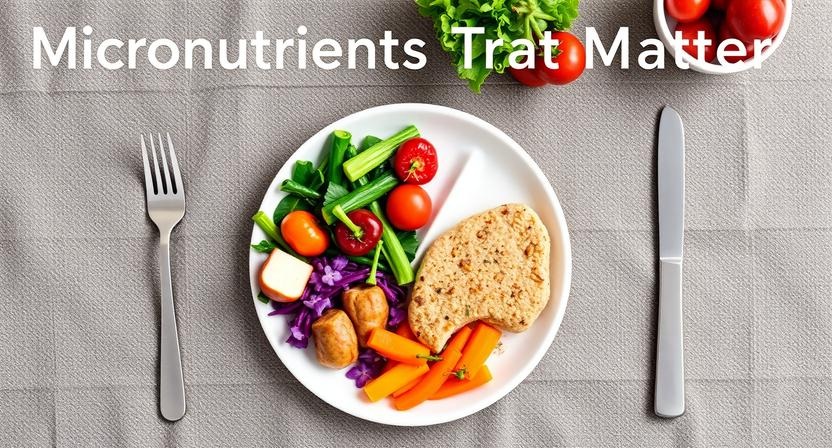
Micronutrients include vitamins and minerals your body needs in smaller amounts but with big impact. Vitamin D, calcium, iron, and potassium are key players in bone health, immunity, and muscle function.
Adding a variety of colorful produce to meals ensures you get a spectrum of micronutrients without much effort.
Creating a Balanced Plate
A helpful visual is to divide your plate into:
- Half vegetables and fruits
- One quarter lean protein
- One quarter whole grains
- A small portion of healthy fats
This strategy makes it easier to apply nutrition PR every time you eat.
Delicious Nutrition‑Focused Recipe: Power Grain Bowl
Let’s put the principles of nutrition PR into action with a simple, nutrient‑rich bowl packed with protein, fiber, and healthy fats.
Ingredients
- 1 cup cooked quinoa (whole grain)
- 1 cup mixed salad greens
- 1/2 cup roasted sweet potato cubes
- 1/2 cup chickpeas (rinsed and drained)
- 1/4 cup diced cucumber
- 1/4 cup shredded carrots
- 1/4 avocado, sliced
- 1 tbsp pumpkin seeds
- Dressing:
- 2 tbsp olive oil
- 1 tbsp lemon juice
- 1 tsp honey
- Salt and pepper to taste
Step‑by‑Step Instructions
- Cook the quinoa: Rinse 1/2 cup dry quinoa. Combine with 1 cup water in a pot. Bring to a boil, then simmer 15 minutes until fluffy.
- Roast the sweet potatoes: Preheat oven to 200 C (400 F). Toss sweet potato cubes with a little olive oil, salt, and pepper and roast 20 minutes until tender.
- Assemble the bowl: In a large bowl, layer the mixed greens, quinoa, roasted sweet potatoes, chickpeas, cucumber, and carrots.
- Add healthy fats: Top with sliced avocado and pumpkin seeds.
- Make the dressing: Whisk olive oil, lemon juice, honey, salt, and pepper, then drizzle over the bowl.
This bowl combines whole grains, plant‑based protein, fiber, and healthy fats — a perfect example of nutrition PR in action.
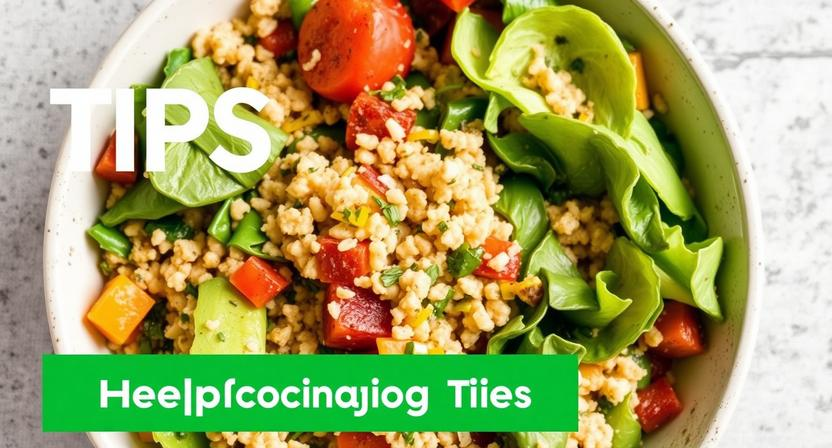
Helpful Cooking Tips
Plan Ahead
Meal prepping ingredients like quinoa, roasted vegetables, and cooked proteins can make healthy eating more convenient during a busy week.
Flavor With Herbs and Citrus
Rather than relying on salt or heavy sauces, use herbs, spices, and citrus zest to bring big flavor with minimal calories.
Choose Whole Foods
Reading food labels helps you avoid added sugars and unhealthy fats. Look for items with short ingredient lists and recognizable components.
Portion Mindfully
Using smaller plates or pre‑measuring servings can help you stick to balanced portions without feeling deprived.
Snack Ideas That Follow Nutrition PR
Healthy snacks keep energy steady and curb spikes in hunger. Try:
- Greek yogurt with berries
- Apple slices with almond butter
- Hummus with raw veggies
- Unsalted mixed nuts
These options pair protein with fiber or healthy fats for better satiety.
Common Nutrition Mistakes to Avoid
- Skipping meals and overcompensating later
- Relying heavily on packaged and processed foods
- Ignoring hydration
- Cutting out entire food groups unnecessarily
Balance is more important than perfection.
Tracking Your Progress
Keeping a simple food journal can help you notice patterns in your eating habits and see where small changes can help you meet your goals.
Food Shopping With Nutrition PR in Mind
Make a list based on produce, lean proteins, whole grains, and healthy fats before you shop. Try to fill your cart with these first, then add occasional treats in moderation.
Frequently Asked Questions
Q1: What does nutrition PR mean in simple terms?
Nutrition PR stands for practical recommendations for better nutrition. It’s about choosing nutrient‑dense foods and balancing meals to support overall health.
Q2: How can I apply nutrition PR every day?
Start by building balanced plates with vegetables, lean proteins, whole grains, and healthy fats. Planning meals, prepping ahead, and reading labels are all simple strategies to stay consistent.
Q3: Is focusing on nutrition PR better than dieting?
Rather than following restrictive diets, nutrition PR encourages long‑term habits that support sustainable health and well‑being without extreme limitations.
Related Posts

Zinc Rich Foods to Boost Immunity, Skin Health, and Overall Wellness | Essential Sources of Zinc for a Balanced Diet
Introduction: Why Zinc Deficiency is a Hidden Health Problem In…

Natural Yellow Food Coloring: A Complete Guide to Safe, Vibrant Alternatives
Discover the best sources of natural yellow food coloring, from…

15 Best Vegetarian Crockpot Recipes (Easy & Healthy Slow Cooker Meals)
If you think a vegetarian crockpot is only for meat…