Looking for creative recipes for pineapple guava fruit? Discover easy jams, smoothies, and feijoa dessert recipes to enjoy this tropical treat.
If you have ever stumbled across a small, green, egg-shaped fruit with a sweet, tropical aroma, you have likely met the pineapple guava. Also known as feijoa, this unique fruit tastes like a refreshing blend of strawberry, pineapple, and mint. However, because it is not as common as apples or bananas, many people are unsure how to use it in the kitchen. That is exactly why we put together this guide. Whether you have a bumper crop from your backyard tree or just bought some from the farmer’s market, finding the best recipes for pineapple guava fruit is the perfect way to enjoy its unique flavor.
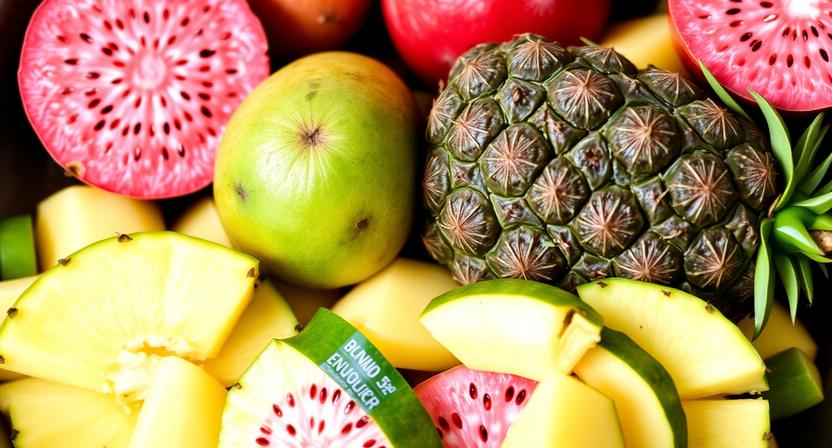
What Makes Pineapple Guava Special?
Before we dive into the cooking, it helps to know what you are working with. The pineapple guava (Acca sellowiana) has a soft, creamy interior that pairs beautifully with both sweet and savory dishes. You can eat it raw, scooped right out of the skin with a spoon, or cook it down into jams and baked goods. According to the USDA FoodData Central, this fruit is an excellent source of vitamin C and dietary fiber, making it as nutritious as it is delicious.
Top Recipes for Pineapple Guava Fruit
When it comes to cooking with this fruit, the possibilities are endless. Here are a few of the most popular ways to prepare it.
1. Simple Pineapple Guava Jam
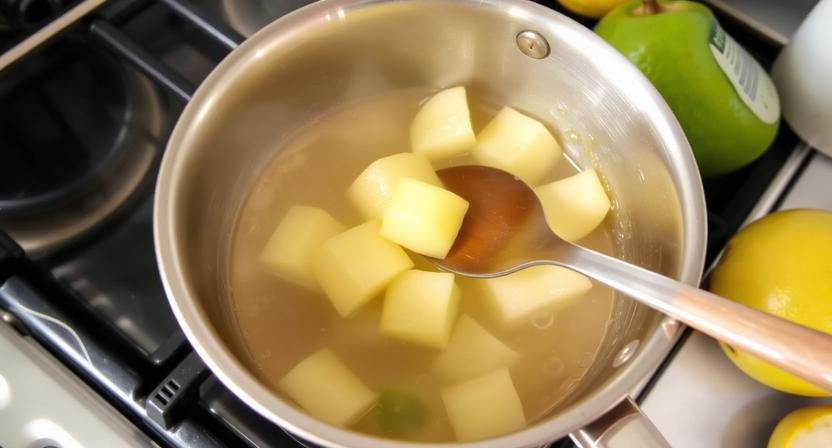
Making jam is one of the easiest recipes for pineapple guava fruit. Because the fruit naturally contains a lot of pectin, it sets up beautifully without needing store-bought additives. Simply peel and chop the fruit, simmer it with sugar and a splash of lemon juice until it thickens, and store it in sterilized jars. It makes a fantastic topping for morning toast or scones.
2. Refreshing Feijoa Smoothie
If you want a quick breakfast, blend scooped-out pineapple guava flesh with a frozen banana, a handful of spinach, and your favorite milk. The natural sweetness of the feijoa completely masks the taste of the greens, giving you a nutrient-dense smoothie in under two minutes.
3. Feijoa Dessert Recipes: Mini Tarts
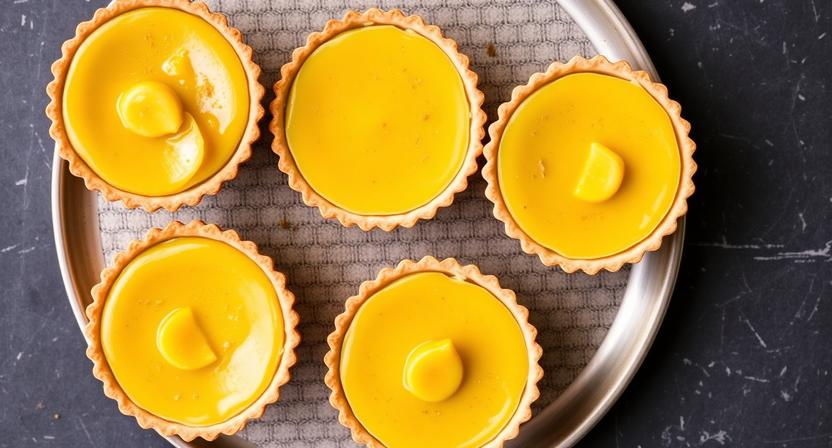
When looking into feijoa dessert recipes, mini tarts are a crowd-pleaser. Use a standard shortcrust pastry shell, fill it with a mixture of chopped pineapple guava, a bit of brown sugar, and a dash of vanilla, then bake until golden. These elegant little treats are perfect for dinner parties or holiday gatherings.
A Quick Word on Timing and Ripeness
Much like analyzing sports betting trends where odds shift based on real-time player performance, cooking with pineapple guava requires paying close attention to timing. The “odds” of your recipe turning out perfectly depend entirely on the fruit’s ripeness. If you bet on an unripe, rock-hard fruit, your dish will be bitter and astringent. The odds are always in your favor when the fruit yields slightly to the touch and falls from the tree naturally, indicating peak sweetness.
Best Tips at a Glance
| Tip | Details |
|---|---|
| Check for Ripeness | The fruit should drop from the tree or yield to gentle pressure. |
| Eat the Skin | The skin is edible, though slightly tart. Blend it into smoothies. |
| Prevent Browning | Toss chopped fruit in lemon juice if you are not cooking it immediately. |
| Freeze for Later | Scoop the pulp into freezer bags and freeze for up to 6 months. |
| Pairing Flavors | Pairs exceptionally well with ginger, mint, vanilla, and cinnamon. |
Who Can Benefit
- Home Gardeners: If you have a feijoa tree, these recipes will help you use up a massive autumn harvest.
- Health-Conscious Eaters: Those looking for low-calorie, high-fiber ingredients to naturally sweeten their meals.
- Adventurous Cooks: Food lovers who want to step outside their comfort zone and try new, exotic flavor profiles.
- Smoothie Enthusiasts: Anyone looking to add a tropical twist to their daily blended drinks.
Frequently Asked Questions
Can you eat pineapple guava skin?
Yes, the skin is completely edible. However, some people find it slightly bitter or tart. If you prefer a milder taste, simply cut the fruit in half and scoop out the soft interior with a spoon.
What does pineapple guava taste like?
It has a unique, complex flavor that tastes like a cross between a strawberry, a pineapple, and a hint of mint. The texture is similar to a ripe pear or a kiwi.
How do you know when a pineapple guava is ripe?
The best indicator is when the fruit falls off the tree on its own. If you are buying them at a store, look for fruits that feel slightly soft to the touch and have a strong, sweet floral aroma.
Can I use frozen pineapple guava for these recipes?
Absolutely. Freezing is actually one of the best ways to preserve them. Just thaw the frozen pulp overnight in the fridge before making your jam or baking your desserts.
Is pineapple guava the same as a regular guava?
No, they are entirely different plants. Regular guava (Psidium guajava) is typically yellow or pink inside and grows in tropical climates, while pineapple guava (Feijoa sellowiana) is green inside, more cold-tolerant, and has that distinct minty-pineapple flavor.
Conclusion
Finding creative ways to use seasonal produce is always rewarding, and the pineapple guava is no exception. From a quick morning smoothie to an impressive homemade jam, there are plenty of delicious recipes for pineapple guava fruit to suit every skill level. By waiting for the right ripeness and experimenting with different flavor pairings, you can turn this humble green fruit into a star ingredient.
Are you ready to start cooking? Explore more unique fruit guides and seasonal meal ideas on our blog, and be sure to share your favorite pineapple guava creations in the comments below!
Related Posts
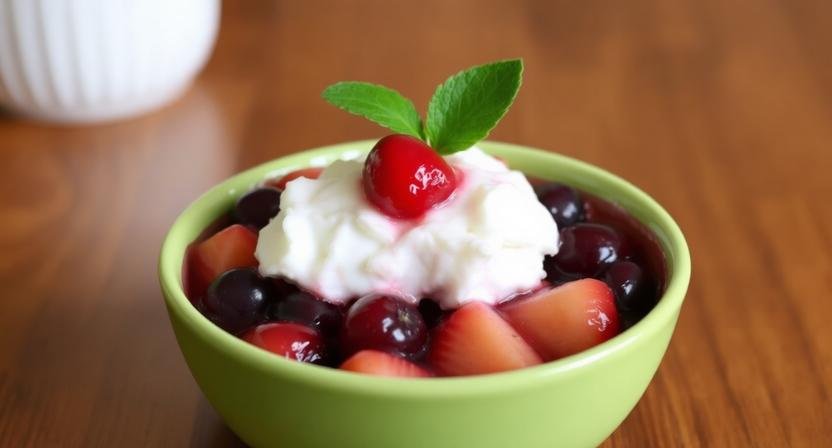
Fruit Compote Recipe: Easy 20-Minute Homemade Fruit Compote with Fresh or Frozen Fruit
Master this simple fruit compote recipe using fresh or frozen fruit, minimal sugar, and pantry staples. Ready in just 20…
Fruit Cocktail Cake Recipe: 7 Easy Steps for a Moist & Delicious Dessert
Discover the best fruit cocktail cake recipe with simple ingredients and easy steps. Learn how to make a moist, flavorful…
15 Best Carambola Star Fruit Recipes You Need to Try Today
Discover the best carambola star fruit recipes — from fresh salads to sweet jams. Easy, delicious, and beginner-friendly ideas for…