Discover the best tromboncino squash recipes! Learn how to cook this versatile heirloom summer squash with our expert tips, simple methods, and tasty meal ideas.
Introduction
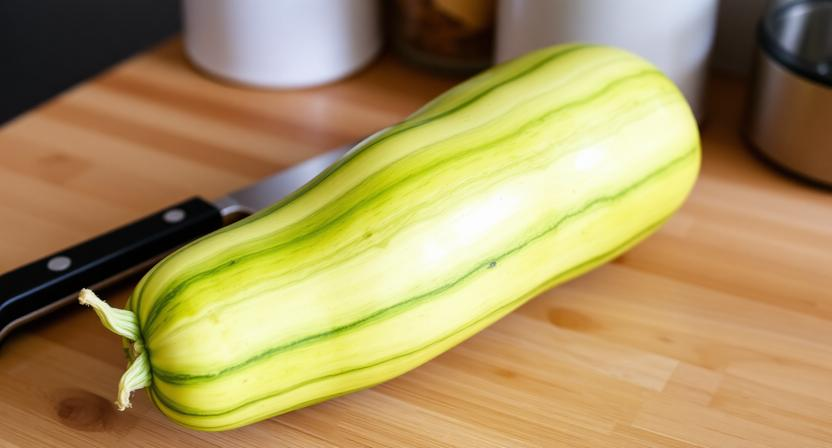
If you’ve ever walked through a summer garden and seen a long, curving vegetable that looks more like a musical instrument than dinner, you’ve likely met the Tromboncino. Often overlooked in favor of standard zucchini, tromboncino squash recipes are a hidden gem for home cooks. This Italian heirloom is prized for its firm texture, sweet nutty flavor, and the fact that it doesn’t get “mushy” like its watery cousins.
Whether you are a backyard gardener with an overflowing harvest or a farmers’ market enthusiast, knowing how to handle this unique squash is a culinary game-changer. From simple sautés to hearty roasted sides, the possibilities are endless. In this guide, we will explore why this variety is a favorite among chefs and how you can transform it into a centerpiece for your next meal.
Why You Should Try Heirloom Summer Squash Varieties
When exploring heirloom summer squash varieties, the Tromboncino (also known as Zucchetta) stands out because of its anatomy. Unlike regular zucchini, all the seeds are contained in the bulbous end. This means the long neck is solid, seedless meat, making it incredibly easy to slice into perfect rounds or cubes.
Because it is a Cucurbita moschata (the same species as Butternut squash), it has a more complex, buttery flavor than standard summer squash. It is also naturally resistant to many common garden pests, making it a sustainable and reliable choice for organic cooking.
Best Tromboncino Squash Recipes to Try at Home
1. Simple Garlic and Herb Sauté
The best way to appreciate the firm texture of this squash is a quick pan-sear. Slice the neck into thin rounds and sauté in olive oil with smashed garlic, red pepper flakes, and fresh parsley. Because it holds its shape, it develops a beautiful golden crust that regular zucchini can’t match.
2. Roasted Tromboncino “Steaks.”
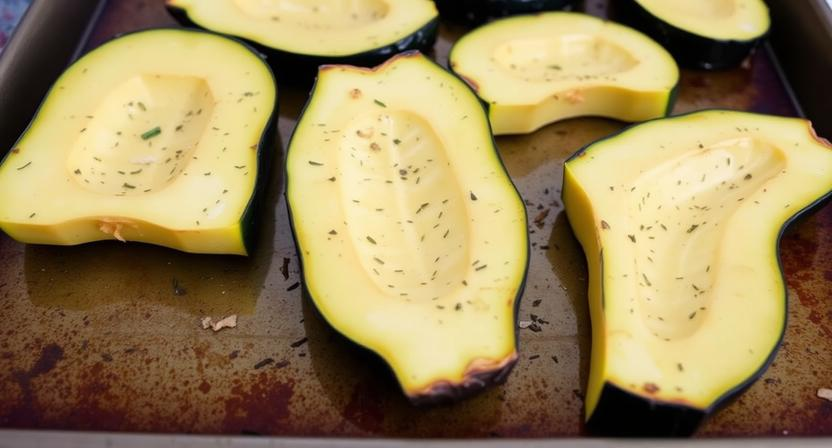
Cut the thick neck of the squash into one-inch thick slabs. Brush with melted butter or avocado oil, season with sea salt and smoked paprika, and roast at 400°F until tender. This highlights the natural sweetness found in many heirloom summer squash varieties.
3. Zucchetta Pasta Sauce
Grate the squash and slow-cook it with onions and olive oil until it breaks down into a creamy, savory jam. Toss this with linguine, a splash of pasta water, and plenty of Parmesan cheese for an authentic Italian-inspired meal.
Best Tips at a Glance
| Feature | Tip for Success |
| Harvest Size | Pick when 12–18 inches long for the best summer squash texture. |
| Peeling | The skin is thin and edible; no need to peel unless it has fully matured. |
| Storage | Store in a cool, dry place; it lasts longer than standard zucchini. |
| Seeding | Only the bottom bulb contains seeds; the neck is solid flesh. |
Who Can Benefit from Cooking Tromboncino?
- Home Gardeners: If you are tired of squash vine borers killing your zucchini, this resistant variety is your best friend.
- Meal Preppers: Since it doesn’t release as much water, tromboncino squash recipes hold up much better in the fridge for 3–4 days.
- Vegetarians & Vegans: The dense, meaty texture makes it an excellent plant-based substitute in stews and stir-fries.
FAQ Section
1. Can you eat tromboncino squash raw?
Yes! When harvested young, it is crisp and slightly sweet. It works beautifully when shaved thinly into salads or used as a base for a summer carpaccio.
2. Does it taste like zucchini?
It is similar but better. It has a milder, nuttier flavor and a much denser, less watery texture.
3. Do I need to remove the seeds?
Only in the bulbous end. The long neck is entirely seedless, which is one of the main reasons people love cooking with it.
4. Can tromboncino squash be used as winter squash?
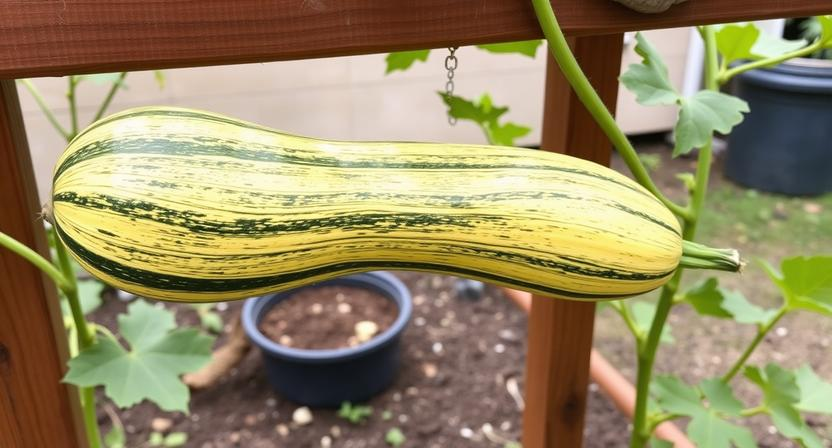
Yes. If left on the vine to mature and turn tan, the skin hardens, and it can be stored and used like a butternut squash.
5. How do I store leftovers?
Store cooked squash in an airtight container in the refrigerator for up to four days. It reheats better than most other squash varieties.
Conclusion
Mastering tromboncino squash recipes allows you to bring a touch of Italian heritage to your kitchen table. Its unique shape, pest resistance, and superior texture make it one of the most rewarding heirloom summer squash varieties to cook with. Whether you are frying, roasting, or eating it raw, this versatile vegetable is sure to become a seasonal favorite.
Ready to upgrade your garden-to-table cooking? Try one of these methods tonight and experience the difference that heirloom quality makes!
Related Posts
Easy Banana Milk Recipe: Creamy Homemade Korean-Style Drink in 5 Minutes
Learn how to make a delicious banana milk recipe at…

Ganache Techniques: Mastering Chocolate Ganache for Baking (2026 Guide)
Ganache techniques 2026: Master chocolate ganache for baking—ratios, molten lava…

Pork Cutlet Recipes: Crispy, Juicy & Easy Weeknight Dinners
If you’re searching for quick, satisfying meals that don’t compromise…