Discover everything about food warmer! Our detailed guide covers countertop, buffet, and commercial food warmers, how to use them safely, and expert tips to keep meals hot and delicious.
The Ultimate Guide to Food Warmer: Keeping Your Meals Perfectly Hot
There’s nothing more disappointing than serving a lukewarm meal. Whether you’re hosting a family gathering, running a busy restaurant, or simply trying to coordinate dinner times for a hectic household, maintaining the ideal serving temperature is crucial for food safety, texture, and flavor. This is where the humble yet indispensable food warmer becomes a kitchen hero. More than just a heating element, a quality food warmer is a tool that preserves the quality of your culinary efforts, reduces waste, and provides unparalleled convenience.
In this comprehensive guide, we will explore the world of food warmers in detail. You’ll learn about the different types available, their key features, and how to choose the perfect model for your needs—be it for home use, catering, or a commercial kitchen. We will also provide step-by-step instructions for safe operation, maintenance tips, and answer the most frequently asked questions. By the end, you’ll be equipped with the knowledge to select and use a food warmer effectively, ensuring every dish you serve is as warm and inviting as intended.
What is a Food Warmer and Why Do You Need One?
A food warmer is an appliance designed to hold cooked food at a safe, consistent serving temperature (typically above 140°F or 60°C) for extended periods without continuing to cook it. Unlike an oven or microwave that applies intense heat, a warmer uses gentle, controlled heat to maintain temperature.
The Key Benefits of Using a Food Warmer:
- Food Safety: Prevents food from entering the “Danger Zone” (40°F – 140°F), where bacteria multiply rapidly.
- Preserves Quality: Keeps food from drying out, becoming soggy, or losing its texture and flavor.
- Convenience & Flexibility: Allows you to cook in advance and serve guests or family members at different times.
- Reduces Waste: Ensures uneaten food remains at a safe temperature for later consumption.
- Ideal for Entertaining: Essential for buffet-style meals, potlucks, and holiday gatherings.
Types of Food Warmers: Finding the Right Fit
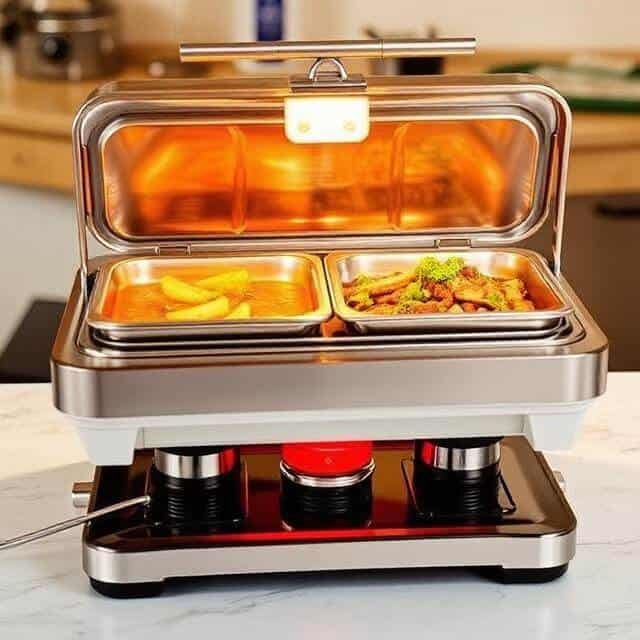
Food warmers come in various styles, each suited to different settings and volumes of food. Understanding these categories is the first step in making an informed purchase.
1. Countertop Home Food Warmers
These are compact, affordable units designed for domestic use. They are perfect for keeping a few dishes warm on the kitchen counter.
- Electric Buffet Servers: Often feature one to three stainless steel pans sitting over or in a heated base. Some have adjustable thermostats.
- Multi-Cooker/Warmers: Devices like slow cookers often have a dedicated “Warm” setting, effectively functioning as a food warmer for stews, soups, and dips.
- Plate Warmers: Designed specifically to heat dinner plates, ensuring food stays hotter for longer once served.
2. Buffet and Catering Food Warmers
Larger and more robust, these are used for serving groups at events, in cafeterias, or for catering businesses.
- Chafing Dishes: The classic buffet food warmer. They use water pans (aka bains-marie) heated by disposable fuel cans (Sterno) or electric elements. They are portable and elegant.
- Induction Warmers: Use magnetic induction technology to heat specific catering pans. They are energy-efficient and offer precise temperature control.
- Insulated Food Carriers: Also known as cambros, these are heavily insulated containers that keep food hot for hours without an external power source, ideal for transport.
3. Commercial Food Warmers
Built for durability and high volume, these are found in restaurant kitchens, delis, and fast-food establishments.
- Heated Display Cases (Merchandisers): Combine warming with visual display, often used for pizzas, rotisserie chicken, or baked goods.
- Heat Lamps (Infrared Warmers): Suspend over a station to keep plated food warm before serving. Common in diner pass-through windows.
- Drawer Warmers: These are heavy-duty warming drawers installed under counters or in cooking lines. They are versatile, holding everything from plates and rolls to full hotel pans of entrees.
- Soup Warmers / Bains-Marie: Specifically designed for liquids, these units keep soups, sauces, and gravies at a perfect consistency.
How to Choose the Best Food Warmer: A Step-by-Step Guide
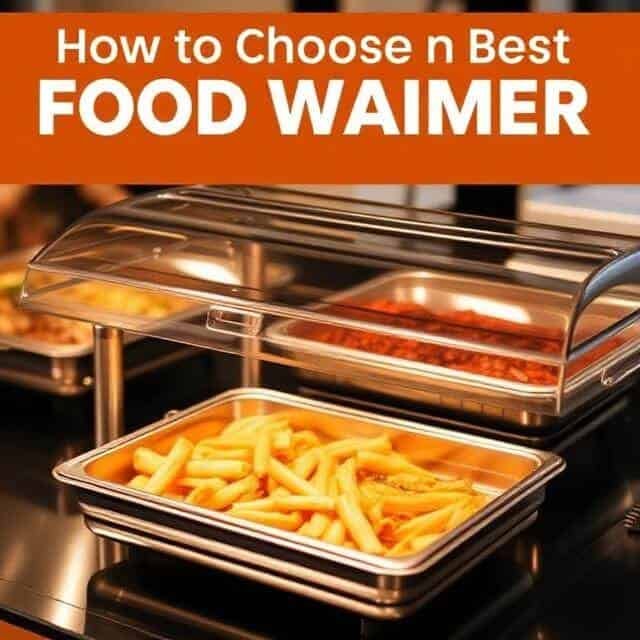
Selecting the right food warmer involves assessing your specific needs. Follow this decision-making process.
Step 1: Assess Your Primary Use Case.
- Is it for home use (weekly family dinners, occasional parties)?
- Is it for catering or large events (weddings, corporate functions)?
- Is it for commercial use (restaurant kitchen, deli counter)?
Step 2: Determine Capacity and Size.
- Volume: How much food do you need to keep warm at once? Consider the number of guests or customers.
- Pan Compatibility: For versatility, look for models that fit standard-sized pans (e.g., full-size, half-size, or quarter-size hotel pans).
- Footprint: Measure your available countertop, buffet table, or kitchen space.
Step 3: Evaluate Heat Source and Control.
- Electric: Reliable, consistent, and often adjustable. Requires an outlet.
- Fuel-Based (Sterno): Portable and elegant, but operating cost can add up, and temperature control is less precise.
- Induction: Efficient and fast, but requires compatible magnetic pans.
- Thermostat Control: A must for delicate foods. Look for models with a dial or digital temperature setting.
Step 4: Consider Key Features and Build Quality.
- Material: Stainless steel is durable, easy to clean, and professional.
- Lids: Tight-fitting lids are essential for retaining moisture and heat.
- Portability: Handles, weight, and cord storage matter if you’ll be moving it often.
- Ease of Cleaning: Removable pans, drip trays, and non-stick coatings simplify cleanup.
- Safety Features: Automatic shut-off, cool-touch handles, and stable bases are important.
Step 5: Set Your Budget.
Prices range from under $50 for a basic home unit to over $1000 for a commercial-grade drawer warmer. Balance your needs with long-term value and durability.
Expert Tips for Using Your Food Warmer Safely and Effectively
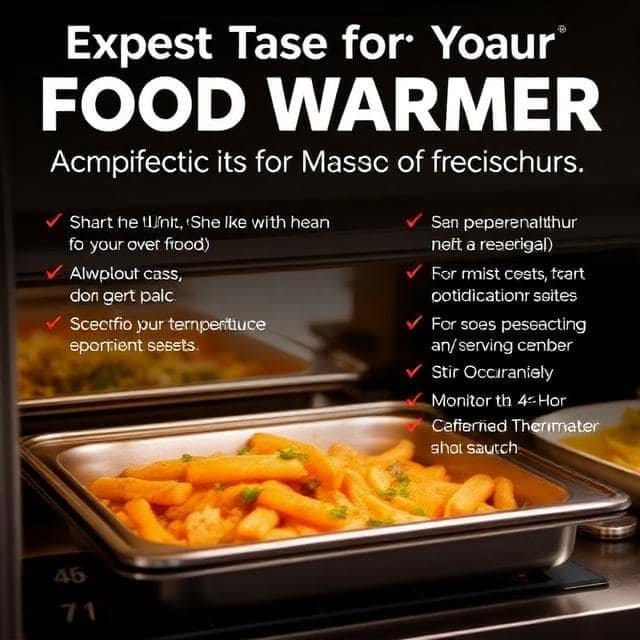
Simply plugging in your food warmer isn’t enough. Follow these professional tips to optimize performance and ensure safety.
Best Practices for Optimal Results:
- Preheat the Unit: Just like an oven, allow your food warmer to reach the target temperature before adding food. This prevents initial temperature drop.
- Start with Hot Food: Always place food that is already at or above safe serving temperature (165°F+) into the warmer. A warmer maintains heat; it does not efficiently reheat cold food.
- Use Appropriate Settings: For moist foods (stews, sauces), use a lower setting with a lid to prevent reduction. For crispy foods (fried chicken, fries), use a dry setting or a warmer with ventilation to avoid sogginess.
- Stir Occasionally: For foods in deep pans, stir gently every 30-60 minutes to distribute heat evenly and prevent a cold spot in the center.
- Monitor with a Food Thermometer: Periodically check the internal temperature of the food to ensure it stays above 140°F.
Critical Food Safety Guidelines:
- Respect the 4-Hour Rule: Do not hold food in a warmer for more than 4 hours total from the time it was cooked. Discard any food that has been in the “Danger Zone” for longer.
- Avoid Cross-Contamination: Use separate serving utensils for each dish and never add fresh food on top of old food.
- Keep It Covered: Lids not only retain heat but also protect food from contaminants.
- Maintain Proper Water Level: In chafing dishes, ensure the water pan doesn’t run dry, as this can damage the unit and cause uneven heating.
Cleaning and Maintenance:
- Daily Cleaning: Always unplug and let the unit cool. Wash removable pans, lids, and drip trays with warm, soapy water.
- Wipe Down Exteriors: Clean the heating base or exterior with a damp cloth and mild cleaner. Avoid submerging electrical components.
- Descaling: For units with water reservoirs, use a vinegar solution periodically to remove mineral buildup.
- Inspect Regularly: Check cords for damage and ensure heating elements are functioning correctly.
Conclusion
A food warmer is far more than a convenience appliance; it is an essential tool for anyone serious about food quality, safety, and presentation. From the simplicity of a home countertop model that saves family dinners to the robust commercial warmers that power a restaurant’s service, the right warmer solves the universal problem of timing and temperature.
By understanding the different types, carefully selecting a model based on your specific needs, and following best practices for operation and safety, you can elevate your dining experience—whether for two or two hundred. Investing in a good food warmer is an investment in peace of mind, ensuring that the delicious, hot meal you prepared is enjoyed exactly as you intended.
Frequently Asked Questions (FAQs) About Food Warmers
Q: What’s the difference between a food warmer and a slow cooker?
A: A slow cooker is designed to cook food slowly over many hours. A food warmer is designed to maintain the temperature of already-cooked food without further cooking it. Many slow cookers have a “Warm” setting that functions as a basic food warmer.
Q: Can I use a food warmer to actually cook food?
A: No. Food warmers are not intended for cooking raw food. They do not reach or maintain temperatures high enough to cook food safely. Always cook food thoroughly before placing it in a warmer.
Q: How long can I safely keep food in a warmer?
A: For food safety, do not hold food in a warmer for more than 4 hours. Use a food thermometer to ensure the internal temperature stays at or above 140°F (60°C) during that entire time.
Q: Are electric or fuel-based (Sterno) chafing dishes better?
A: Electric food warmers offer more consistent, adjustable heat and lower long-term cost. Sterno chafing dishes are highly portable and don’t require an outlet, making them ideal for remote buffet lines or outdoor events.
Q: Can I keep food warm all day for a party?
A: It is not recommended. Adhere to the 4-hour safety rule. For all-day events, consider cooking and warming food in smaller, successive batches.
Q: What type of food warmer is best for keeping fried food crispy?
A: Look for warmers with open vents, wire racks (to elevate food from condensation), or specifically advertised “crispy food” settings. Avoid enclosed moist-heat environments.
Related Posts

What Is the Best Last Meal to Eat Before C-Section? (7 Smart Choices Doctors Recommend)
Wondering what is the best last meal to eat before…

Wine Bottle Refrigerator: The Complete Guide to Proper Wine Storage at Home
Introduction (Problem + Solution) Storing wine correctly is one of…
Weight Loss with Natural Foods: The Ultimate Guide to Sustainable Success
Unlock the secrets of weight loss with natural foods and…