Master the art of the perfect roux with our expert-led creamy pasta sauce recipe. Learn the precise temperature controls and whisking techniques to create a rich, smooth white sauce without lumps. Includes professional troubleshooting tips for the ultimate homemade Italian meal.
Creamy Pasta Sauce Recipe (Easy & Smooth)
A perfect creamy pasta sauce can transform simple pasta into a rich, restaurant-quality meal. This homemade creamy pasta sauce is smooth, flavorful, and easy to make with simple pantry ingredients. Once you learn this method, you’ll never need store-bought white sauce again.
Why This Creamy Pasta Sauce Works
This creamy pasta sauce has the perfect balance of:
- Richness from butter and cream
- Thickness from a proper roux
- Smooth texture from controlled heat
If the sauce is too thin, it won’t coat the pasta.
If it’s too thick, it becomes heavy.
If overheated, it can turn grainy.
Mastering heat control is the secret.
Ingredients for Creamy Pasta Sauce
- 2 tablespoons unsalted butter
- 2 tablespoons all-purpose flour
- 2 cups whole milk (room temperature)
- ½ cup heavy cream
- ½ cup freshly grated Parmesan or mozzarella
- 2 garlic cloves, minced
- ½ teaspoon dried oregano
- Salt and black pepper to taste
Step-by-Step Creamy Pasta Sauce Method
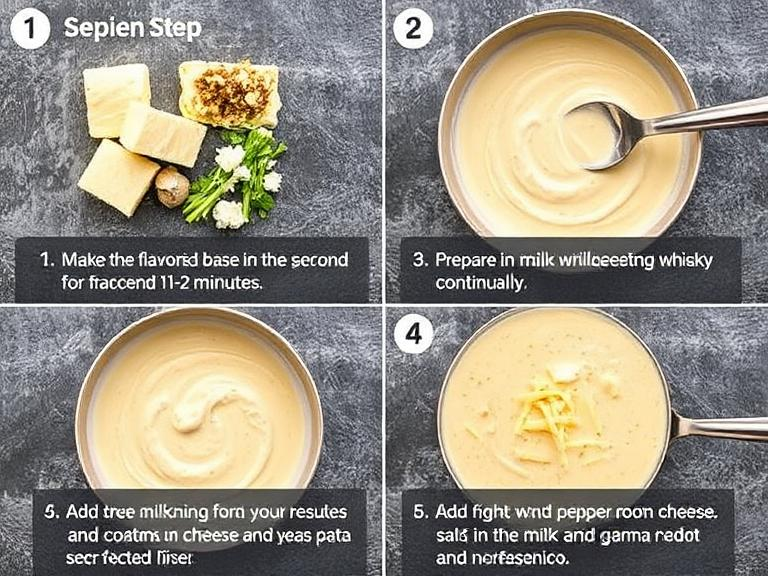
1. Make the Flavor Base
Melt butter in a pan over medium heat. Add garlic and sauté for 30 seconds until fragrant.
2. Prepare the Roux for Thickening
Add flour and whisk continuously for 1–2 minutes. This removes the raw flour taste and forms a smooth base.
3. Slowly Add Milk
Gradually pour in milk while whisking constantly. This prevents lumps and keeps your creamy pasta sauce smooth.
Continue whisking until it thickens and coats the back of a spoon.
4. Add Cream and Cheese
Lower the heat. Stir in heavy cream and grated cheese.
Keep the heat low to prevent the creamy pasta sauce from separating.
5. Season and Adjust Consistency
Add salt, pepper, and oregano.
- Too thick? Add warm milk or pasta water.
- Too thin? Simmer gently for 1–2 more minutes.
How to Combine Creamy Pasta Sauce with Pasta
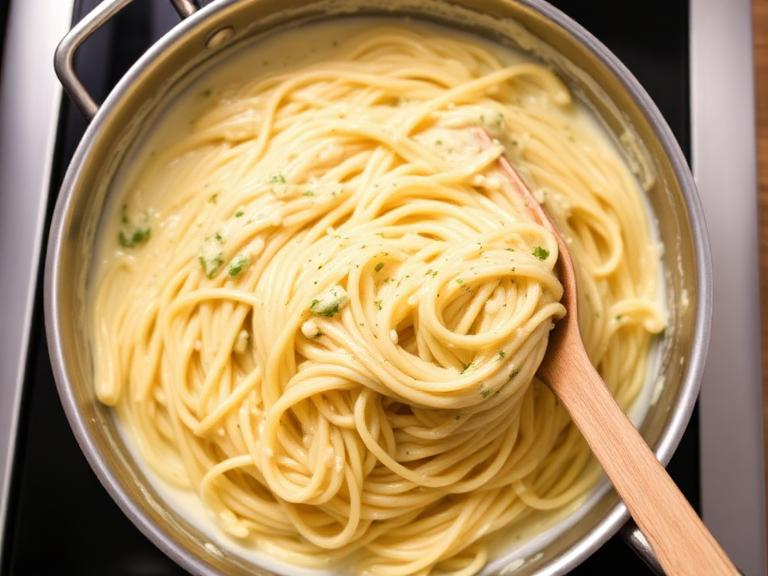
Add cooked pasta directly to the pan and toss until evenly coated.
For best results, reserve pasta water before draining. The starch helps the creamy pasta sauce cling beautifully.
If you’re making pasta from scratch, check out our internal guide on How to Cook Pasta Perfectly (Internal Link Placeholder).
Flavor Variations for Creamy Pasta Sauce
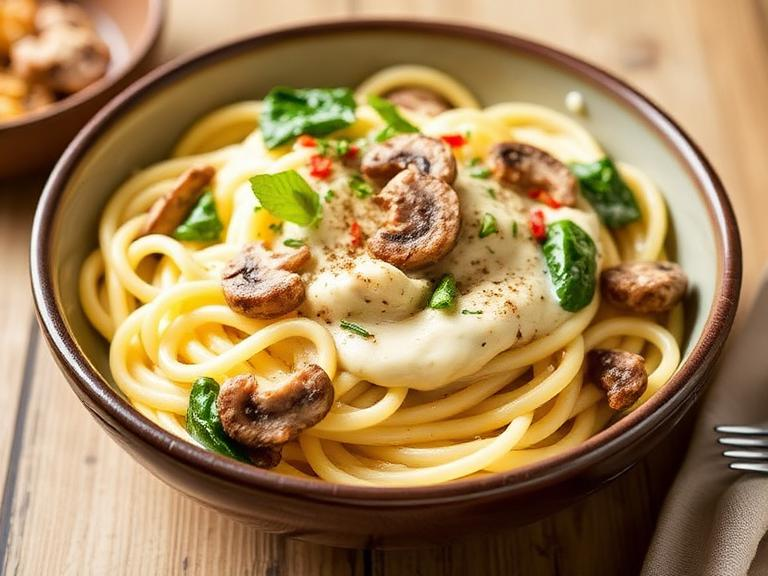
Once you master this base, try adding:
- Grilled chicken
- Sautéed mushrooms
- Spinach
- Chili flakes
- Roasted garlic
This sauce is inspired by traditional white sauces used in Italian dishes, where creamy pasta dishes are a staple.
For more on classic Italian pasta techniques, you can read about traditional sauce foundations on GialloZafferano.
Common Mistakes to Avoid
- Using high heat
- Adding milk too quickly
- Not whisking continuously
- Using pre-shredded cheese
- Overcooking after the cheese melts
Storage Tips
Store leftover creamy pasta sauce in an airtight container in the refrigerator for up to 2 days.
Reheat gently over low heat and add a splash of milk to restore smoothness.
FAQs
Q1: Why is my creamy pasta sauce grainy instead of smooth?
Ans: Graininess usually occurs when the cheese is added to a sauce that is boiling. High heat causes the proteins in the cheese to clump (coagulate) and separate from the fats. Expert Tip: Always remove the pan from the heat or turn it to the lowest setting before stirring in your cheese for a silky finish.
Q2: What is the scientific benefit of using pasta water in the sauce?
Ans: Pasta water contains released starches from the noodles. When added to your creamy pasta sauce, these starches act as an emulsifier, helping the fats (butter/cream) and liquids (milk) bond together. This ensures the sauce clings to the pasta rather than sliding off to the bottom of the bowl.
Q3: Can I freeze this white sauce for later use? Ans:
As an authoritative guide, we recommend avoiding the freezer for dairy-based sauces. The freezing and thawing process often causes the emulsion to “break,” resulting in a watery, separated texture. For the best culinary experience, store in the fridge for no more than 48 hours and reheat slowly with a splash of milk.
Conclusion: Mastering the Fundamentals of White Sauce
Creating a high-quality creamy pasta sauce is more than just mixing ingredients; it is about understanding the chemistry of a roux and the importance of temperature control. By following these professional steps—gradually adding your liquids and maintaining low heat for the dairy—you ensure a restaurant-standard result every time.
Whether you are pairing this with a simple penne or a sophisticated grilled salmon, this smooth white sauce serves as a versatile foundation for your culinary creativity. Stop relying on pre-made jars and take control of your kitchen with this essential homemade technique.

Related Posts

What Is the Best Last Meal to Eat Before C-Section? (7 Smart Choices Doctors Recommend)
Wondering what is the best last meal to eat before c-section? Learn what to eat, what to avoid, timing tips,…

Soup Recipes for Summer: Light, Refreshing, and Healthy Ideas
Discover the best soup recipes for summer that are light, refreshing, and healthy. Perfect cold and warm soups to keep…

Indian Barbecue Recipes: Bold, Smoky & Flavor-Packed Vegetarian Grilling Ideas
Discover mouthwatering Indian barbecue recipes for vegetarians. From paneer tikka to vibrant veggie kebabs, these easy-to-make dishes bring smoky, spicy…