Discover healthy meal prep ideas, simple recipes, and nutrition tips to save time, boost energy, and eat clean all week long with these beginner-friendly strategies.
Whether you’re juggling a demanding career, managing a busy household, or simply trying to eat better without the daily stress of “what’s for dinner,” healthy meal prep ideas can transform your relationship with food. Instead of reaching for takeout or throwing together whatever’s in the fridge at the last minute, imagine opening your refrigerator to find perfectly portioned, nutritious meals ready to heat and enjoy. That’s the power of meal prepping—and it’s easier than you think.
The beauty of healthy meal prep ideas lies in their flexibility and sustainability. You’re not committing to eating the same bland chicken and broccoli for seven days straight. Instead, you’re creating a system that saves time, reduces food waste, cuts grocery costs, and ensures you always have wholesome options at your fingertips. Whether you’re focused on weight loss, muscle building, or simply feeling more energized throughout your day, strategic meal planning sets you up for success without requiring hours in the kitchen.
Why Healthy Meal Prep Ideas Transform Your Week
Meal prepping isn’t just a trend—it’s a lifestyle strategy that addresses the biggest obstacle to healthy eating: convenience. When nutritious food is readily available, you’re far less likely to make impulsive, less healthy choices.
Research shows that people who meal prep consume more vegetables, maintain better portion control, and spend significantly less money on food compared to those who don’t plan ahead. A study published in the International Journal of Behavioral Nutrition and Physical Activity found that meal planning was associated with healthier diets and less obesity.
Beyond the health benefits, meal prepping offers practical advantages that impact your daily life. You’ll reduce decision fatigue by eliminating the daily “what should I eat?” question. You’ll save money by buying ingredients in bulk and reducing food waste. Most importantly, you’ll reclaim hours each week previously spent cooking individual meals or waiting in drive-through lines.
The key to sustainable meal prep is finding an approach that fits your schedule, cooking skills, and taste preferences. Some people prefer batch cooking complete meals, while others prep ingredients to mix and match throughout the week. Both strategies work—it’s about discovering what feels manageable and enjoyable for you.
Getting Started: Essential Meal Prep Tools and Containers
Before diving into recipes, having the right equipment makes meal prepping significantly easier and more efficient.
Quality Storage Containers: Invest in glass or BPA-free plastic containers with secure lids. Glass containers are microwave and oven-safe, don’t absorb odors, and last for years. Look for various sizes to accommodate different portion sizes and meal types.
Baking Sheets and Roasting Pans: Sheet pan meals are meal prep gold. Large rimmed baking sheets allow you to roast multiple ingredients simultaneously, maximizing oven efficiency.
Sharp Knives and Cutting Boards: Proper knife skills and quality cutting boards speed up vegetable prep considerably. Consider having separate boards for produce and proteins.
Slow Cooker or Instant Pot: These appliances are game-changers for hands-off meal prep. Set it and forget it while you handle other tasks.
Measuring Tools: Proper portions ensure consistent nutrition. Keep measuring cups, spoons, and a kitchen scale handy.
Mason Jars: Perfect for overnight oats, layered salads, smoothie prep, and homemade dressings.
Sunday Meal Prep Blueprint: A Step-by-Step Guide
Most successful meal preppers dedicate 2-3 hours one day per week to prepare their food. Here’s a proven system:
Step 1: Plan Your Menu (30 minutes)
Choose 2-3 breakfast options, 2-3 lunch options, and 2-3 dinner options for the week. Write a detailed grocery list organized by store sections. Check your pantry first to avoid buying duplicates.
Step 2: Strategic Grocery Shopping (45-60 minutes)
Shop your list and stick to the perimeter of the store where fresh produce, proteins, and dairy live. Buy pre-cut vegetables if time is more valuable than money to you.
Step 3: Prep Produce First (30 minutes)
Wash, dry, chop, and store all vegetables and fruits. This makes cooking throughout the week effortless. Store leafy greens with paper towels to absorb moisture and extend freshness.
Step 4: Cook Proteins in Bulk (30-45 minutes)
Bake chicken breasts, grill salmon, cook ground turkey, or prepare tofu all at once. Season simply so they’re versatile for different meals throughout the week.
Step 5: Prepare Grains and Legumes (20-30 minutes)
Cook brown rice, quinoa, pasta, or beans in large batches. These form the foundation of countless meals and store well for 4-5 days.
Step 6: Assemble and Store (20 minutes)
Portion everything into containers. Keep components separate if textures matter (like keeping dressing separate from salads) or combine fully cooked meals.
Breakfast Meal Prep Ideas That Start Your Day Right
Overnight Oats Variety Pack
Prepare five jars with different flavor combinations: banana nut (mashed banana, walnuts, cinnamon), berry almond (mixed berries, sliced almonds), apple cinnamon (diced apple, cinnamon, raisins), chocolate peanut butter (cocoa powder, PB2, banana), and tropical (mango, coconut, chia seeds). Each jar contains 1/2 cup oats, 1/2 cup Greek yogurt, 1/2 cup milk, and your chosen mix-ins. Grab and go each morning for a protein-packed, fiber-rich breakfast.
Egg Muffin Cups
Whisk 12 eggs with a splash of milk, salt, and pepper. Divide among a greased muffin tin and add different vegetable and cheese combinations to each cup: spinach and feta, bell pepper and cheddar, tomato and mozzarella, broccoli and Swiss. Bake at 350°F for 20-25 minutes. Store in the fridge and microwave 2-3 muffins for a protein-rich breakfast in under a minute.
Make-Ahead Smoothie Bags
Portion smoothie ingredients into freezer bags: spinach, frozen berries, banana slices, and protein powder. In the morning, dump the bag contents into your blender, add liquid (milk, yogurt, or juice), and blend. This cuts morning prep time to under two minutes while ensuring you get fruits and vegetables first thing.
Lunch Meal Prep Ideas for Work Success
Mason Jar Power Salads
Layer ingredients in quart-sized mason jars in this order: dressing on bottom, hard vegetables (cucumbers, carrots, bell peppers), proteins (grilled chicken, chickpeas, hard-boiled eggs), softer vegetables (tomatoes, avocado), grains (quinoa, farro), and leafy greens on top. When ready to eat, shake and pour into a bowl. The layering keeps everything fresh and crisp for up to five days.
Buddha Bowl Variations
Prepare grain bases (brown rice, quinoa, or farro), roasted vegetable medleys, and proteins separately. Each day, combine components differently with various sauces: Mediterranean bowl with hummus, Asian-inspired bowl with peanut sauce, Mexican bowl with salsa and Greek yogurt, or Italian bowl with balsamic vinaigrette. This prevents meal prep boredom while maintaining nutritional balance.
Soup and Stew Containers
Batch cook hearty soups like lentil vegetable, chicken and wild rice, or turkey chili. Portion into individual containers with whole grain bread or crackers on the side. Soups often taste even better after flavors meld for a few days, making them ideal meal prep candidates.
Dinner Meal Prep Ideas for Busy Evenings
Sheet Pan Chicken and Vegetables
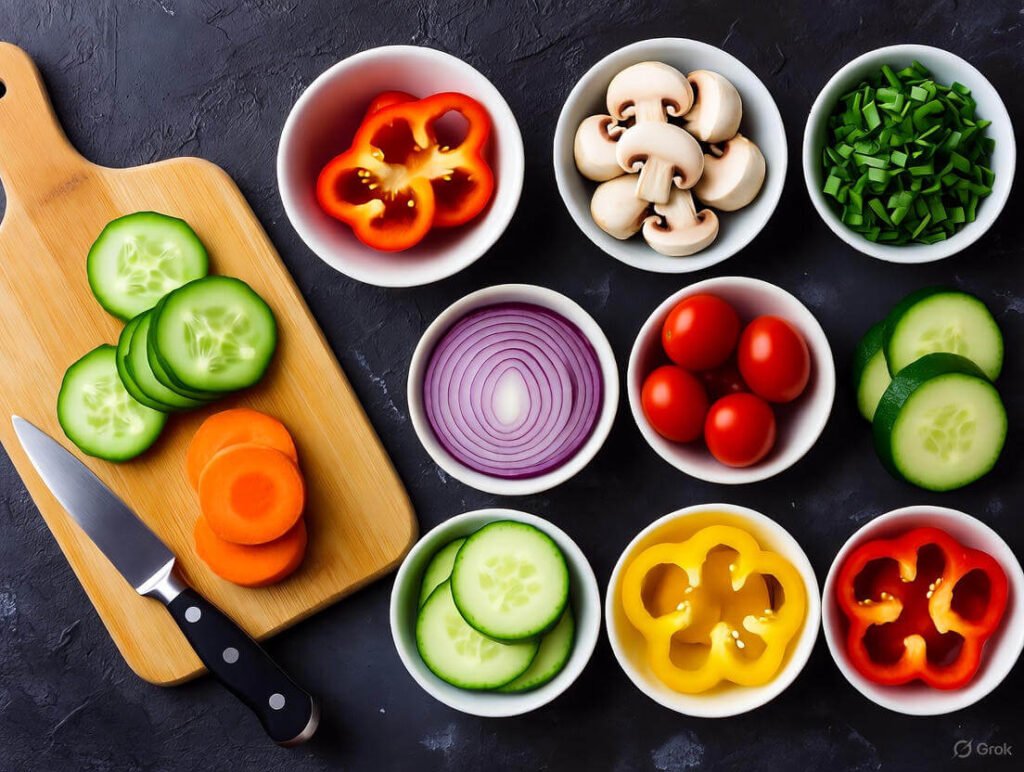
Season chicken breasts or thighs with herbs and olive oil. Surround with chopped vegetables like broccoli, bell peppers, zucchini, and cherry tomatoes. Roast everything together at 400°F for 25-30 minutes. Serve over quinoa or brown rice. This simple technique yields four complete dinners with minimal cleanup.
Turkey Taco Bowl Prep
Brown ground turkey with taco seasoning. Prepare black beans, corn, diced tomatoes, shredded lettuce, and cheese. Store components separately and assemble bowls throughout the week. Serve over rice, in tortillas, or over lettuce for a lighter option.
Stir-Fry Component Prep
Slice chicken, beef, or tofu into strips. Chop stir-fry vegetables (broccoli, snap peas, carrots, bell peppers). Make a big batch of stir-fry sauce (soy sauce, ginger, garlic, sesame oil, cornstarch). On busy evenings, quickly cook your protein and vegetables, add sauce, and serve over pre-cooked rice or noodles. Dinner ready in 10 minutes.
Baked Salmon with Roasted Vegetables
Season salmon fillets with lemon, dill, and garlic. Roast alongside asparagus, Brussels sprouts, or green beans. Prepare a side of wild rice or quinoa. This elegant meal prep option feels restaurant-quality but requires minimal effort.
Healthy Snack Prep Ideas to Curb Cravings
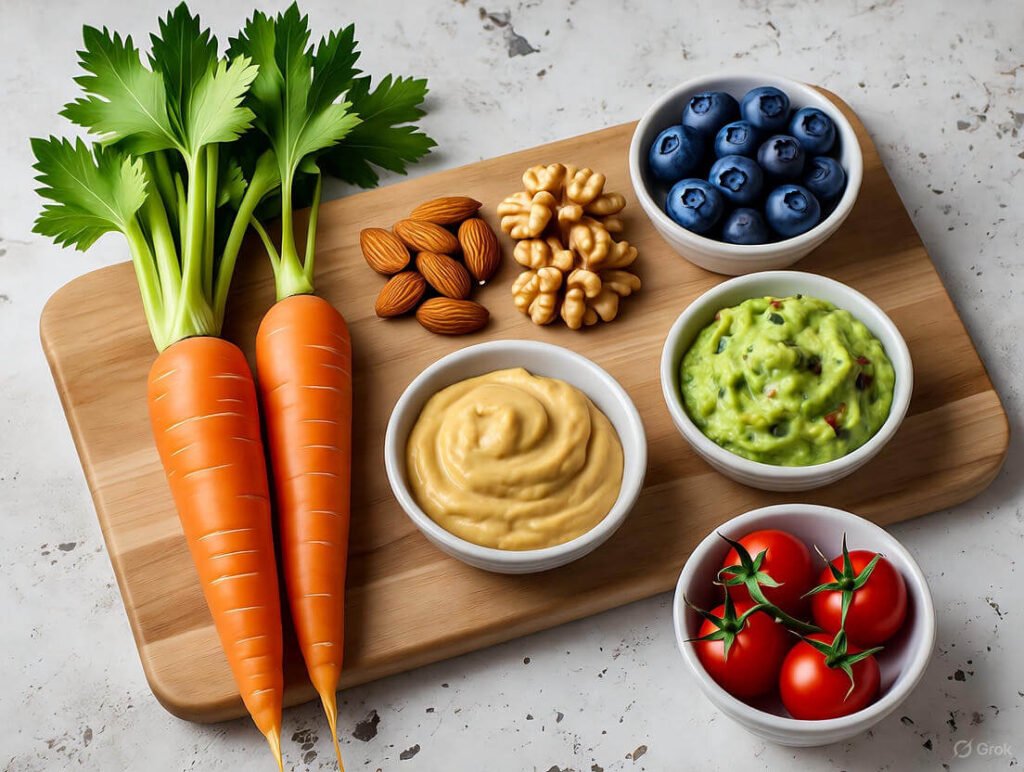
Strategic snack prep prevents the mid-afternoon vending machine run or late-night pantry raid.
Veggie Packs with Hummus: Portion carrot sticks, celery, bell pepper strips, and cucumber slices into containers with 2-tablespoon servings of hummus.
Energy Balls: Blend dates, nuts, oats, and cocoa powder. Roll into balls and refrigerate. These satisfy sweet cravings with natural ingredients and provide sustained energy.
Greek Yogurt Parfait Jars: Layer Greek yogurt with berries, granola, and a drizzle of honey. The protein keeps you satisfied between meals.
Hard-Boiled Egg Snack Packs: Boil a dozen eggs and pair with fruit or whole grain crackers for a protein-rich snack.
Trail Mix Portions: Create your own blend of nuts, seeds, and dried fruit. Pre-portion into small bags to control serving sizes.
Common Meal Prep Mistakes and How to Avoid Them
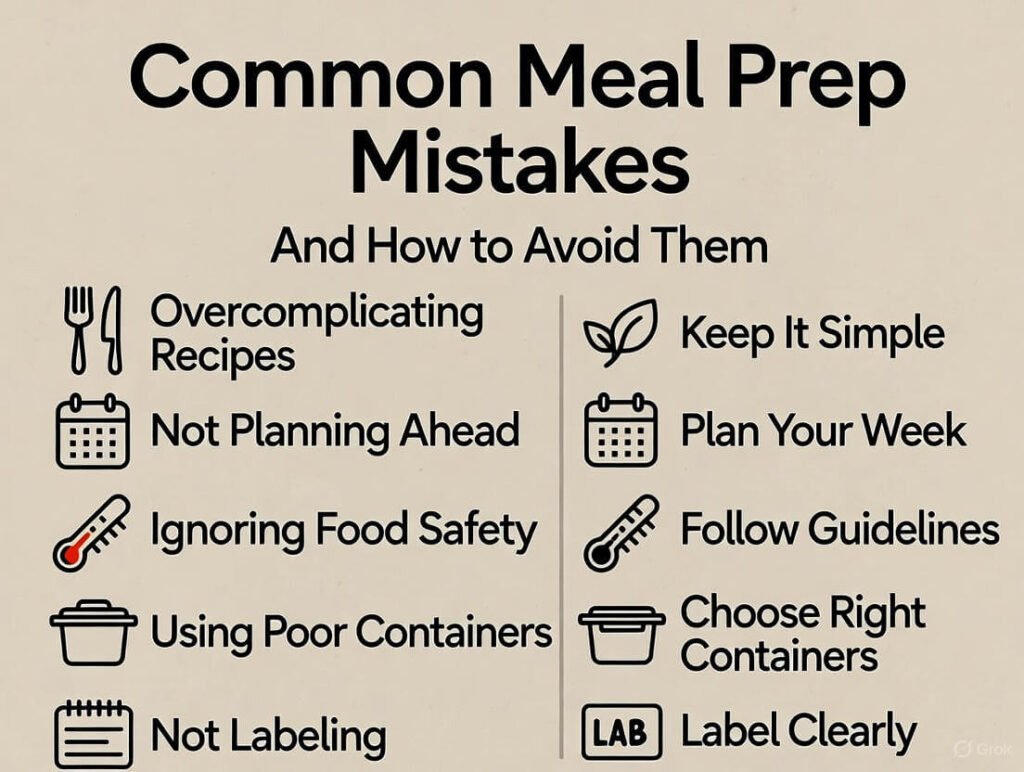
Even with the best intentions, some approaches can derail your meal prep success.
Mistake #1: Prepping Too Much Food
Start with 3-4 days of meals rather than a full week. Food stays fresher, and you’re less likely to burn out. You can always prep twice weekly if needed.
Mistake #2: Choosing Complicated Recipes
Meal prep isn’t the time for elaborate recipes with 15 ingredients. Simple, flavorful preparations work best and are more likely to become sustainable habits.
Mistake #3: Not Varying Your Meals
Eating identical meals seven days straight leads to burnout. Prepare versatile components that can be combined in different ways throughout the week.
Mistake #4: Ignoring Food Safety
Cool food completely before refrigerating. Store at 40°F or below. Most cooked foods last 3-4 days in the refrigerator. When in doubt, freeze portions for later in the week.
Mistake #5: Forgetting Flavor
Don’t skip herbs, spices, and sauces. Keep prepared sauces and dressings on hand to add variety without extra cooking time.
Meal Prep for Different Dietary Goals
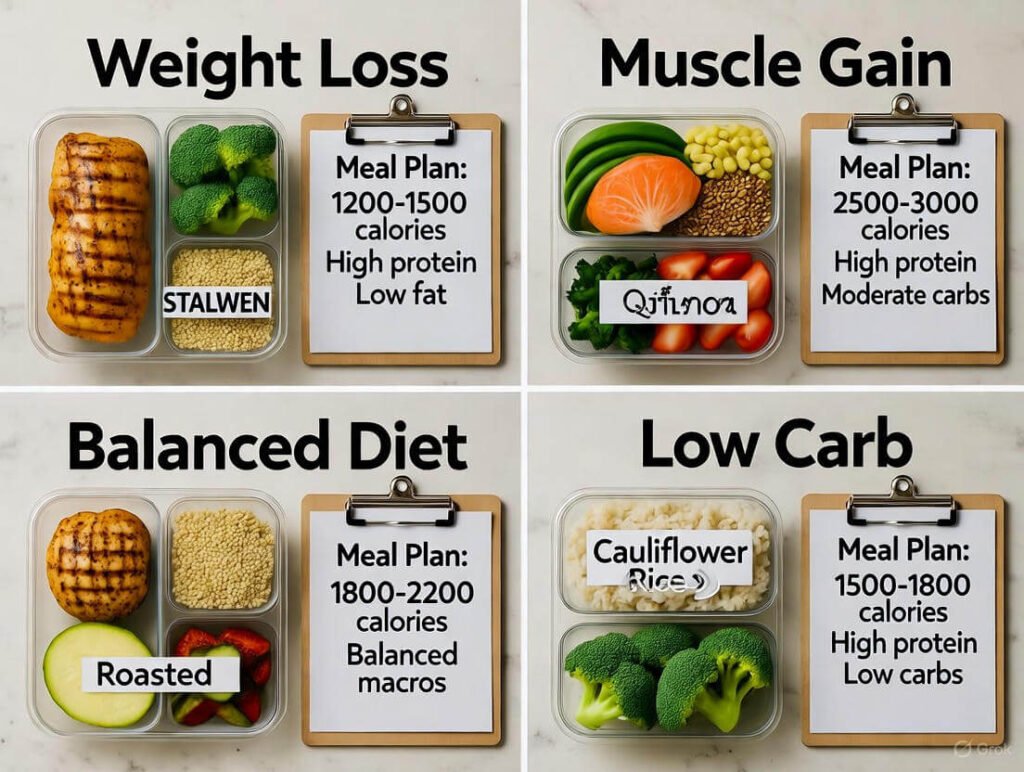
Weight Loss Meal Prep
Focus on high-volume, low-calorie foods like vegetables and lean proteins. Measure portions carefully and include healthy fats in moderation. Pre-portioning prevents overeating while ensuring you get adequate nutrition.
Muscle Building Meal Prep
Prioritize protein at every meal (20-30 grams per meal). Include complex carbohydrates for energy and healthy fats for hormone production. Larger portion sizes support increased caloric needs for muscle growth.
Family Meal Prep
Prepare component-style meals where family members can customize. Taco bars, grain bowls, and DIY pizzas on whole wheat crust allow everyone to build meals they’ll enjoy while you handle one prep session.
Budget-Friendly Meal Prep
Base meals around affordable proteins like eggs, beans, lentils, and chicken thighs. Buy produce seasonally when prices are lowest. Batch cooking grains and legumes stretches your dollar significantly.
Your 7-Day Meal Prep Success Plan
Ready to start? Here’s your first week mapped out:
Breakfast: Overnight oats (3 varieties), egg muffins, smoothie packs
Lunch: Mason jar salads, buddha bowls with different toppings
Dinner: Sheet pan chicken, turkey taco bowls, baked salmon, stir-fry
Snacks: Veggie packs, energy balls, hard-boiled eggs
This variety prevents boredom while keeping prep time under three hours on Sunday.
Conclusion: Making Healthy Meal Prep Ideas Work for You
Healthy meal prep ideas aren’t about perfection—they’re about progress. Start small with just lunches or dinners, then expand as you get comfortable with the process. The goal is creating a sustainable system that supports your health goals without overwhelming your schedule.
Remember that meal prepping is a skill that improves with practice. Your first few sessions might feel awkward or time-consuming, but within a month, you’ll develop efficient routines and discover your favorite go-to meals. The time invested on Sunday pays dividends throughout your week in better nutrition, reduced stress, and more free time during busy weekday evenings.
Choose one healthy meal prep idea from this guide and try it this week. Whether it’s overnight oats for easier mornings or sheet pan dinners for stress-free evenings, taking that first step will show you just how manageable and rewarding meal prep can be. Your future self—the one enjoying a delicious, nutritious home-cooked meal while everyone else scrambles—will thank you.
Related Posts

Healthy Snacks: Your Guide to Nutritious, Delicious, and Guilt-Free Munching
Introduction: The Snack Struggle We All Face It’s 4 p.m.,…
25+Oat Recipes: Discover the Surprising Versatility of Oats Beyond Breakfast
Unlock the full potential of your pantry with our ultimate…

Best Foods for Weight Loss: Eat Smart, Stay Fit
Introduction: The Problem with Weight Loss Diets Millions of people…