Discover high protein vegetarian meals, easy recipes, and plant-based protein sources to build muscle, stay energized, and enjoy delicious meatless dishes every day.
Whether you’re an athlete looking to build muscle, a busy professional seeking sustained energy, or simply exploring plant-based eating, high protein vegetarian meals offer the perfect solution. Many people worry that removing meat from their diet means sacrificing protein, but the truth is quite the opposite. With the right ingredients and meal planning, you can easily meet and exceed your daily protein needs while enjoying flavorful, satisfying dishes that support your health goals.
The beauty of high protein vegetarian meals lies in their versatility and nutritional density. From protein-packed breakfast bowls to hearty dinner options, plant-based proteins come with added benefits like fiber, vitamins, and minerals that animal proteins often lack. Whether you’re fully vegetarian or simply looking to incorporate more meatless meals into your week, understanding how to build balanced, protein-rich plates will transform the way you eat.
Why High Protein Vegetarian Meals Work
Protein is essential for muscle repair, immune function, hormone production, and keeping you full between meals. The recommended daily intake ranges from 0.8 to 1.2 grams per kilogram of body weight, depending on your activity level. For a 150-pound person, that’s roughly 55-80 grams of protein daily.
High protein vegetarian meals make hitting these targets simple and delicious. Unlike the myth that plant proteins are “incomplete,” combining various protein sources throughout the day ensures you get all nine essential amino acids your body needs. Legumes, whole grains, nuts, seeds, and dairy products work together to create complete protein profiles without the saturated fat and cholesterol found in many animal products.
Plant-based proteins also promote better digestion due to their high fiber content, support heart health, and may reduce inflammation. Studies show that people who consume more plant proteins tend to have lower body mass indexes and reduced risk of chronic diseases like type 2 diabetes and heart disease.
Top Protein Sources for Vegetarian Meals
Before diving into recipes, let’s explore the protein powerhouses that make meatless high protein dishes possible:
Legumes and Beans: Lentils (18g per cooked cup), chickpeas (15g per cup), black beans (15g per cup), and edamame (17g per cup) form the foundation of countless protein-rich vegetarian meals.
Soy Products: Tofu (20g per cup), tempeh (31g per cup), and edamame lead the pack as complete proteins containing all essential amino acids.
Dairy and Eggs: Greek yogurt (20g per cup), cottage cheese (25g per cup), and eggs (6g per egg) provide quick, versatile protein options.
Whole Grains: Quinoa (8g per cooked cup), amaranth (9g per cup), and whole wheat pasta (8g per cup) offer more protein than refined grains.
Nuts and Seeds: Almonds (6g per ounce), hemp seeds (10g per 3 tablespoons), chia seeds (5g per 2 tablespoons), and pumpkin seeds (9g per ounce) add protein and healthy fats.
Protein Supplements: Plant-based protein powders from pea, brown rice, or hemp can boost smoothies and baked goods with 15-25g per scoop.
Breakfast: Starting Your Day with Plant-Based Protein
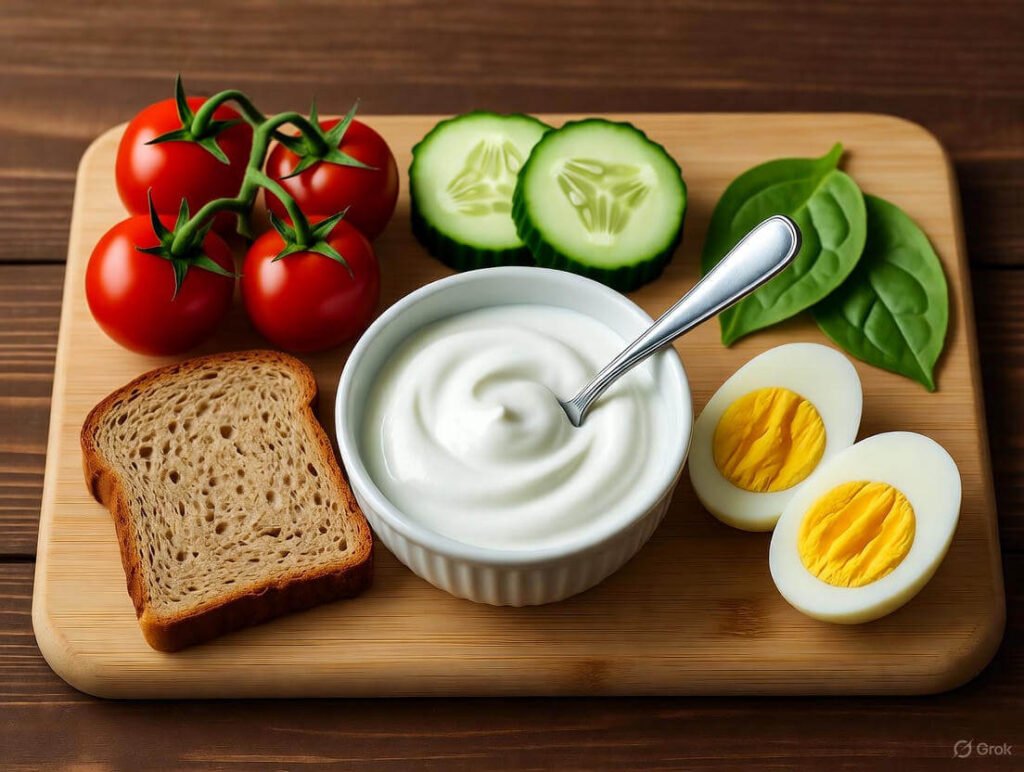
High Protein Overnight Oats
Combine 1/2 cup rolled oats, 1 scoop vanilla protein powder, 1 cup Greek yogurt, 2 tablespoons chia seeds, and your choice of milk. Refrigerate overnight and top with berries and almonds. Protein: 35-40g
Tofu Scramble Power Bowl
Crumble firm tofu and sauté with turmeric, nutritional yeast, spinach, and cherry tomatoes. Serve over quinoa with avocado and black beans. Protein: 28g
Peanut Butter Protein Smoothie
Blend 1 frozen banana, 2 tablespoons peanut butter, 1 scoop chocolate protein powder, 1 cup soy milk, and a handful of spinach. Protein: 30g
Lunch Ideas: Midday Protein-Rich Vegetarian Recipes
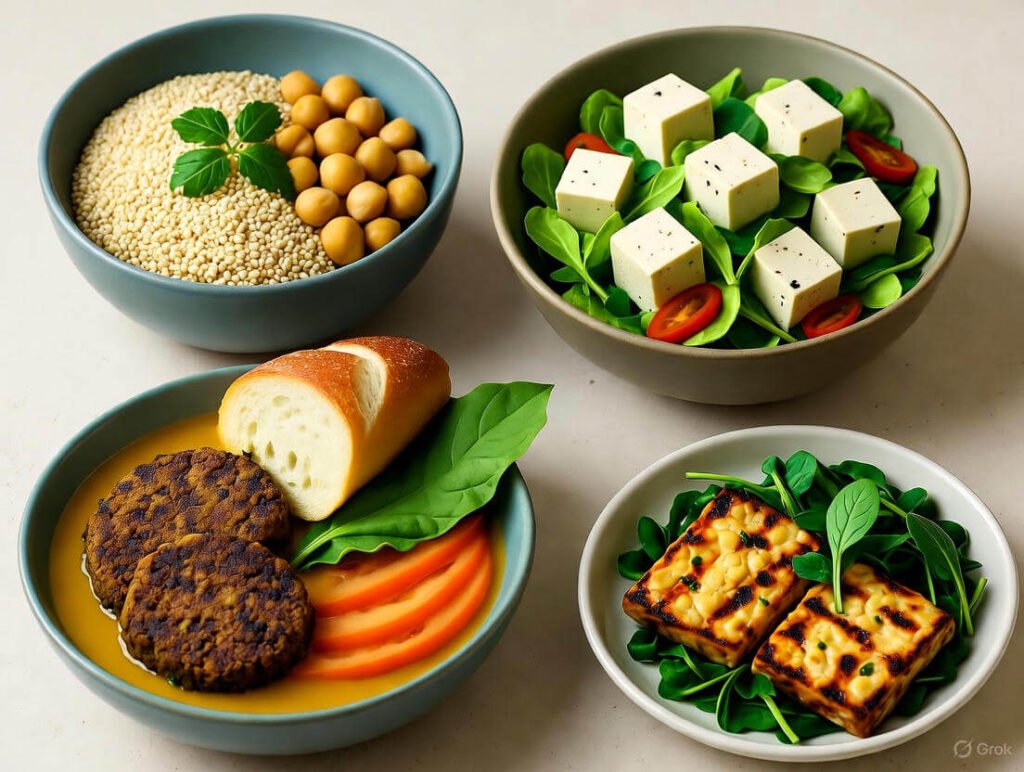
Mediterranean Chickpea Bowl
Layer 1 cup chickpeas, cucumber, tomatoes, red onion, Kalamata olives, and feta cheese over mixed greens. Drizzle with tahini dressing. Protein: 22g
Lentil and Quinoa Buddha Bowl
Combine cooked lentils, quinoa, roasted sweet potato, steamed broccoli, and a soft-boiled egg. Top with tahini-lemon dressing and hemp seeds. Protein: 26g
Black Bean and Tempeh Wrap
Spread hummus on a whole wheat tortilla, add crumbled tempeh, black beans, lettuce, salsa, and Greek yogurt. Protein: 32g
Dinner: Hearty High Protein Vegetarian Meals
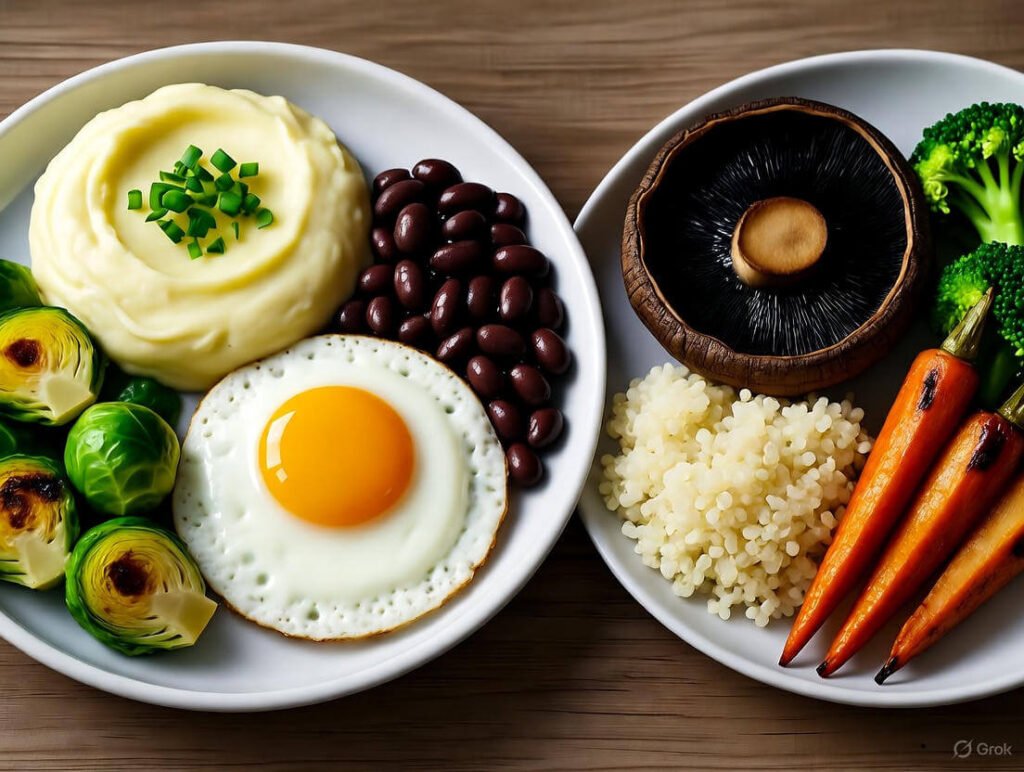
Protein-Packed Vegetarian Chili
This one-pot wonder combines three types of beans (kidney, black, and pinto), diced tomatoes, bell peppers, and spices. Top with Greek yogurt and shredded cheese. One generous serving delivers approximately 25g of protein while being incredibly budget-friendly and meal-prep friendly.
Paneer Tikka Masala with Lentils
Indian cuisine naturally excels at high protein vegetarian meals. Paneer (Indian cottage cheese) provides 14g protein per 100g, and adding red lentils to the tomato-based sauce boosts it further. Serve with naan or brown rice for a complete meal delivering 30-35g protein.
Stuffed Bell Peppers
Fill halved bell peppers with a mixture of quinoa, black beans, corn, diced tomatoes, and topped with melted mozzarella. Each pepper provides about 18g of protein and makes excellent leftovers.
Tempeh Stir-Fry
Marinate tempeh cubes in soy sauce, ginger, and garlic, then stir-fry with broccoli, snap peas, and carrots. Serve over brown rice or soba noodles. The tempeh alone provides 31g protein per cup, making this a muscle-building dinner option.
Snacks and Sides That Add Extra Protein
Sometimes you need protein-rich vegetarian options between meals:
- Roasted chickpeas (6g per 1/4 cup)
- Greek yogurt with granola and berries (15-20g)
- Cottage cheese with cucumber and everything bagel seasoning (14g per 1/2 cup)
- Trail mix with almonds, pumpkin seeds, and dried edamame (8-10g per handful)
- Hummus with vegetable sticks and whole grain crackers (4-6g)
Meal Prep Tips for High Protein Vegetarian Success
Building a week’s worth of protein-rich vegetarian meals becomes simple with these strategies:
Batch cook your proteins: Prepare large batches of lentils, quinoa, beans, and baked tofu on Sunday. Store in individual containers for quick assembly throughout the week.
Layer your proteins: Don’t rely on a single source. Combine beans with whole grains, add nuts to salads, or top dishes with seeds for complementary amino acid profiles.
Keep convenience items stocked: Canned beans, frozen edamame, Greek yogurt, eggs, and protein powder make last-minute high protein vegetarian meals possible when you’re short on time.
Prep versatile bases: Cook plain quinoa, brown rice, or whole wheat pasta that can be transformed into different meals with various toppings and sauces.
Common Mistakes to Avoid
Many people new to meatless high protein dishes make these errors:
Relying too heavily on cheese: While dairy provides protein, it’s also high in saturated fat and calories. Balance it with legumes and whole grains.
Forgetting about variety: Eating the same protein source daily can lead to nutrient gaps. Rotate between beans, lentils, tofu, tempeh, and whole grains.
Undereating calories: Plant proteins are often less calorie-dense than meat. You may need larger portions to meet both calorie and protein needs, especially if you’re active.
Neglecting complementary proteins: While you don’t need complete proteins at every meal, eating a variety throughout the day ensures adequate amino acid intake.
Building Your Perfect High Protein Plate
Use this simple formula for any meal:
- Pick your protein base (1-2 cups beans, lentils, tofu, or tempeh)
- Add a whole grain (1/2-1 cup quinoa, brown rice, or whole wheat pasta)
- Load up on vegetables (2+ cups for fiber, vitamins, and minerals)
- Include healthy fats (nuts, seeds, avocado, or olive oil)
- Top with a protein boost (Greek yogurt, nutritional yeast, hemp seeds, or cheese)
This formula typically delivers 25-35g protein per meal, putting you well on track to meet daily targets.
Conclusion: Your High Protein Vegetarian Journey
High protein vegetarian meals prove that plant-based eating can be both nutritious and satisfying. By incorporating diverse protein sources like legumes, whole grains, soy products, nuts, and dairy, you’ll easily meet your protein needs while enjoying delicious, colorful meals that support your health and fitness goals.
Start by adding one or two meatless high protein dishes to your weekly routine. Experiment with different cuisines—Indian dal, Mexican bean bowls, Mediterranean lentil soups, and Asian tofu stir-fries all naturally emphasize plant proteins. As you discover your favorites, you’ll find that protein-rich vegetarian eating isn’t about restriction—it’s about exploring an exciting world of flavors and ingredients that nourish your body and delight your taste buds.
Ready to transform your meals? Pick one recipe from this guide and try it this week. Your body, taste buds, and the planet will thank you.
Related Posts

Weight Loss with Natural Foods: The Ultimate Guide to Sustainable Success
Unlock the secrets of weight loss with natural foods and…

Vitamin C Rich Recipes: Delicious Ways to Boost Your Immunity
Introduction: The Problem & The Solution In today’s fast-paced world,…

Christmas Jam Recipe Sweet, Spiced & Perfect for Gifting
If there’s one recipe that truly captures the flavors of…