Discover the basics of Indian cuisine with this beginner’s guide. Learn about regional dishes, essential spices, and must-try Indian recipes at home.
Introduction
Curious about Indian cuisine but not sure where to start? You’re not alone. With its bold flavors, aromatic spices, and rich regional diversity, Indian food is one of the most fascinating and flavorful culinary traditions in the world.
This beginner’s guide to Indian cuisine will walk you through everything you need to know — from popular dishes and spice blends to regional differences and cooking tips. Whether you’re a foodie, a home cook, or someone looking to explore new meals, this guide will give you a solid foundation to enjoy and understand Indian food.
🇮🇳 What Makes Indian Cuisine Unique?
Indian cuisine is defined by:
- Diverse flavors: spicy, tangy, sweet, and savory — often in a single dish.
- Regional variation: North vs. South vs. East vs. West — each region has unique cooking styles.
- Spice layering: not just heat, but aroma, complexity, and health benefits.
- Vegetarian-friendly: many traditional dishes are plant-based or easily adaptable.
With a food culture steeped in Ayurveda, festivals, and community traditions, every dish tells a story.
Indian Cuisine by Region
🕌 1. North Indian Cuisine
Famous for: Creamy curries, tandoori dishes, flatbreads
- Popular Dishes: Butter Chicken, Rogan Josh, Chole Bhature, Dal Makhani
- Breads: Naan, Paratha, Roti
- Cooking Style: Heavy use of dairy (ghee, yogurt, cream), slow-cooked gravies
🌴 2. South Indian Cuisine
Famous for: Rice-based dishes, fermented batters, coconut & curry leaves
- Popular Dishes: Dosa, Idli, Sambar, Rasam, Kerala Fish Curry
- Staples: Rice, coconut oil, tamarind
- Unique Elements: Crisp textures, tangy flavors, lighter preparations
🧂 3. Western Indian Cuisine
Includes Gujarat, Maharashtra, Goa, and Rajasthan
- Gujarati Cuisine: Sweet-savory combos (e.g., Dhokla, Thepla)
- Goan Cuisine: Seafood + Portuguese influence (Vindaloo, Xacuti)
- Rajasthani Cuisine: Dry, spicy dishes like Laal Maas, Gatte ki Sabzi
🌾 4. Eastern Indian Cuisine
Includes West Bengal, Odisha, Assam, and more
- Famous For: Fish curry, mustard oil, sweets
- Popular Dishes: Bengali Maach (fish curry), Luchi, Mishti Doi
- Spices Used: Panch Phoron (five-spice blend)
Key Spices Used in Indian Cooking
Indian cuisine is incomplete without its legendary spice cabinet. But don’t worry — you don’t need 50 spices to get started. These essentials are a must:
| Spice | Flavor Profile | Common Use |
|---|---|---|
| Cumin (Jeera) | Earthy, warm | Base of curries and tadkas |
| Turmeric (Haldi) | Bitter, golden | Color + healing properties |
| Coriander | Citrus-like | Ground or seeds for balance |
| Garam Masala | Mixed warm spices | Final seasoning in North Indian curries |
| Chili Powder | Spicy heat | Adds kick to almost every dish |
| Mustard Seeds | Nutty, pungent | Common in South/East Indian tadkas |
| Curry Leaves | Aromatic | Used fresh in South Indian dishes |
📝 Tip: Always “bloom” your spices in oil to unlock full flavor!
Must-Try Indian Dishes for Beginners
If you’re just starting your Indian food journey, try these beginner-friendly and popular dishes:
- Chicken Tikka Masala – Marinated, grilled chicken in creamy tomato sauce
- Palak Paneer – Spinach and cottage cheese cooked in spices
- Chana Masala – Spicy chickpeas with onions and tomatoes
- Dosa – Crispy fermented rice-lentil crepes
- Rajma – Kidney bean curry (similar to chili)
- Jeera Rice – Cumin-scented fluffy rice
- Aloo Gobi – Potato and cauliflower stir-fry
- Dal Tadka – Yellow lentils with aromatic spice tempering
- Raita – Yogurt with cucumber and spices
- Gulab Jamun – Milk-based dessert balls soaked in sugar syrup
What to Eat Indian Food With?
- Breads: Naan, Roti, Paratha
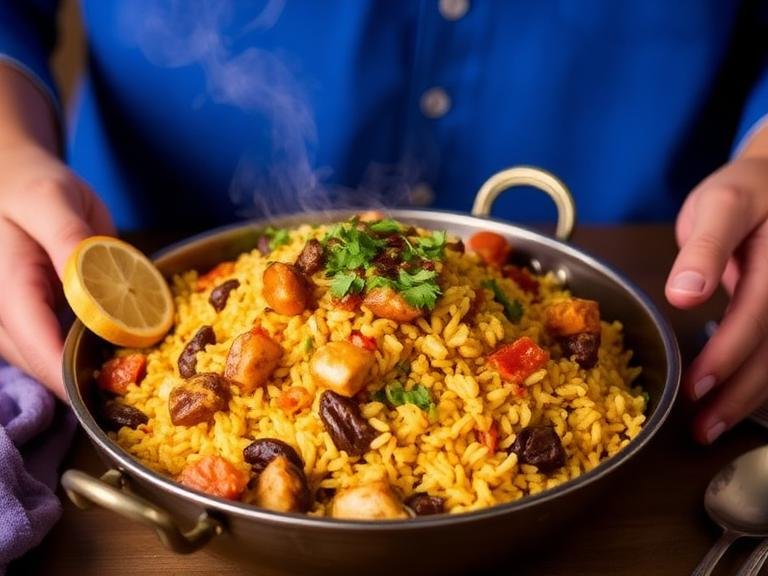
- Rice: Plain Basmati, Jeera Rice, Pulao
- Sides: Pickles (Achar), Papad, Chutney, Raita
Eating with your hands is common in many Indian households — it’s part of the sensory experience!
How to Start Cooking Indian Food at Home
You don’t need a ton of fancy equipment or rare ingredients to make Indian dishes at home. Here’s how to start:
Pantry Essentials:
- Spices: Cumin, turmeric, coriander, chili powder, garam masala
- Lentils (Dal): Toor dal, masoor dal, moong dal
- Rice: Basmati
- Flours: Atta (wheat), Besan (gram flour)
- Oils: Ghee, mustard oil, vegetable oil
Tools You’ll Need:
- Heavy-bottomed pot or kadai (wok)
- Pressure cooker (for dals/rice)
- Tawa (for flatbreads)
- Blender (for chutneys and gravies)
Recommended External Resource
Want to explore Indian cooking in more depth? Check out this fantastic Beginner’s Guide to Indian Cooking by Serious Eats – it covers spice tips, cooking techniques, and kitchen tools in detail. (Do-follow external link)
Final Thoughts
Indian cuisine is more than just food — it’s a journey through history, geography, and tradition. From the bold curries of Punjab to the coconut-based flavors of Kerala, there’s a world of taste waiting to be explored.
Start with simple recipes, stock your pantry with a few basic spices, and experiment! Over time, you’ll learn to balance flavors and create delicious Indian meals right from your own kitchen.
Whether you’re vegetarian, vegan, gluten-free, or a meat lover — Indian cuisine has something for everyone.
Related Posts

10 Must-Try Vegetarian Indian Snacks Full of Flavor
Discover 10 delicious vegetarian Indian snacks that are spicy, crispy,…
Master Authentic Donne Biryani: Bangalore’s Spiciest Legend
Discover Bangalore’s iconic Donne Biryani, its origins, authentic military-hotel recipe…

11 Irresistible Indian Snack Recipes for Every Occasion
Discover the ultimate list of the best Indian snack recipes…