Natural red food color offers a safer, healthier alternative for baking, cooking, and beverages. Learn its benefits, uses, and how to make your own at home.
7 Powerful Benefits of Using Natural Red Food Color in Modern Cooking
More people today are choosing to cook with natural red food color because it offers bright, beautiful shades without the use of artificial chemicals. In fact, natural red food color has rapidly become a favorite among home cooks, bakers, and professional chefs who want safer, healthier options for coloring food. Whether you’re preparing pastries, festive dishes, or homemade drinks, natural red food color brings both beauty and peace of mind.
In this guide, we’ll explore its sources, health benefits, uses, DIY recipes, and tips to help you use it effectively in your kitchen.
Understanding Natural Red Food Color
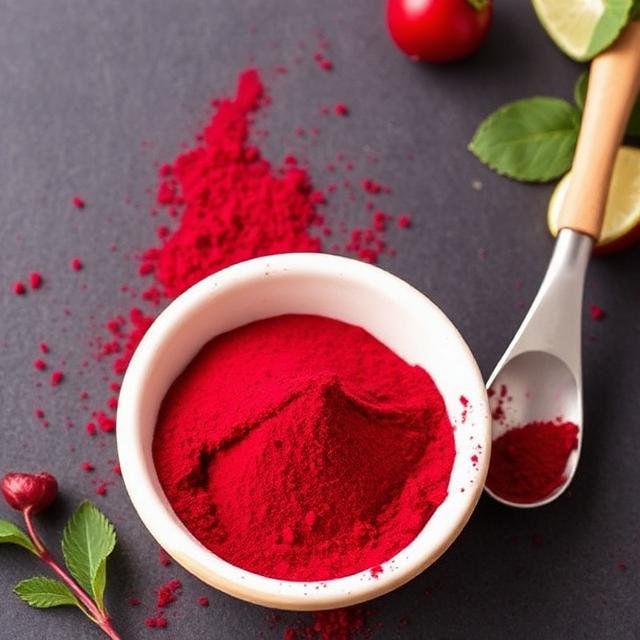
What Is Natural Red Food Color?
Natural red food color is a coloring agent extracted from fruits, vegetables, seeds, or plants. Unlike synthetic dyes, it comes from real food sources, making it a healthier and more eco-friendly option.
Why Natural Coloring Is Gaining Popularity
There’s a growing demand for clean-label ingredients. People are now avoiding artificial red dyes like Red 40 or Carmine, which have been linked to allergies and other sensitivities. Natural alternatives offer color without health risks.
Common Sources of Natural Red Food Color
Beetroot Extract
Beet juice or beet powder is one of the most popular sources because it creates a deep, vibrant red. It’s widely used in cakes, pastries, and smoothies.
Red Cabbage Pigment
Red cabbage creates a beautiful purple-red shade. When mixed with acidic ingredients like lemon, it becomes even brighter.
Pomegranate & Berry Concentrates
Strawberries, raspberries, cherries, and pomegranates produce a fresh, rich red that works wonderfully in desserts.
Annatto Seeds
Annatto provides a warm orange-red shade and is often used in rice dishes, cheese, and sauces.
Health Benefits of Natural Red Food Color
Free From Harmful Chemicals
Natural red food color is made from plant-based ingredients. Unlike synthetic dyes, it’s free from artificial additives that may cause reactions.
Rich in Antioxidants
Most natural red sources—like berries and beets—are loaded with antioxidants that support heart health and immunity.
Safe for Kids and Sensitive Diets
Parents prefer natural colorings because they’re gentler on children’s bodies. They’re also suitable for people with allergies or dietary restrictions.
Uses of Natural Red Food Color in Cooking & Baking
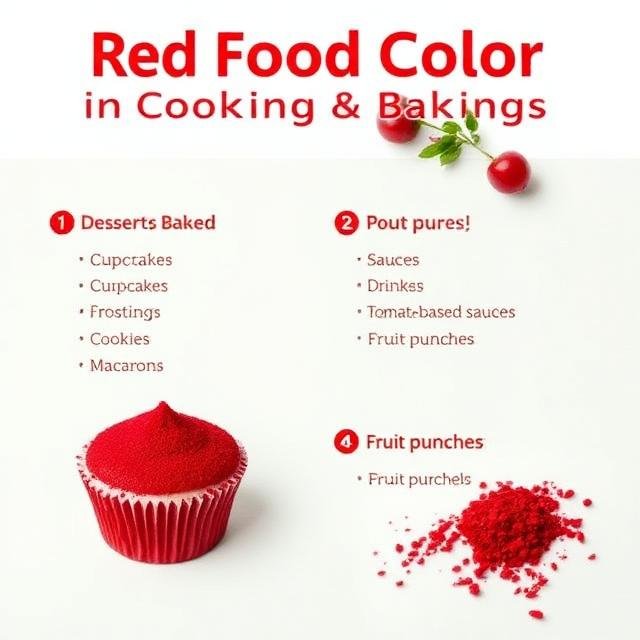
Desserts & Baked Goods
Use natural red food color in:
- Cupcakes
- Frostings
- Red velvet cake
- Cookies
- Macarons
It adds color without changing the flavor too much.
Sauces, Soups & Drinks
It can brighten:
- Tomato-based sauces
- Fruit punches
- Smoothies
- Mocktails
Festive & Cultural Dishes
Many cultures use natural red to celebrate festivals, weddings, and family gatherings.
How Natural Red Food Color Compares to Artificial Color
Taste Differences
Natural colors may add slight flavors depending on the source. Beet adds earthiness, while berries add sweetness.
Appearance & Stability
Artificial colors tend to stay bright longer. Natural shades may fade with heat or light, but they’re far safer.
Cost & Accessibility
Natural colors may cost more, but the health benefits make them worth it.
Tips for Using Natural Red Food Color Effectively
How to Mix for Stronger Shades
Reduce moisture or add powders instead of juices for deeper color.
How Heat Affects Natural Pigments
Beet and berry colors may darken or fade at high temperatures. Add them later in recipes when possible.
DIY Recipes: Make Your Own Natural Red Food Color
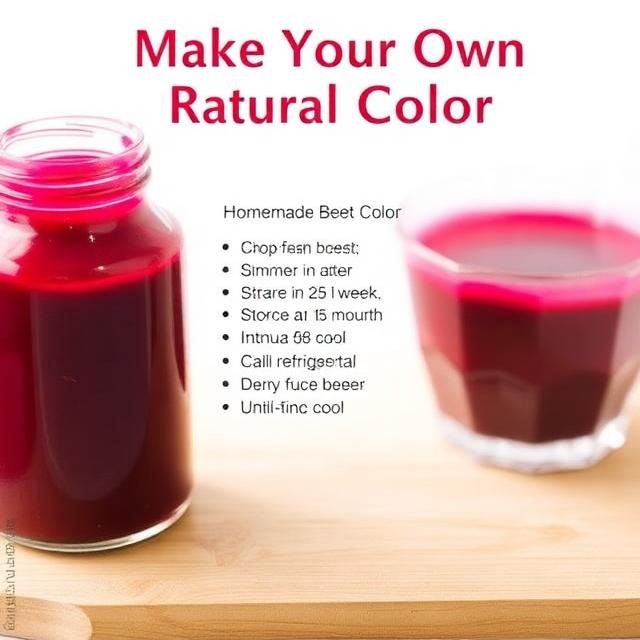
Homemade Beet Juice Color
- Chop fresh beets.
- Simmer in water for 25 minutes.
- Strain and cool.
- Store in the refrigerator for 1 week.
Berry-Based Red Food Color
- Crush strawberries or raspberries.
- Simmer with a small amount of water.
- Strain and reduce until thick.
- Use as liquid food color.
FAQs
1. Does natural red color change the taste of food?
Yes, some sources like beets may add a mild flavor.
2. Is natural red food color safe for kids?
Absolutely — it’s free of harsh chemicals.
3. Can I use natural red color in hot dishes?
Yes, but heat may reduce brightness.
4. What foods work best with natural red color?
Cakes, frostings, drinks, and sauces.
5. How long does homemade natural color last?
Usually 5–7 days in the fridge.
6. Is natural red color vegan?
Most are, but avoid carmine-based red if you want vegan options.
Conclusion
Natural red food color is a safe, beautiful, and health-friendly alternative to artificial dyes. Whether you’re baking treats or making DIY colors at home, it gives your dishes vibrant shades and clean ingredients. Its antioxidant benefits and natural origins make it a smart choice for families, chefs, and health-conscious cooks alike.
Related Posts

New York Food: Discover the Underground Fusion Kitchen Revolution 2026
New York City has always been a global culinary hub,…

Wine Bottle Refrigerator: The Complete Guide to Proper Wine Storage at Home
Introduction (Problem + Solution) Storing wine correctly is one of…

Boba Powder Mix: The Ultimate Guide to Bubble Tea
Learn everything about boba powder mix, what it is, how…