Discover the best sources of natural yellow food coloring, from turmeric to saffron. Learn how to make your own dyes, use them in recipes, and understand the benefits over artificial options. A comprehensive guide for bakers and foodies.
The Complete Guide to Natural Yellow Food Coloring: Bright, Safe, and Sustainable
In an era where consumers are increasingly scrutinizing ingredient labels, the shift from artificial to natural food colorings is more than a trend—it’s a movement. The quest for a vibrant, sunny yellow hue in foods, once dominated by synthetic dyes like Yellow #5 (Tartrazine) and Yellow #6, is now being beautifully fulfilled by nature’s own palette. Natural yellow food coloring offers a way to achieve those cheerful shades without compromising on health or principles. This comprehensive guide will explore the vibrant world of natural yellow dyes, providing you with the knowledge and techniques to use them confidently in your kitchen.
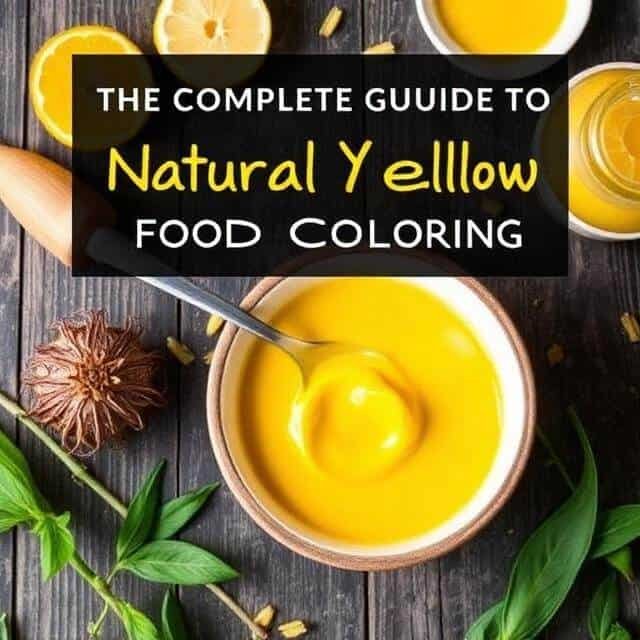
Why Choose Natural Yellow Food Coloring?
Before diving into the “how,” it’s crucial to understand the “why.” The move away from synthetic food dyes is driven by several compelling factors.
Health and Safety Concerns: While regulatory bodies deem certain artificial colors safe in limited quantities, ongoing research and consumer advocacy have raised questions. Some studies suggest potential links to hyperactivity in sensitive children and allergic reactions. Natural yellow food coloring, derived from plants, spices, and fruits, is generally recognized as safe and free from these concerns.
Clean Label Demand: Today’s shoppers want recognizable ingredients. “Turmeric extract” or “annatto” on a label is far more appealing than “FD&C Yellow #5.” Using natural colorants aligns with the clean-label movement and boosts product transparency.
Dietary and Ethical Alignment: Many natural yellow colorants are vegan, gluten-free, organic, and non-GMO, catering to a wide range of dietary needs and ethical preferences. They allow for coloring food in a way that feels wholesome and intentional.
Top Sources of Natural Yellow Food Coloring
Nature provides a stunning array of options for achieving yellow hues. Here are the most effective and commonly used sources.
1. Turmeric: The Golden Powerhouse
The most iconic source of natural yellow coloring comes from the root of the Curcuma longa plant.
- Color Profile: Produces a bright, warm golden-yellow.
- Form: Available as fresh root, ground powder, or liquid extract.
- Best For: Icings, savory dishes, rice, soups, and pickles. Its earthy, slightly peppery flavor works best in compatible recipes.
- Pro Tip: Turmeric is light-sensitive. To prevent fading, store finished products away from direct sunlight and consider using opaque packaging.
2. Saffron: The Luxury Spice
Harvested from the stigma of the Crocus sativus flower, saffron is the world’s most precious spice and a potent colorant.
- Color Profile: Imparts a rich, deep golden-yellow to orange-yellow hue.
- Form: Whole threads or powder.
- Best For: Paella, risottos, breads, and sophisticated desserts where its distinct flavor is an asset.
- Pro Tip: Steep a few threads in a tablespoon of warm water or milk for 15-20 minutes to create a powerfully concentrated natural yellow dye.
3. Annatto (Achiote): The Vibrant Seed
Derived from the seeds of the Bixa orellana tree, annatto is a staple in Latin American and Filipino cuisines.
- Color Profile: Ranges from bright yellow to deep orange.
- Form: Seeds, powder, or a prepared paste.
- Best For: Coloring cheeses (like Cheddar), butter, rice, and stews. It has a very mild, slightly peppery, and nutty flavor.
4. Carrot Juice & Beta-Carotene
The orange pigment in carrots, beta-carotene, can be used to create lovely yellow-to-orange shades.
- Color Profile: A softer, orange-leaning yellow.
- Form: Fresh juice, powder, or commercial liquid extract.
- Best For: Cake batters, creamy frostings, and smoothies. It adds a nutritional boost of Vitamin A.
5. Lemon & Citrus Peels
The zest of lemons, oranges, and other citrus fruits contains potent pigments and oils.
- Color Profile: A light, fresh yellow.
- Form: Freshly grated zest or dehydrated powder.
- Best For: Baked goods, shortbread cookies, and icings where a subtle citrus flavor is desirable.
6. Marigold Petals (Calendula)
The petals of certain marigold flowers (Tagetes erecta) are a traditional source of lutein, a carotenoid pigment.
- Color Profile: A bright, sunshine yellow.
- Form: Dried petals or commercially prepared extract.
- Best For: A truly flavorless option ideal for delicately flavored cakes, buttercreams, and pastries.
How to Make Your Own Natural Yellow Food Coloring at Home
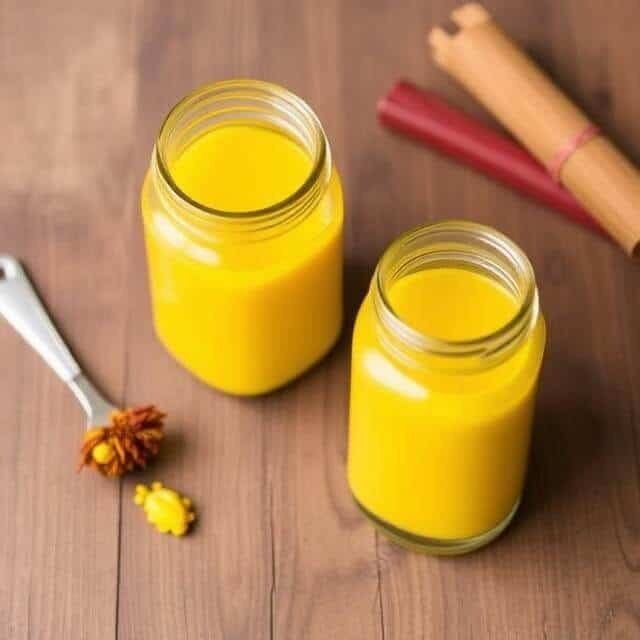
Creating your own homemade yellow food coloring is simple, cost-effective, and rewarding. Here’s a step-by-step guide for two popular methods.
Method 1: Turmeric-Based Liquid Dye
This method creates a highly concentrated, vibrant liquid perfect for drops of color.
Ingredients:
- 1/4 cup ground turmeric
- 1 cup water
- 1/4 cup high-proof vodka or vinegar (as a preservative; optional)
Instructions:
- Simmer: Combine turmeric and water in a small saucepan. Bring to a gentle simmer over medium-low heat.
- Steep: Reduce heat and let it steep for 15-20 minutes, stirring occasionally, until the liquid is a deep gold.
- Strain: Pour the mixture through a fine-mesh sieve or cheesecloth into a clean jar. Press to extract all liquid.
- Preserve (Optional): Stir in vodka or vinegar to extend shelf life. Without it, refrigerate and use within 1-2 weeks.
- Store: Keep in a sealed glass jar in the refrigerator.
Method 2: Saffron Infusion for Premium Color
Ideal for recipes where saffron’s flavor is welcome.
Ingredients:
- 1 generous pinch of saffron threads (about 1/4 teaspoon)
- 3 tablespoons hot (not boiling) water or milk
Instructions:
- Crush: Lightly crush the saffron threads in a small bowl to release their oils.
- Steep: Pour the hot liquid over the threads. Let it steep for at least 30 minutes, or until the liquid cools completely and turns a deep orange-gold.
- Store: Use immediately or store the cooled infusion in the fridge for up to a week.
Practical Tips for Using Natural Yellow Dyes in Baking and Cooking
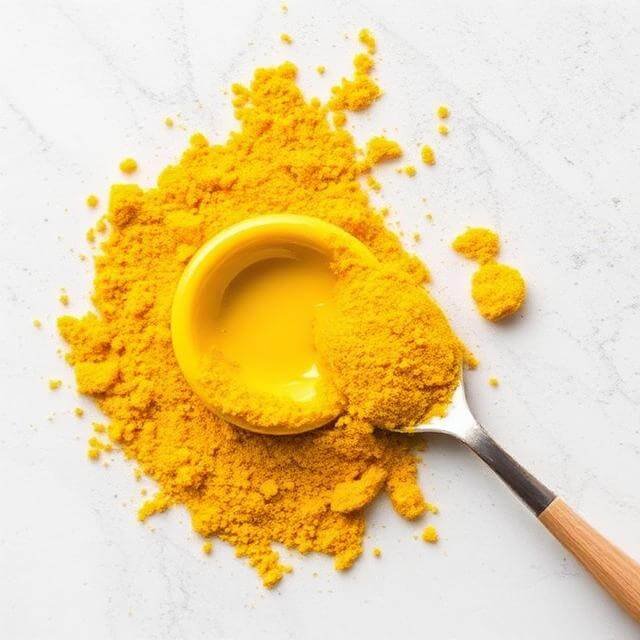
Successfully working with plant-based food coloring requires a slightly different approach than with synthetic dyes.
- Start Small, Build Gradually: Natural pigments can be potent. Always add color incrementally, mixing thoroughly before adding more. It’s easier to deepen a shade than to lighten it.
- Understand pH Sensitivity: Many natural colorants are pH-sensitive. Turmeric, for example, will turn a brighter, more vibrant yellow in neutral to slightly acidic environments and can shift towards orange or brown in alkaline environments (like batters with baking soda). Test a small amount first.
- Manage Flavor Profile: Consider the flavor of your color source. Turmeric works wonderfully in spice cakes or cream cheese frosting but might clash with a vanilla birthday cake. For neutral flavors, choose marigold or annatto powder.
- Expect Different Results: Natural colors may not achieve the same neon-bright intensity as artificial ones, and they can vary batch-to-batch. Embrace the beautiful, subtle variations—it’s a sign of authenticity.
- Heat Stability: Most natural yellow colorants are reasonably heat-stable, making them suitable for baking. However, prolonged high heat or light exposure can cause some fading over time.
Application Examples: Bringing Sunshine to Your Recipes
- Yellow Buttercream Frosting: Whip up a batch of vanilla buttercream. Add turmeric powder a 1/4 teaspoon at a time until you achieve a perfect pastel or sunshine yellow. For a flavorless option, use a few drops of annatto oil infusion (steep annatto seeds in warm vegetable oil and strain).
- Golden Lemon Cupcakes: Add 1-2 teaspoons of finely grated lemon zest to your cupcake batter for a natural yellow tint and a burst of fresh flavor.
- Vibrant Yellow Velvet Cake: Replace the red food coloring in a traditional red velvet recipe with a 1/4 cup of your homemade turmeric liquid dye for a stunning “golden velvet” cake.
- Naturally Yellow Pasta or Dough: Dissolve 1-2 teaspoons of turmeric powder or saffron infusion into the water or eggs used to make your pasta, bread, or pie dough.
Conclusion: Embrace the Hue of Nature
Transitioning to natural yellow food coloring is a rewarding choice for your health, your culinary creations, and the environment. While it demands a shift in expectation—from uniform, electric shades to the elegant, variable tones of the earth—the benefits are profound. You gain complete control over what goes into your food, avoid potential synthetic additives, and connect with age-old culinary traditions. Whether you’re a home baker decorating a child’s birthday cake, a food entrepreneur developing a new product, or simply a health-conscious consumer, the world of natural colorants is rich, vibrant, and ready to explore. Start with a pinch of turmeric or a few saffron threads, and let nature paint your plate.
FAQ: Your Questions on Natural Yellow Food Coloring Answered
Q: What is the brightest natural yellow food coloring?
A: Ground turmeric typically produces the brightest and most intense golden-yellow. For a flavorless but still vibrant option, look for extracts made from annatto or marigold (calendula).
Q: Can I substitute natural yellow coloring 1:1 for artificial yellow dye?
A: Not exactly. Natural colorants are often less concentrated. You will likely need to use more by volume. Always add gradually and be mindful of any added flavor or liquid content that might affect your recipe.
Q: How long does homemade natural food coloring last?
A: Water-based infusions (like turmeric water) last 1-2 weeks in the refrigerator. Adding a natural preservative like vinegar or alcohol can extend this. Powdered sources (turmeric, annatto powder) have a shelf life of 1-2 years when stored in a cool, dark place.
Q: Will natural yellow color fade in my baked goods?
A: Some fading from heat and light exposure is possible, but generally, carotenoid-based colorants (turmeric, annatto) are quite stable in baked goods. Storing finished products away from direct sunlight helps preserve color.
Q: Are there any natural yellow colorants that are flavorless?
A: Yes. Annatto powder and marigold (calendula) extract are known for providing vibrant yellow hues with minimal to no discernible taste, making them excellent for delicate desserts.
Q: Where can I buy high-quality natural yellow food coloring?
A: You can find them in well-stocked grocery stores (spice aisle), health food stores, online retailers (Amazon, specialty baking sites), and wholesale suppliers for food manufacturers. Look for brands that specify “natural” or “plant-based.”
Category Most Mentioned: Baking & Dessert Applications
The most frequent inquiries and uses for natural yellow food coloring revolve around baking. From achieving the perfect yellow cake batter and buttercream frosting to coloring macarons, cookies, and fondant, bakers are at the forefront of adopting these natural alternatives to create visually appealing and safer treats for all occasions.
Related Posts

Meal Prep Foods: A Comprehensive Guide to Healthier Eating and Time Management
Modern life is busier than ever, and with hectic schedules,…

The National Food Dish of USA: Why America’s Culinary Identity Defies Simple Definition
Discover why the USA doesn't have an official national food…

Buy Organic Food Online: The Smart Guide to Eating Clean and Healthy
In today’s fast-paced world, people are becoming increasingly conscious of…