Indian food is not one single style of cooking. It is a collection of regional traditions shaped by climate, culture, trade, and history. The contrast between North vs South Indian cuisine is one of the most noticeable in the country.
In the North, you’ll find rich gravies, wheat-based breads, and slow-cooked dishes influenced by Mughal and Central Asian traditions. In the South, rice dominates the plate, coconut is everywhere, and fermentation plays a major role in daily meals.
If you’ve ever wondered why your naan and butter chicken feel completely different from your dosa and sambar, this guide breaks it all down in a clear, practical way.
Geographic and Cultural Influence
North India
States like Punjab, Delhi, Rajasthan, Uttar Pradesh, Haryana, and Kashmir fall into this region. The climate is generally cooler and more temperate compared to the South. Historically, North Indian food was shaped by Persian, Mughal, and Central Asian influences, which introduced rich gravies, dry fruits, and tandoor cooking.
South India
This region includes Tamil Nadu, Kerala, Karnataka, Andhra Pradesh, and Telangana. The climate is largely tropical and coastal. South Indian cuisine reflects strong Dravidian roots and centuries of spice trade. Coconut, tamarind, and seafood are common, especially along the coast.
Geography plays a major role here. Wheat grows well in the North. Rice thrives in the South. That single agricultural difference explains a lot.
Core Ingredients: The Foundation of Flavor
Grains
North Indian meals revolve around wheat. Roti, naan, paratha, and kulcha are everyday staples. Rice is eaten, too, but breads dominate.
South Indian cuisine is centered around rice. From plain steamed rice to fermented batters used for dosa and idli, rice is essential.
Oils and Fats
North India commonly uses ghee, butter, and mustard oil. These add richness and depth.
South India prefers coconut oil and sesame oil. The flavor is lighter but distinct.
Dairy
Dairy plays a big role in North Indian food. Cream, paneer, yogurt, and butter are widely used in gravies.
In the South, dairy is used more lightly. Coconut milk often replaces cream, giving dishes a different texture and flavor profile.
Spices
North Indian cooking frequently includes garam masala, kasuri methi, cardamom, cloves, and coriander powder.
South Indian kitchens rely heavily on mustard seeds, curry leaves, tamarind, dried red chilies, and regional spice blends like sambar powder.
Cooking Styles and Techniques
North Indian Cooking
North Indian dishes often involve slow cooking. Gravies are thick and rich. Tandoor ovens are used to grill meats and bake bread. Butter and cream are commonly added toward the end for extra richness.
A signature method here is “bhuna.” This technique involves frying onions, ginger, garlic, and spices together until aromatic before adding the main ingredients. It builds a deep, layered flavor.
South Indian Cooking
South Indian cuisine uses steaming, fermenting, and tempering as key techniques. Idli is steamed. Dosa batter is fermented overnight. Curries tend to be thinner and more broth-like.
Tempering, also called tadka, is essential. Mustard seeds, curry leaves, chilies, and lentils are briefly fried in hot oil and poured over a dish to boost aroma and flavor instantly.
Sourness is another defining feature, often coming from tamarind or fermented batter rather than yogurt or cream.
Signature Dishes: A Clear Contrast
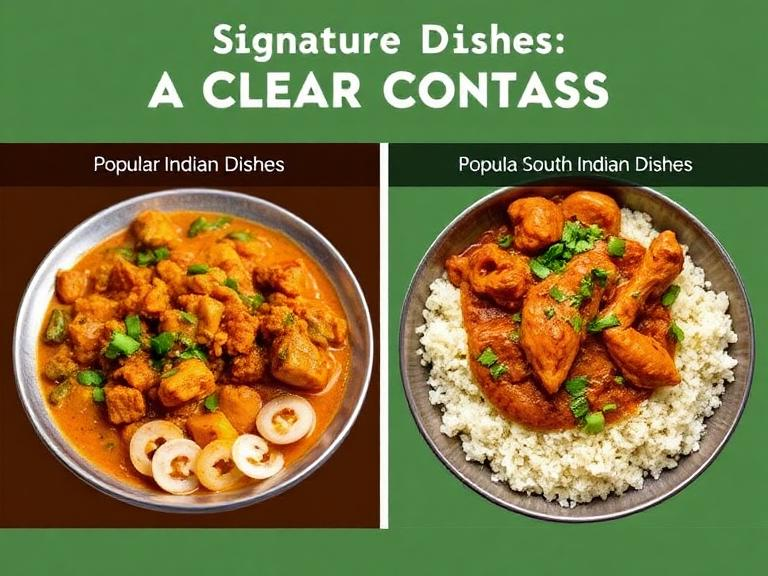
Popular North Indian Dishes
- Butter Chicken
- Palak Paneer
- Chole Bhature
- Dal Makhani
- Rogan Josh
- Naan and Paratha
- Rajma Chawal
These dishes are hearty, filling, and often creamy or spiced with warm aromatics.
Popular South Indian Dishes
- Chicken Chettinad
- Avial
- Idli with Sambar
- Rasam
- Kerala-style Fish Curry
- Dosa, Appam, and Puttu
- Lemon Rice and Curd Rice
These meals are often lighter in texture but bold in flavor, with tangy and spicy notes.
Spice Profile: Warm vs Tangy
North Indian flavors tend to be warm, aromatic, and slightly sweet from ingredients like cardamom and cloves. The spice mix leans toward rounded, comforting heat.
South Indian flavors are sharper and brighter. Tamarind brings sourness. Curry leaves add fragrance. Dried red chilies deliver clean heat. Coconut balances it all.
Both regions use spices generously, but the final taste experience feels completely different.
Breads vs Fermented Foods
One of the easiest ways to understand the difference is to look at the staple carb.
In North India, wheat breads dominate. Meals are built around tearing roti or naan and scooping up curry.
In South India, fermented rice-lentil batters create dishes like dosa, idli, appam, and pesarattu. Fermentation adds slight sourness and makes food lighter and easier to digest.
Desserts: Milk vs Jaggery
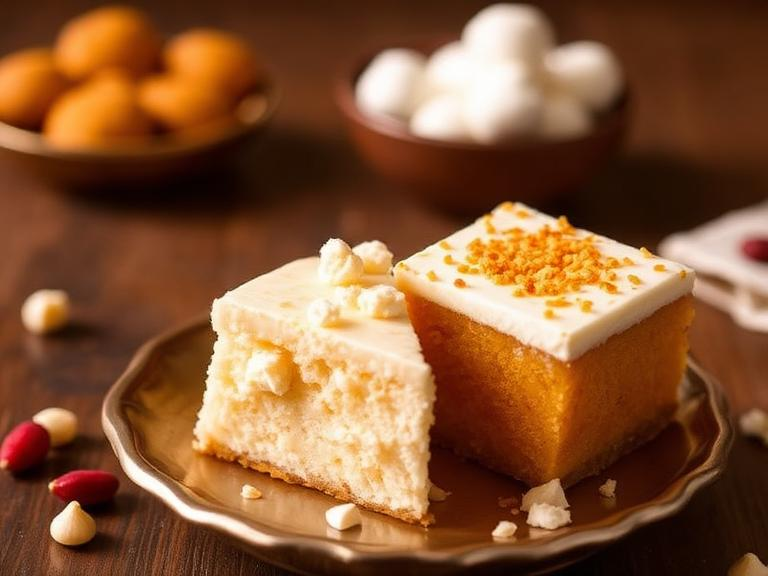
North Indian sweets often rely on milk solids and sugar syrup. Popular choices include gulab jamun, rasmalai, gajar halwa, and kheer.
South Indian desserts frequently use jaggery and coconut. Payasam, Mysore Pak, rava kesari, and ada pradhaman are common favorites.
The North leans toward creamy and rich sweets. The South often features caramel-like jaggery sweetness and coconut flavor.
Vegetarian and Non-Vegetarian Traditions
Both regions offer strong vegetarian traditions, but they express them differently.
North India is known for dairy-rich vegetarian dishes such as paneer curries and slow-cooked lentils. It is also famous for tandoori chicken and lamb dishes.
South India excels in vegetarian stews like sambar and avial, along with a wide range of seafood in coastal areas. Kerala and coastal Andhra, in particular, are well known for fish curries.
Eating Style and Food Culture
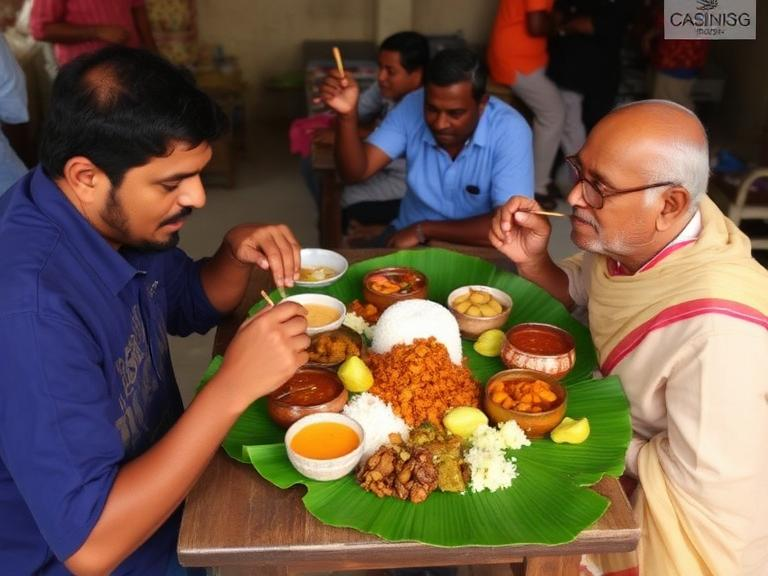
In both regions, eating with hands is common and culturally significant. It is believed to enhance the sensory experience of food.
In the North, meals often focus on one or two main dishes served with bread.
In the South, meals are sometimes served as a full platter on a banana leaf, especially during festivals. Rice is the center, surrounded by multiple small portions of curries, chutneys, and pickles.
Street food also reflects regional differences. The North offers chaat, samosas, and kathi rolls. The South is known for vada, dosa stalls, and sundal.
Final Thoughts
North vs South Indian cuisines are not rivals. They are two powerful expressions of the same country’s diversity.
If you enjoy rich, creamy gravies and soft breads, North Indian food will feel comforting and satisfying. If you prefer tangy, rice-based meals with coconut and fermented flavors, South Indian cuisine might win your heart.
The real beauty lies in experiencing both.
Related Posts

10 Must-Try Vegetarian Indian Snacks Full of Flavor
Discover 10 delicious vegetarian Indian snacks that are spicy, crispy,…

Vegetarian Potluck Recipes Indian: Crowd-Pleasing Dishes That Steal the Show
Discover delicious, easy Indian vegetarian potluck recipes that will impress…
Healthy Indian Snacks: 5 Low-Calorie, Protein-Rich Snacks for Weight Loss
Looking for tasty, healthy Indian snacks that actually help with…