Healthy eating doesn’t have to be hard! Discover simple nutrition tips, balanced meals, and smart food choices that fit your lifestyle.
Introduction: Health Starts with Simplicity
In today’s fast-paced world, eating healthy can feel confusing — calories, macros, supplements, diets… it’s a lot.
But true wellness isn’t about strict rules — it’s about simple, consistent, nutritious choices that fuel your mind and body.
Whether you’re meal-prepping in Canada, working long hours in the UK, or managing a family kitchen in Pakistan or India, these practical nutrition tips will help you make healthy eating easy and enjoyable — no complicated diets required.
1. The Core of Simple Nutrition
You don’t need fancy ingredients or complex plans.
The key is balance — combining macronutrients (protein, carbs, fats) and micronutrients (vitamins, minerals) every day.
| Food Group | Why It Matters | Simple Sources |
|---|---|---|
| Protein | Builds & repairs body tissues | Eggs, lentils, tofu, Greek yogurt, paneer |
| Carbohydrates | Primary energy source | Oats, rice, sweet potatoes, fruits |
| Fats | Supports brain & hormones | Olive oil, avocado, nuts, seeds |
| Fiber | Improves digestion | Vegetables, chia seeds, whole grains |
| Vitamins & Minerals | Boosts immunity & metabolism | Leafy greens, citrus fruits, dairy |
2. Simplify Your Meals — Follow the 3-Color Rule
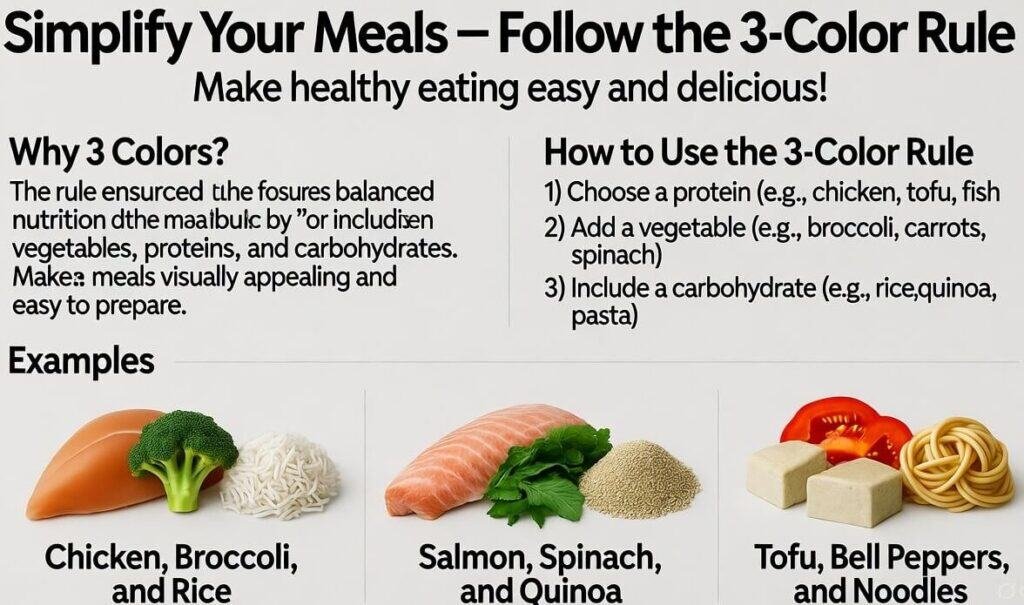
Every meal should include three colors — one from each group:
- Green (fiber): spinach, cucumber, broccoli
- Yellow/Orange (carbs): mango, banana, sweet potato
- Red/White (protein/fats): lentils, yogurt, paneer, tofu
This visual method ensures variety, balance, and nutrient diversity — no tracking apps required!
✅ Tip: The more colorful your plate, the healthier your meal.
3. Build a Healthy Plate Anywhere
Follow this simple plate ratio:
- ½ vegetables & fruits
- ¼ protein (paneer, tofu, lentils, eggs)
- ¼ carbs (whole grains, rice, roti)
- * 1 tsp healthy fat (olive oil, nuts, seeds)
This works for any cuisine — Indian, Pakistani, Western, or Mediterranean — and keeps your nutrition balanced.
4. Hydration — The Forgotten Nutrient
Dehydration often feels like fatigue or hunger.
Aim for:
- 8–10 glasses of water daily
- Add lemon, cucumber, or mint for flavor
- Drink more in hot climates like India or Pakistan
- Use herbal teas in cold regions like Canada or the UK
✅ Pro Tip: Start every morning with a glass of warm water + lemon — it helps detox and boost metabolism.
5. Smart Nutrition Habits for Busy Lives
You don’t need a strict diet — just consistent habits:
- Eat real, whole foods 80% of the time
- Limit processed sugar and fried food
- Cook more at home
- Read nutrition labels — aim for fewer than 5 ingredients
- Practice portion control — eat until 80% full
✅ Small steps = long-term health.
6. Simple Meal Ideas (Easy + Nutritious)
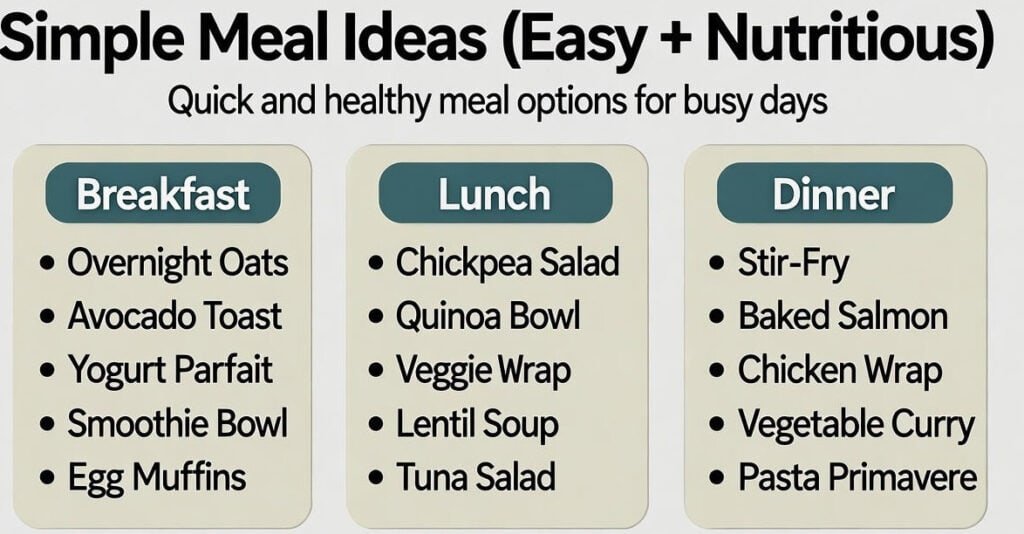
| Meal | Recipe | Key Nutrients |
|---|---|---|
| Breakfast | Greek yogurt + fruits + seeds | Protein + fiber |
| Lunch | Lentil curry + brown rice + salad | Balanced macros |
| Snack | Roasted chickpeas / nuts | Protein + healthy fats |
| Dinner | Grilled paneer + quinoa + veggies | Light & filling |
| Drink | Smoothie with spinach + banana + milk | Vitamins + energy |
.8. How to Read Food Labels (Made Simple)
When shopping, check for:
- Ingredients list: short and natural = better
- Sugar: <10g per serving
- Protein: aim for 5g+ per serving
- Fiber: 3g+ per serving
- Avoid: artificial colors, hydrogenated oils, high fructose corn syrup
9. Supplements — Do You Need Them?
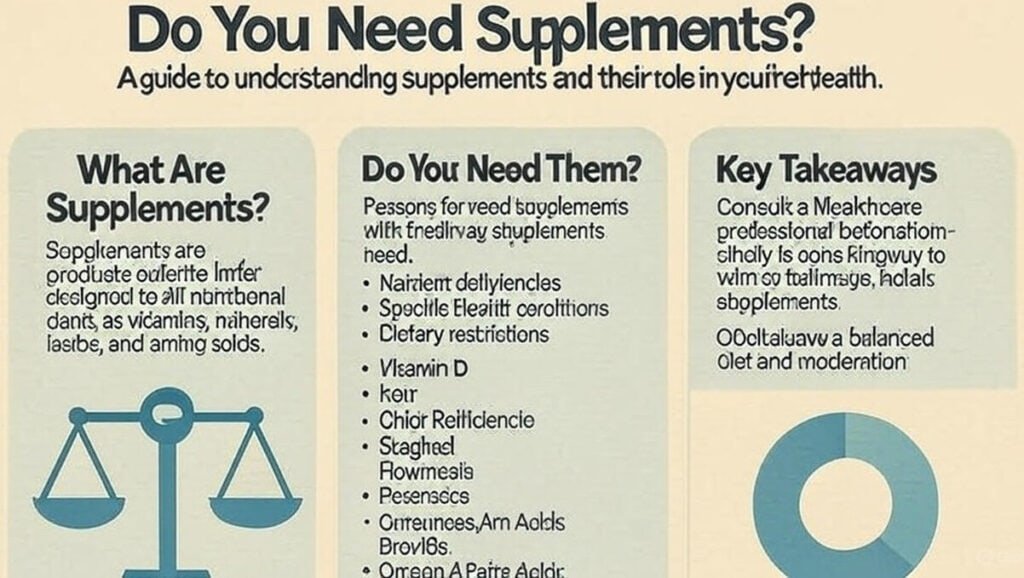
Whole foods are best, but in some cases, supplements help:
- Vitamin D (for UK/Canada during winter)
- B12 (for vegetarians/vegans)
- Omega-3 (if you don’t eat fish)
- Iron (for women or low-iron diets)
Always consult a nutritionist before starting any supplement.
10. Staying Motivated
Nutrition isn’t perfection — it’s progress.
- Prep simple meals once a week
- Reward yourself with a healthy dessert
- Join a wellness community or cooking group
- Track your energy, not just your weight
Remember: Healthy eating is a lifestyle, not a restriction.
FAQs
Q1. What is simple nutrition?
It means focusing on whole, natural foods and balanced meals without overcomplicating your diet.
Q2. Can I eat healthy on a budget?
Absolutely. Local produce, lentils, oats, and seasonal fruits are affordable and nutritious.
Q3. How do I start eating healthy?
Begin by cooking more at home and cutting back on processed foods and sugary drinks.
Q4. What’s a simple meal prep idea?
Cook lentils, rice, and grilled paneer in advance — store in portions for quick meals.
Q5. Does simple nutrition help with weight loss?
Yes, clean and balanced meals reduce cravings, stabilize blood sugar, and promote healthy weight.
Conclusion
Healthy living doesn’t require perfection — just consistency and simplicity.
By following the “Nutrition Made Simple” approach, you’ll enjoy better energy, focus, and long-term wellness without stress.
From a smoothie in the USA to lentil soup in Pakistan, nutrition is about balance — and it’s easier than you think.
Related Posts

Top 10 Plant Based Diet Benefits | Real Health, Real Energy
Discover the proven plant based diet benefits of a 2025…

15 Best Vegetarian Crockpot Recipes (Easy & Healthy Slow Cooker Meals)
If you think a vegetarian crockpot is only for meat…

Best Foods for Weight Loss: Eat Smart, Stay Fit
Introduction: The Problem with Weight Loss Diets Millions of people…