Discover OMA Warszawa – Warsaw’s innovative open museum of art. Explore public installations, locations, exhibitions, and how to experience it for free.
OMA Warszawa: The Complete Guide to Warsaw’s Open Museum of Art
In the heart of Warsaw, art is no longer confined to gallery walls. It lives in parks, appears on building facades, and quietly reshapes everyday streets. OMA Warszawa – short for Otwarte Muzeum Sztuki – has transformed the Polish capital into a city-sized exhibition space where contemporary art is accessible to everyone.
If you are researching OMA Warszawa, planning a visit, or simply curious about Warsaw’s cultural scene, this guide will walk you through everything you need to know: how it works, where to find installations, what makes it unique, and why it matters.
What Is OMA Warszawa?
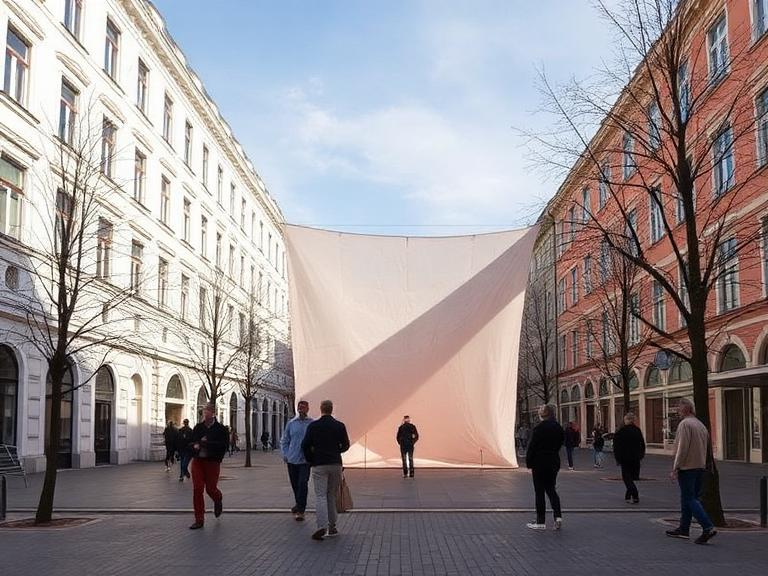
OMA Warszawa (Open Museum of Art Warsaw) is a public art initiative that turns urban space into an exhibition platform. Instead of operating from a single building, OMA spreads installations across streets, squares, parks, and residential districts.
The Core Idea
The concept is simple but powerful:
- No traditional museum building
- No entrance fees
- No fixed visiting hours
- Art integrated into daily urban life
You do not “enter” OMA. You encounter it while walking to work, meeting friends, or exploring the city.
Why Warsaw? The Context Behind OMA
To understand OMA, you need to understand Warsaw itself.
The city was almost entirely destroyed during World War II and later rebuilt under communist rule. Public space in Warsaw has always been politically and historically charged. After 1989, Poland’s democratic transformation opened new possibilities for artistic expression in public areas.
OMA emerged as part of this broader cultural evolution. It reflects:
- A city redefining its identity
- A desire to democratize access to contemporary art
- A need to reconnect urban life with creative expression
In many ways, OMA is both an artistic project and a social statement.
How OMA Warszawa Works
OMA operates through partnerships between cultural institutions, the city administration, private sponsors, and independent curators.
1. Curatorial Selection
Each installation is selected or commissioned through a curatorial process that considers:
- Relevance to contemporary social issues
- Connection to the chosen urban site
- Artistic innovation
- Community impact
2. Site-Specific Installations
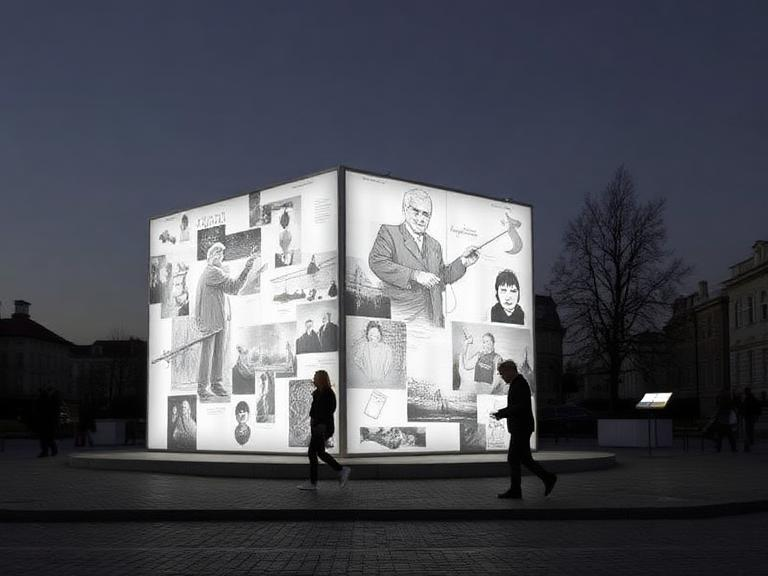
Works are carefully placed in locations where they interact with their surroundings. An installation in a park may explore ecology. A mural in an older district may address local history.
3. Temporary and Permanent Projects
OMA includes:
- Temporary exhibitions lasting several months
- Long-term installations that become part of the cityscape
- Interactive or digital projects accessible via QR codes and mobile tools
Because many works are temporary, OMA constantly evolves.
Where to Find OMA Installations in Warsaw
OMA installations are distributed across multiple districts. Here are the key areas to explore:
Śródmieście (City Center)
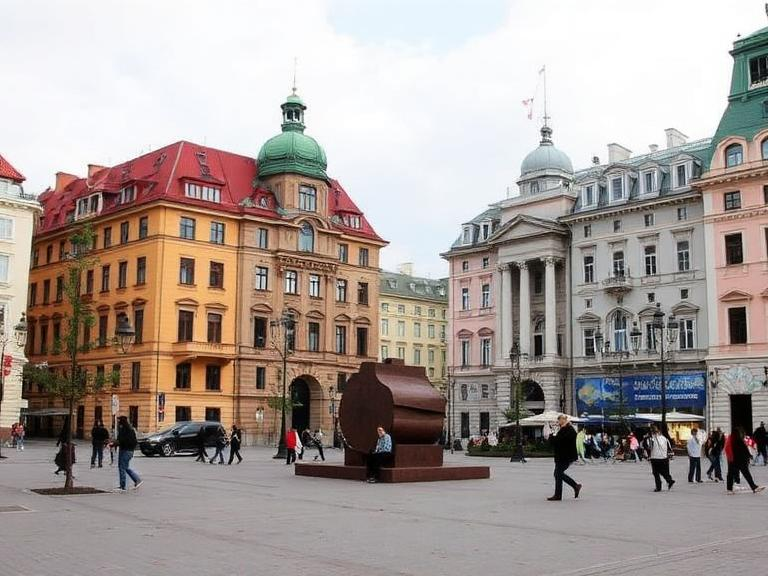
The central district contains a high concentration of works. Around major landmarks, open squares, and historic streets, you’ll often find large-scale installations that attract both residents and tourists.
This is the best starting point for first-time visitors.
Praga
On the right bank of the Vistula River, Praga offers a different atmosphere. Known for its preserved pre-war architecture and artistic energy, this district often features murals and community-focused projects.
OMA’s presence here supports cultural revival while respecting local identity.
Mokotów and Żoliborz
These residential areas host smaller-scale interventions, sculptures in parks, and architectural integrations. They demonstrate how public art can enhance everyday life beyond the tourist center.
What Makes OMA Warszawa Different?
Public art exists in many cities, but OMA stands out for several reasons.
1. Accessibility
Traditional museums require tickets, fixed hours, and intentional visits. OMA removes these barriers. Art becomes part of your routine.
2. Urban Integration
Unlike sculpture parks located outside cities, OMA is fully embedded within the urban environment.
3. Historical Engagement
Many installations respond to Warsaw’s complex past, including:
- World War II destruction
- Post-war reconstruction
- Communist-era memory
- Contemporary political and social debates
OMA does not avoid difficult themes. It invites dialogue.
4. Free Cultural Infrastructure
Every installation is free to access. This reinforces the idea that culture is a public good, not a luxury.
Suggested OMA Walking Route (Half-Day Plan)
If you have 3–4 hours in Warsaw, try this route:
- Start in central Warsaw near major public squares.
- Walk through nearby parks to discover sculptural works.
- Continue toward historical streets where temporary installations often appear.
- End your walk in a neighborhood café reflecting on what you’ve seen.
Because installations change, checking the official OMA website before your visit is recommended.
Best Time to Experience OMA Warszawa
OMA can be visited year-round, but each season offers a different atmosphere:
- Spring and early autumn: Ideal temperatures for long walks
- Summer: Extended daylight hours and frequent cultural events
- Winter: Snow and evening lighting create dramatic contrasts
Since installations are outdoors, weather plays a major role in the experience.
Cultural and Social Impact
OMA has reshaped how public space is perceived in Warsaw.
Urban Revitalization
Art installations often turn overlooked areas into gathering points. Public squares gain new meaning. Neighborhoods develop stronger identities.
Civic Dialogue
Contemporary works sometimes provoke debate. That is intentional. OMA treats art as a platform for discussion rather than decoration.
Tourism and Creative Economy
OMA contributes to Warsaw’s image as a modern European capital with a dynamic cultural scene. Visitors interested in contemporary art increasingly include OMA in their itineraries.
Is OMA Warszawa Really Free?
Yes. All outdoor installations are free and accessible 24/7.
You may encounter optional paid events such as workshops or guided tours, but viewing the artworks themselves never requires payment.
Tips for Visiting OMA
- Wear comfortable shoes – you’ll walk a lot.
- Use QR codes at installations to access background information.
- Visit during both daytime and evening for different lighting effects.
- Combine your visit with local cafés and neighborhood exploration.
- Take photos, but credit artists when sharing online.
OMA works best when experienced slowly. Spend time with each installation instead of rushing through them.
The Future of OMA Warszawa
OMA continues to expand into new districts and explore digital technologies. Future plans include:
- Greater presence in outer neighborhoods
- Interactive and augmented reality elements
- International artist collaborations
- Deeper community participation
The long-term vision is simple: make public art a permanent and essential part of Warsaw’s identity.
Final Thoughts
OMA Warszawa is more than a cultural initiative. It represents a shift in how we think about museums, cities, and access to art.
Instead of asking people to enter a museum, OMA brings the museum to the people.
Whether you are a tourist discovering Warsaw for the first time or a resident seeing your neighborhood through new eyes, OMA invites you to pause, reflect, and engage with art in the most open way possible.
Related Posts

Quicken vs QuickBooks: 2026 Comparison – Which Financial Software Is Right for You?
Quicken vs QuickBooks 2026 comparison: personal finance vs business accounting.…

Valor H5 Gas Fireplace Review 2026: Features, Pros, Cons & Ultimate Buying Guide
Valor H5 gas fireplace 2026 review: 71% efficient, V-Class burner,…

Wine Fridge Cabinet: The Ultimate Guide to Stylish and Smart Wine Storage
Introduction (Problem + Solution) Wine lovers often face a common…