In recent years, the demand for organic food has skyrocketed—and it’s not just a health trend. More people are prioritizing clean eating, environmental sustainability, and food safety. Choosing organic is one of the simplest yet most impactful steps you can take to improve your overall well-being and support a healthier planet. So, what exactly are the benefits of organic food, and why should you consider switching to it?
🌱 What Is Organic Food?
Organic food is grown or raised without the use of synthetic pesticides, herbicides, genetically modified organisms (GMOs), artificial fertilizers, or growth hormones. It emphasizes sustainable farming practices, animal welfare, and natural processing methods.
Certified organic products must meet strict standards set by organizations like the USDA (United States), EU Organic, or the Soil Association (UK).
✅ 1. Fewer Harmful Chemicals
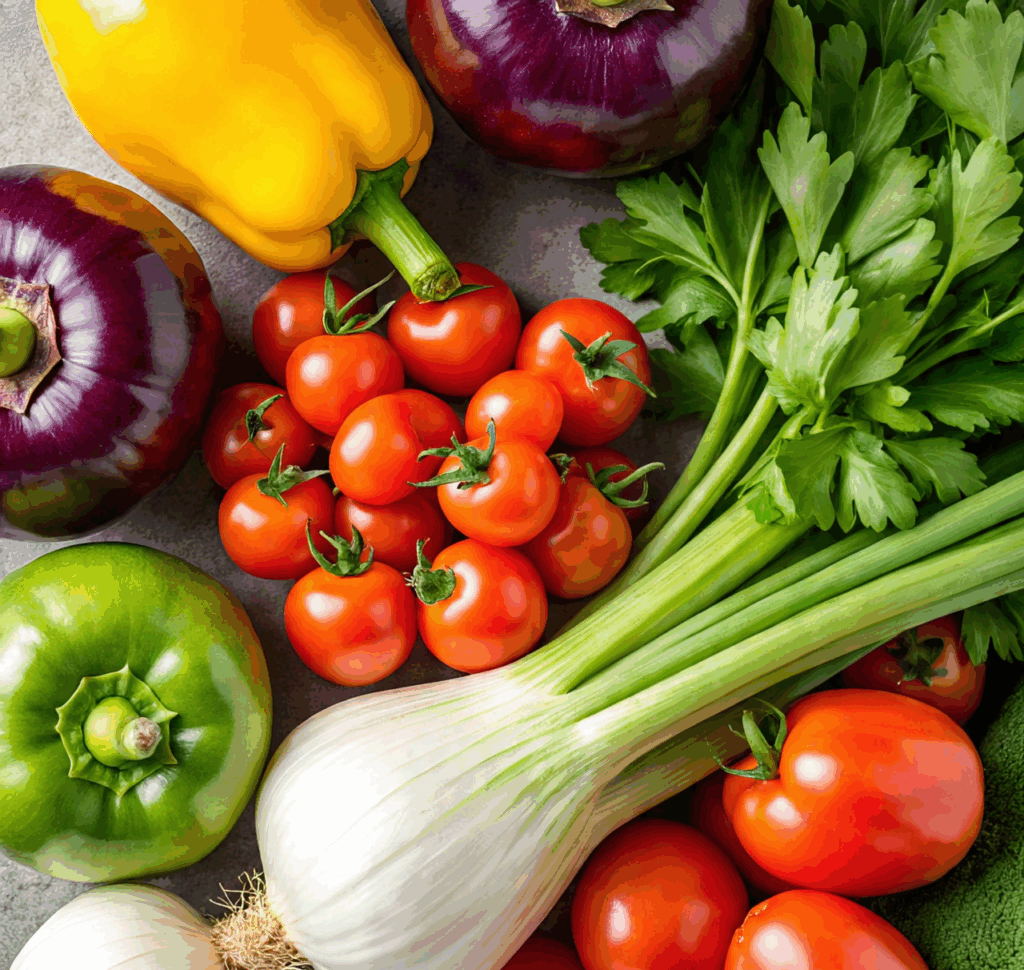
One of the most well-known benefits of organic food is that it contains fewer pesticide residues and harmful chemicals. Traditional farming often relies on synthetic fertilizers and pesticides, which can leave residues on produce and even leach into water supplies.
Why it matters:
- Reduced exposure to carcinogenic substances.
- Lower risk of hormone disruption, especially in children.
- Safer for pregnant women and people with allergies or compromised immunity.
🍏 2. Higher Nutritional Value
Several studies have found that organic produce may contain higher levels of certain vitamins, minerals, and antioxidants compared to conventionally grown food.
Key nutrients often higher in organic food:
- Vitamin C
- Iron
- Magnesium
- Polyphenols and flavonoids (antioxidants)
While not all experts agree on the extent of these differences, many agree that organic farming supports better soil health, which in turn leads to more nutrient-rich crops.
🧠 3. Better for Mental and Emotional Health
Many people who eat organic report feeling healthier—not just physically, but emotionally. The peace of mind from knowing you’re consuming clean, untainted food can contribute to reduced stress and better mood.
Bonus:
Organic meat and dairy are often higher in omega-3 fatty acids, which are essential for brain health, mood regulation, and cardiovascular wellness.
🌿 4. Environmentally Friendly
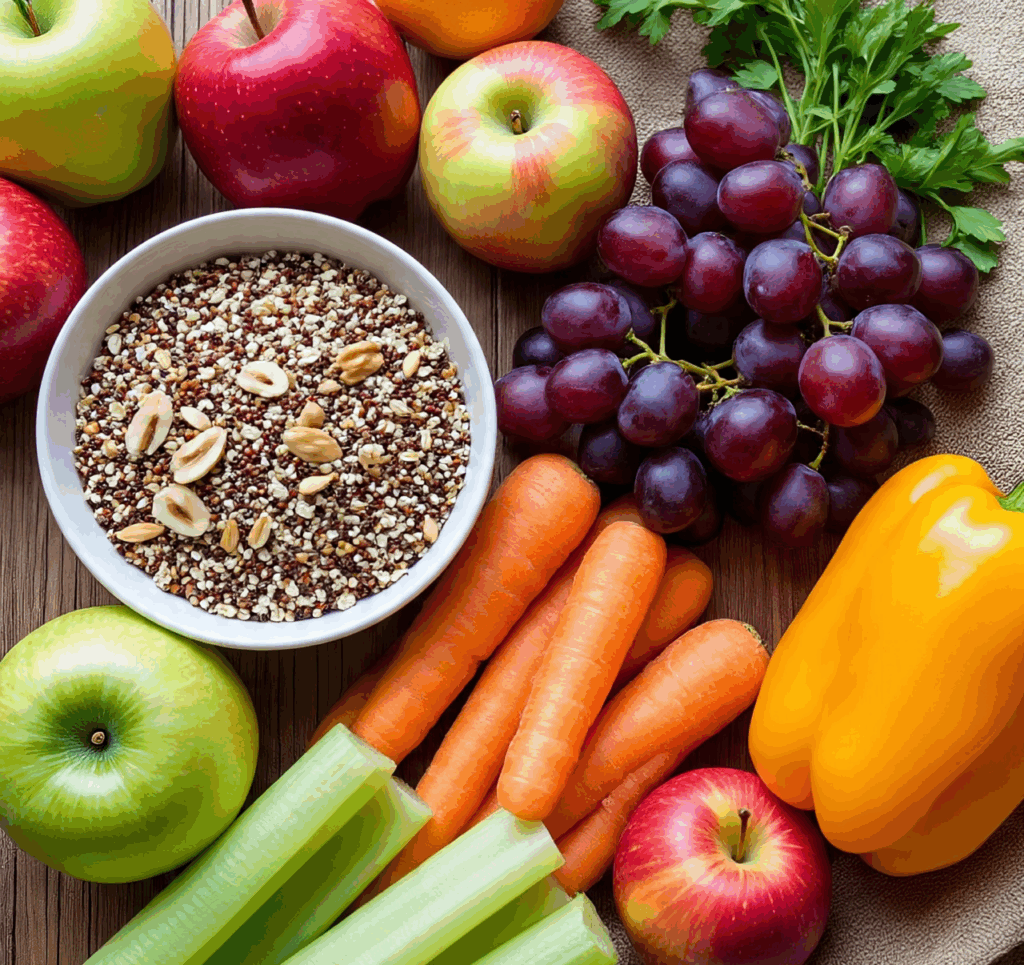
Organic farming is designed to work in harmony with nature. It promotes biodiversity, reduces pollution, and uses sustainable farming practices that benefit the environment long-term.
Environmental benefits of organic agriculture:
- Protects soil fertility and structure.
- Reduces water contamination from chemical runoff.
- Supports pollinators like bees and butterflies.
- Lowers greenhouse gas emissions.
Choosing organic is not just a personal health decision—it’s an eco-conscious choice.
🐓 5. Better Animal Welfare
Organic meat, poultry, eggs, and dairy must come from animals raised according to strict welfare standards. This includes:
- No routine antibiotics or growth hormones.
- Access to outdoor grazing or roaming.
- More humane living conditions.
By supporting organic animal products, you are advocating for ethical and responsible farming.
👶 6. Safer for Children and Pregnant Women
Children are more vulnerable to the effects of pesticides and chemical residues due to their developing immune and neurological systems. Pregnant women are also advised to avoid exposure to certain chemicals.
Feeding your family organic can reduce their exposure to potentially harmful substances and provide them with cleaner, more nourishing food.
🧪 7. No GMOs (Genetically Modified Organisms)
Certified organic food is 100% GMO-free. Many people choose to avoid GMOs due to health concerns, lack of long-term studies, and environmental risks associated with genetically engineered crops.
Organic farming embraces natural biodiversity and avoids tampering with the genetic makeup of plants and animals.
🌾 8. Supports Local Farmers & Sustainable Communities
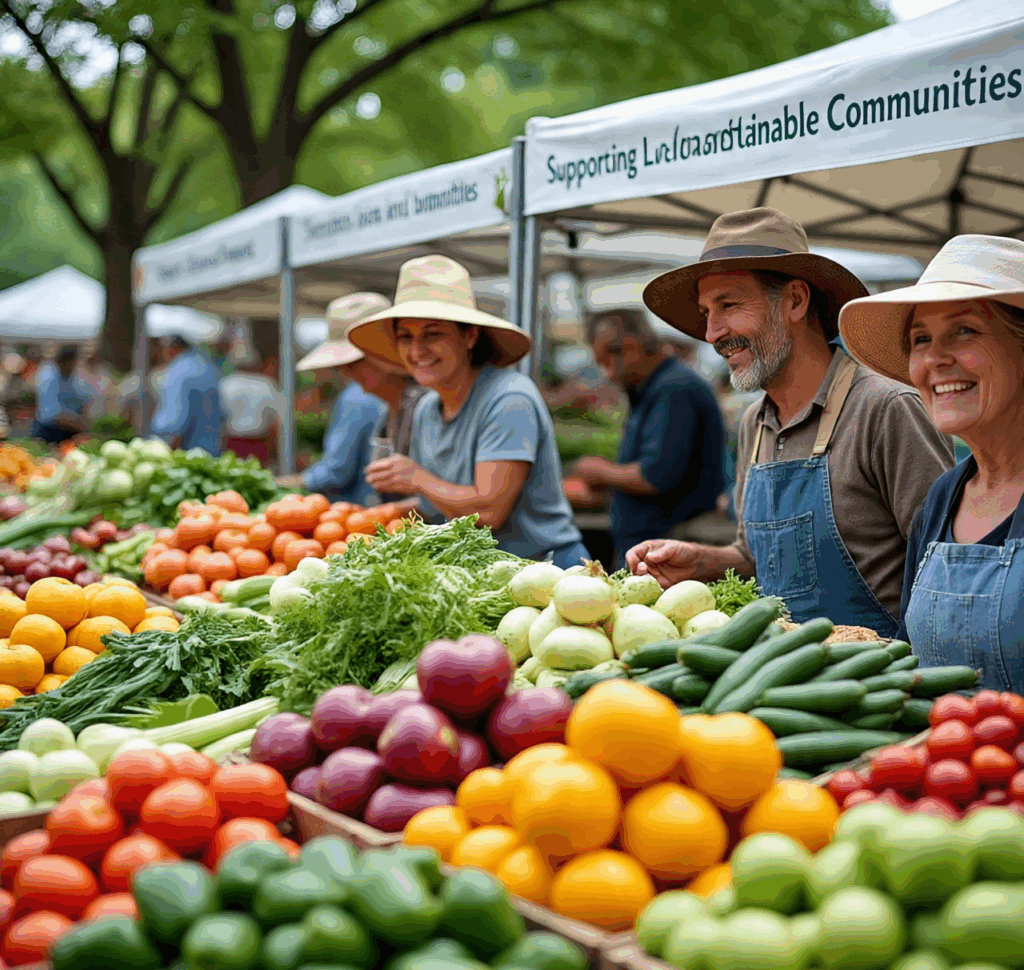
Buying organic—especially from local farms or online organic food platforms—helps support small-scale farmers who prioritize quality over quantity. These farmers invest in long-term soil health, humane animal practices, and fair labor.
When you choose organic, you’re not just buying food—you’re investing in a more ethical and sustainable food system.
🧼 9. Better Taste & Freshness
Many people find that organic food tastes better. This is likely due to:
- Fresher produce with no preservatives.
- Healthier soil leading to better crop flavor.
- Livestock raised on more natural, varied diets.
Organic fruits, vegetables, and even dairy often have a richer, cleaner taste that reflects the quality of their environment.
🚫 10. Avoids Artificial Additives & Preservatives
Organic food regulations prohibit the use of:
- Artificial colors and flavors
- Preservatives
- MSG (monosodium glutamate)
- Hydrogenated fats
This makes organic packaged and processed products cleaner and safer, especially for those with sensitivities or dietary restrictions.
Final Thoughts: Is Organic Food Worth It?
Yes—for your health, your family, and the planet, the benefits of organic food are undeniable. While organic items may sometimes cost more, the long-term value in terms of reduced medical issues, environmental preservation, and ethical farming is well worth the investment.
If you’re just getting started, begin by switching the most pesticide-heavy foods (like strawberries, apples, and spinach) to organic, or try an organic fruit and veg box subscription for convenience.
Quick Recap: Benefits of Organic Food
| Benefit | Why It Matters |
|---|---|
| Fewer Chemicals | Reduces risk of health issues from synthetic pesticides |
| Higher Nutrition | More antioxidants and essential minerals |
| Supports Mental Well-being | Cleaner eating leads to better mood and peace of mind |
| Environmental Protection | Sustainable farming practices help preserve nature |
| Better Animal Treatment | Ethical standards for livestock |
| Safer for Children | Protects vulnerable immune systems |
| GMO-Free | Avoids genetically engineered food |
| Community Support | Helps small farmers and ethical producers |
| Superior Taste | Fresher and more flavorful |
| No Harmful Additives | Clean ingredients without synthetic chemicals |
1. What is organic food?
Answer:
Organic food is produced without the use of synthetic pesticides, chemical fertilizers, genetically modified organisms (GMOs), artificial preservatives, or growth hormones. It follows environmentally sustainable farming practices and often has stricter animal welfare standards.
2. Is organic food really healthier than conventional food?
Answer:
Yes, several studies suggest organic food contains higher levels of antioxidants, certain vitamins, and minerals. Additionally, organic food is free from synthetic pesticide residues, making it a healthier and safer choice, especially for children and pregnant women.
3. Why is organic food more expensive?
Answer:
Organic farming is more labor-intensive, uses natural alternatives to synthetic chemicals, and follows strict certification standards. Yields may be lower, but the methods are more sustainable. These factors contribute to higher costs, but many consider it a long-term investment in health and the environment.
4. What are the environmental benefits of organic food?
Answer:
Organic farming helps conserve soil fertility, reduce water pollution, protect biodiversity, and lower carbon emissions. It avoids harmful chemical inputs and supports ecosystems that benefit both agriculture and wildlife.
5. Does organic food taste better?
Answer:
Many people say yes. Organic food is often fresher, harvested closer to peak ripeness, and grown in nutrient-rich soil—factors that can enhance flavor, texture, and aroma, especially in fruits, vegetables, and dairy.
6. Is organic food free from pesticides?
Answer:
Organic farming avoids synthetic pesticides, but may use natural, plant-based alternatives. These are typically less toxic and degrade faster, making organic produce much safer in terms of pesticide exposure.
7. Is organic meat and dairy better for you?
Answer:
Organic meat and dairy come from animals raised without antibiotics, synthetic hormones, or GM feed. These products often contain higher levels of omega-3 fatty acids and are produced under stricter animal welfare standards.
8. Are all organic foods non-GMO?
Answer:
Yes. Certified organic foods are strictly non-GMO. Organic regulations prohibit the use of genetically modified organisms in crops, animals, and processed foods.
9. Can organic food help reduce allergies or sensitivities?
Answer:
Some people with food sensitivities or allergies find relief when switching to organic food, particularly due to the absence of artificial additives, preservatives, and pesticide residues. However, individual results vary.
10. How can I start eating more organic without breaking the bank?
Answer:
Focus on buying organic versions of the most pesticide-heavy foods (like strawberries, spinach, apples—known as the “Dirty Dozen”), shop at farmers’ markets, look for sales, or subscribe to an organic box delivery service for better value.
Related Posts

Best Natural Dog Food for French Bulldogs: Vet-Approved Picks & Guide (2024)
Discover the best natural dog food for French Bulldogs. Our…

Candy That Starts With Z: Full List of Z Candy Bars & Sweets
Discover candy that starts with Z, including Zagnut, Zero Bar,…

7 Amazing Reasons Natural Red Food Color Is a Better & Healthier Choice
Natural red food color offers a safer, healthier alternative for…