Discover the history and meaning behind all 50 state birds. From the Northern Cardinal to the Nene, explore why these birds were chosen and what they symbolize.
The Complete Guide to State Birds: History, Symbolism, and Identification
Birds have long captivated the human imagination, serving as symbols of freedom, beauty, and the natural world. In the United States, this fascination is codified in law through the designation of official state birds. From the brilliant red plumage of the Northern Cardinal to the haunting call of the Western Meadowlark, these avian ambassadors serve as emblems of local pride, ecological diversity, and cultural heritage.
While many Americans can name their own home state’s bird, few realize the complex history, fierce political debates, and fascinating biological details behind these selections. This comprehensive guide explores the world of state birds, offering a deep dive into the history, the statistics, and the unique stories behind every feathered representative in the Union.
Introduction to State Birds: America’s Avian Ambassadors
The concept of a state bird is more than just a designation; it is a recognition of the wildlife that shares our environment. These birds are often chosen because they are ubiquitous within the state, possess a distinct beauty, or hold historical significance to the region’s settlement and development.
For birdwatchers, historians, and curious citizens alike, understanding state birds offers a unique lens through which to view American geography. Because birds migrate and inhabit specific biomes, the selection of a state bird often reflects the landscape of the state itself—whether it be the mountainous terrain of the West or the coastal marshes of the East. These symbols appear on state seals, flags, and license plates, solidifying their status as icons of regional identity.
The History Behind the State Bird Designation
The tradition of selecting official state birds did not happen overnight. It was a gradual process that spanned nearly a century, driven by citizen activism and legislative action.
The Pioneers: Which State Chose First?
The distinction of being the first state to adopt an official bird belongs to Alabama. In 1927, Alabama designated the Yellowhammer as its state bird. The choice was steeped in history, dating back to the Civil War. A company of Alabama soldiers wore uniforms adorned with yellow cloth, earning them the nickname “Yellowhammers.” While the bird itself (the Northern Flicker) is a type of woodpecker, the name stuck as a symbol of the state’s heritage.
However, Oklahoma followed closely behind, being the first state to choose a bird purely for its natural presence and symbolism—the Scissor-Tailed Flycatcher. This elegant bird with its long, forked tail is native to the open plains of Oklahoma, making it a natural fit for the Sooner State.
The Role of Women’s Clubs and Legislation
Much of the momentum for naming state birds came from the General Federation of Women’s Clubs (GFWC) during the early 20th century. These civic organizations campaigned heavily for the designation of state symbols to promote conservation and education. They organized school children to vote for their favorites and lobbied state legislators to make the results official.
By 1933, the movement had gained such traction that “Bird Day” became a common observance in schools across the country. This period saw a flurry of states adopting their official avian representatives, cementing the tradition as a staple of American civic symbolism.
The “Big Three”: The Most Popular State Birds
If you look at a map of state birds, you will notice a pattern: repetition. Not every state has a unique bird. In fact, several birds represent multiple states, largely because these species are native to vast regions of the continent.
The Northern Cardinal: The King of Seven States
The Northern Cardinal (Cardinalis cardinalis) is the undisputed champion of popularity. It holds the title of state bird for seven states: Illinois, Indiana, Kentucky, North Carolina, Ohio, Virginia, and West Virginia.
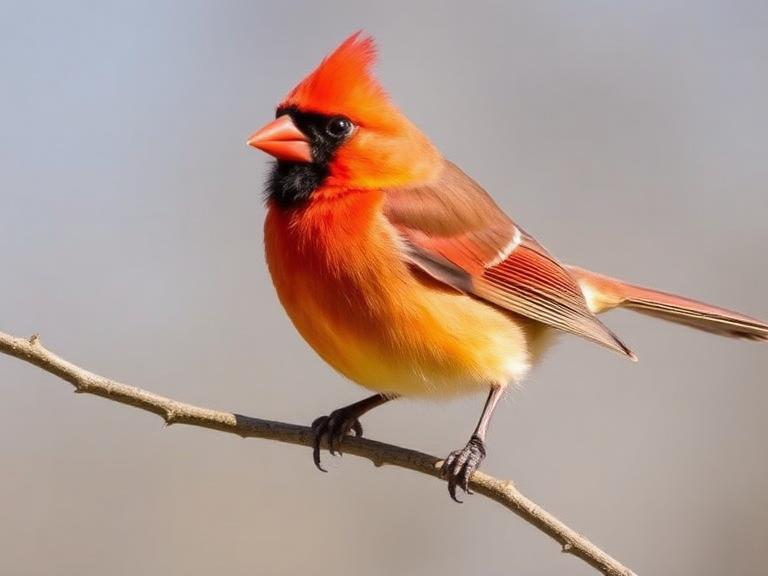
The male Cardinal is instantly recognizable by its brilliant red plumage and distinctive crest. Its popularity stems from its striking appearance and its non-migratory nature; Cardinals stay put year-round, brightening snowy winter landscapes. For the states that claim it, the Cardinal represents the vibrancy of life even in the coldest months. Its strong, clear whistle is one of the first bird songs heard in spring, making it a beloved symbol of renewal.
The Western Meadowlark: The Prairie Icon
Coming in second place is the Western Meadowlark (Sturnella neglecta), which represents six states: Kansas, Montana, Nebraska, North Dakota, Oregon, and Wyoming.
This bird was chosen to represent the heartland of America. With its bright yellow breast adorned with a black “V” bib, the Western Meadowlark is the voice of the Great Plains. It is often seen perched on fence posts, belting out a flute-like song that defines the open prairie. Its selection by so many western and midwestern states highlights the shared ecological heritage of the American plains.
The Northern Mockingbird: The Southern Songster
Representing five states—Arkansas, Florida, Mississippi, Tennessee, and Texas—the Northern Mockingbird (Mimus polyglottos) is famous for its vocal abilities. The scientific name Mimus polyglottos translates to “many-tongued mimic,” a fitting description for a bird that can learn up to 200 different songs in its lifetime.
The Mockingbird is a fierce defender of its nest, a trait that resonated with Southern identity. Its ability to mimic other birds, insects, and even mechanical sounds made it a source of entertainment and wonder for early settlers, securing its place as an icon of the American South.
A Geographic Tour of State Birds
To truly appreciate the diversity of state birds, one must look at the geography. The birds of the Pacific Coast differ vastly from those of the Atlantic, reflecting the varied climates and topographies of the nation.
Northeastern State Birds
In the Northeast, the landscape is dominated by dense forests and rocky coastlines. Here, you will find the Black-capped Chickadee (Massachusetts and Maine) and the Purple Finch (New Hampshire). These small, hardy birds are well-adapted to colder climates and dense woodlands. The American Robin (Connecticut, Michigan, and Wisconsin) is also prevalent here, serving as a harbinger of spring for many northern states.
The Ruffed Grouse (Pennsylvania) stands out as a game bird choice, reflecting the state’s strong hunting traditions. Unlike the songbirds chosen by neighbors, the Grouse represents the wild, rugged nature of the Appalachian forests.
Southern State Birds
The South is defined by its wetlands, pine forests, and agricultural history. The Brown Pelican (Louisiana) is perhaps the most iconic visual match for a state, representing the coastal bayous and fishing heritage of the region. It is the only state bird that appears on a state flag.
In the deeper South, the Carolina Wren (South Carolina) and the Brown Thrasher (Georgia) represent the lush, shrubby habitats of the region. The Northern Mockingbird dominates the central South, bridging the gap between the eastern woodlands and the western plains.
Midwestern State Birds
The Midwest is a blend of the “Big Three” species. The Cardinal and the Robin are common here, but the region also boasts unique selections like the American Goldfinch (Iowa and Washington—though Washington is technically Pacific Northwest, the Goldfinch is common in the Midwest). The Goldfinch, with its lemon-yellow plumage, is a favorite for its cheerful appearance and late-summer nesting habits.
The Ring-necked Pheasant (South Dakota) is another outlier. An introduced species from Asia, it thrived in the Dakota grasslands and became a symbol of the state’s hunting economy, proving that not all state birds are native to North America.
Western State Birds
The West offers the most unique and specialized list of state birds, largely due to the distinct ecosystems ranging from deserts to rainforests.
- California Quail (California): With its distinctive plume of feathers atop its head, this bird is perfectly adapted to the chaparral and scrubland of the Golden State.
- Lark Bunting (Colorado): A bird of the high plains and shortgrass prairie, the male Lark Bunting turns strikingly black and white during breeding season.
- Mountain Bluebird (Idaho and Nevada): This electric-blue thrush prefers open country at high elevations, symbolizing the clear skies and rugged mountains of the Rockies.
- Willow Ptarmigan (Alaska): This bird changes its plumage from brown in summer to pure white in winter, a necessary adaptation for survival in the Arctic tundra.
Unique and Unusual State Birds
While many states share their symbols, a few have chosen birds that are entirely unique to their borders or possess strange backstories.
Hawaii’s Nene: The Lone Goose
Hawaii is the only state to have a goose as its state bird. The Nene (Branta sandvicensis), or Hawaiian Goose, is a descendant of the Canada Goose that arrived on the islands thousands of years ago. Over time, it evolved to have less webbing on its feet to navigate the rough lava plains. It is the rarest state bird, having been hunted to near extinction before conservation efforts saved it. Its presence on the list of state birds serves as a reminder of the islands’ fragile and unique ecosystem.
The Rhode Island Red: An Agricultural Symbol
Rhode Island broke the mold by choosing a domestic chicken—the Rhode Island Red. This bird is a breed of domestic chicken developed in the state during the late 19th century. It was chosen not for its song or wild beauty, but for its economic importance. The Rhode Island Red became a symbol of the state’s agricultural prowess and is one of the few state symbols that is also a commercially significant animal.
Utah’s California Gull: A Miracle in the Desert
Perhaps the most specific origin story belongs to the California Gull (Utah). While it seems odd for a landlocked state to choose a gull, the choice commemorates a specific historical event: the “Miracle of the Gulls” in 1848. Mormon settlers in the Salt Lake Valley were facing starvation as crickets devoured their crops. Flocks of California Gulls arrived from the Great Salt Lake and consumed the crickets, saving the harvest. This bird remains a symbol of divine intervention and survival for the state.
Louisiana’s Brown Pelican: A Symbol of Resilience
The Brown Pelican is the state bird of Louisiana. The pelican has been a symbol of the state since colonial times, representing self-sacrifice (an old legend stated pelicans would wound themselves to feed their young). However, the bird faced extinction in the 1960s due to pesticide use (DDT). Through rigorous conservation and banning DDT, the pelican returned to the Louisiana coast. Today, it stands not just as a historical symbol, but as a modern emblem of successful environmental conservation among state birds.
The Controversy and Politics of Choosing State Birds
Choosing a state bird is rarely a simple matter of picking the prettiest flier. It involves politics, economics, and sometimes heated public debate.
The Great Debate: Game Birds vs. Songbirds
A recurring tension in the designation of state birds is the divide between game birds and songbirds. Hunters and wildlife agencies often push for species like the Pheasant, Bobwhite Quail (an early candidate in many states), or Wild Turkey, as they drive revenue through hunting licenses.
Conversely, birding clubs and women’s groups often advocated for songbirds, viewing them as “nobler” symbols that represent peace and beauty. This is why the Wild Turkey, proposed by Benjamin Franklin as the national bird, appears as a state bird for no state (though Massachusetts flirted with the idea). The preference for the aesthetic appeal of songbirds over the utilitarian value of game birds has shaped the list we see today.
Modern Movements to Change State Symbols
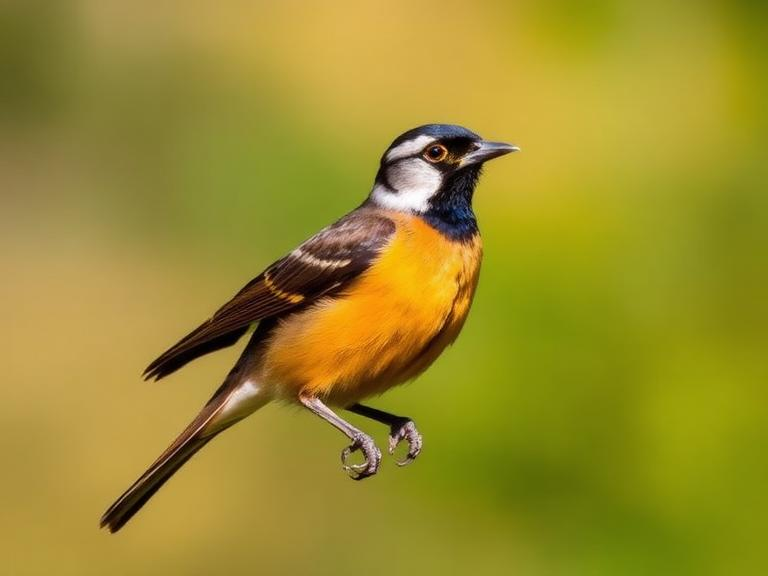
In recent years, there have been movements to change state birds. Some ornithologists argue that certain birds no longer represent the state accurately due to climate change or range shifts. For instance, some have suggested that states sharing the Cardinal should switch to a more unique species to distinguish themselves.
Furthermore, in Idaho, there was a significant debate when the legislature debated shifting the state raptor (distinct from the state bird) to the Peregrine Falcon. These debates show that state symbols are not static; they evolve as the values and environments of the states change.
The Role of State Birds in Education and Conservation
State birds are powerful tools for education. They are often the first bird a child learns to identify, serving as a gateway to broader ecological awareness.
Birdwatching as a Gateway to Nature
Teachers frequently use state birds to teach lessons on biology, migration, and geography. By tracking the arrival of the American Robin or the feeding habits of the Chickadee, students learn observation skills and scientific inquiry. Organizations like the Audubon Society utilize the popularity of these birds to promote citizen science projects, such as the annual Christmas Bird Count, which relies on everyday citizens to track bird populations.
Endangered Species and Protection Efforts
Highlighting a species as a state bird can also confer a degree of protection. When a bird becomes a symbol of state pride, harming it becomes socially and politically unacceptable. The recovery of the Brown Pelican and the Nene are direct result of the attention brought to them as state symbols. As habitat loss continues to threaten avian populations, the status of “state bird” provides a platform for conservation funding and public awareness.
How to Identify Your Local State Bird
For those inspired to step outside and spot their local representative, knowing what to look for is key.
Key Identification Markers
When identifying state birds, look for three main features:
- Plumage Color and Pattern: The bright red of the Cardinal or the yellow breast of the Meadowlark are immediate giveaways. However, remember that females often look different (female Cardinals are brown).
- Size and Shape: The long tail of the Scissor-tailed Flycatcher or the crest of the Cardinal are structural identifiers that are visible even in poor light.
- Song: For birds like the Mockingbird or the Meadowlark, the song is the most reliable identifier. Apps like Merlin Bird ID can help match the song to the species.
Seasonal Variations and Molting
Many state birds change their appearance based on the season. The Willow Ptarmigan of Alaska turns white in winter for camouflage. The American Goldfinch of Iowa and Washington molts into a dull olive color during winter, often confusing beginners who only know the bright yellow summer male. Understanding these cycles is part of mastering bird identification.
State Birds and State Flowers: The Perfect Pairing
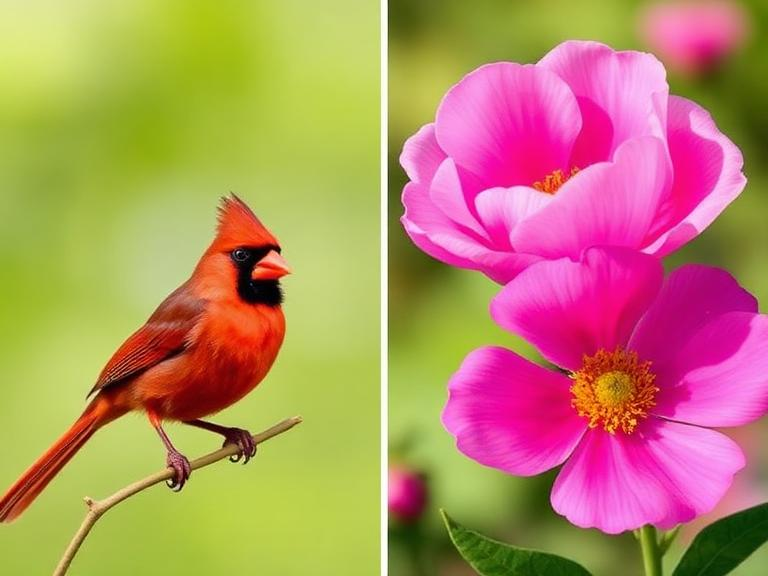
State birds rarely exist in a vacuum; they are often paired with a state flower. This botanical and biological pairing creates a complete ecosystem symbol. For example, the Indiana state bird is the Northern Cardinal, and the state flower is the Peony. While the Peony is not a native plant, the imagery of the red bird against the pink bloom is a staple of Indiana iconography.
In contrast, the Arizona Cactus Wren pairs naturally with the Saguaro Cactus Blossom. The wren builds its nests inside the protective spines of the Saguaro cactus, making the two symbols biologically inseparable. When studying state birds, looking at the associated flower often provides clues about the bird’s natural habitat.
Comprehensive Chart of All 50 State Birds
For quick reference, here is the complete list of official state birds for every state in the USA:
| State | State Bird | Year Adopted |
|---|---|---|
| Alabama | Yellowhammer (Northern Flicker) | 1927 |
| Alaska | Willow Ptarmigan | 1955 |
| Arizona | Cactus Wren | 1931 |
| Arkansas | Northern Mockingbird | 1929 |
| California | California Quail | 1931 |
| Colorado | Lark Bunting | 1931 |
| Connecticut | American Robin | 1943 |
| Delaware | Blue Hen Chicken | 1939 |
| Florida | Northern Mockingbird | 1927 |
| Georgia | Brown Thrasher | 1935 |
| Hawaii | Nene (Hawaiian Goose) | 1957 |
| Idaho | Mountain Bluebird | 1931 |
| Illinois | Northern Cardinal | 1929 |
| Indiana | Northern Cardinal | 1933 |
| Iowa | Eastern Goldfinch | 1933 |
| Kansas | Western Meadowlark | 1937 |
| Kentucky | Northern Cardinal | 1926 |
| Louisiana | Brown Pelican | 1966 |
| Maine | Black-capped Chickadee | 1927 |
| Maryland | Baltimore Oriole | 1947 |
| Massachusetts | Black-capped Chickadee | 1941 |
| Michigan | American Robin | 1931 |
| Minnesota | Common Loon | 1961 |
| Mississippi | Northern Mockingbird | 1944 |
| Missouri | Eastern Bluebird | 1927 |
| Montana | Western Meadowlark | 1931 |
| Nebraska | Western Meadowlark | 1929 |
| Nevada | Mountain Bluebird | 1967 |
| New Hampshire | Purple Finch | 1957 |
| New Jersey | Eastern Goldfinch | 1935 |
| New Mexico | Greater Roadrunner | 1949 |
| New York | Eastern Bluebird | 1970 |
| North Carolina | Northern Cardinal | 1943 |
| North Dakota | Western Meadowlark | 1947 |
| Ohio | Northern Cardinal | 1933 |
| Oklahoma | Scissor-tailed Flycatcher | 1951 |
| Oregon | Western Meadowlark | 1927 |
| Pennsylvania | Ruffed Grouse | 1931 |
| Rhode Island | Rhode Island Red | 1954 |
| South Carolina | Carolina Wren | 1948 |
| South Dakota | Ring-necked Pheasant | 1943 |
| Tennessee | Northern Mockingbird | 1933 |
| Texas | Northern Mockingbird | 1927 |
| Utah | California Gull | 1955 |
| Vermont | Hermit Thrush | 1941 |
| Virginia | Northern Cardinal | 1950 |
| Washington | Willow Goldfinch | 1951 |
| West Virginia | Northern Cardinal | 1949 |
| Wisconsin | American Robin | 1949 |
| Wyoming | Western Meadowlark | 1927 |
Frequently Asked Questions (FAQs) About State Birds
Q: Which state bird is shared by the most states?
A: The Northern Cardinal is the most popular state bird, representing seven states: Illinois, Indiana, Kentucky, North Carolina, Ohio, Virginia, and West Virginia.
Q: Are all state birds native to their states?
A: Most are, but there are exceptions. The Ring-necked Pheasant (South Dakota) is native to Asia, and the Rhode Island Red is a domesticated breed.
Q: Which state was the last to choose a state bird?
A: Arizona was among the last to adopt a state bird in 1931, but the timeline varies. Most selections were finalized between 1927 and the 1950s.
Q: Can a state have more than one bird?
A: Yes. Some states have a “state bird” and a “state game bird” (like Alabama and the Wild Turkey) or a “state raptor” (like Idaho and the Peregrine Falcon).
Q: Why are state birds important?
A: They serve as symbols of local identity, promote tourism, and raise awareness for conservation efforts. They also provide a fun, accessible entry point for citizens to learn about local wildlife.
Conclusion: Appreciating Our Feathered Representatives
The story of state birds is a quintessentially American story. It is a narrative of local pride, natural wonder, and the democratic process. From the tropical Nene of Hawaii to the hardy Ptarmigan of Alaska, these birds paint a vivid picture of the nation’s ecological diversity.
Whether you are a seasoned ornithologist or a casual observer in your backyard, taking the time to learn about and appreciate your state bird connects you to the land and history of your home. These avian ambassadors remind us that nature is not just a backdrop to our lives, but an integral part of our heritage. Next time you see a flash of red in the trees or hear a melody from a fence post, take a moment to recognize the history and symbolism of the bird before you.
Related Posts

10 Powerful Benefits of Nature’s Blend Dog Food You Should Know
Nature's Blend dog food offers high-quality ingredients, strong nutritional value,…