Introduction to Tesla Transformator
The tesla transformator is one of the most fascinating electrical devices ever invented. Known for producing extremely high voltages and dramatic electrical arcs, it remains a symbol of innovation, experimentation, and futuristic energy concepts. Even today, students, engineers, and science enthusiasts are captivated by the tesla transformator’s ability to transmit energy wirelessly and generate powerful electromagnetic effects.
This article provides a complete explanation of the tesla transformator—how it works, where it’s used, and why it still matters.
What Is a Tesla Transformator?
Definition and Core Concept
A Tesla transformer is an electrical transformer that uses resonant circuits to generate very high voltage at high frequencies. Unlike conventional transformers, it does not rely on iron cores but instead uses air-core coils to achieve resonance.
Its main purpose is to transform low-voltage electrical energy into extremely high-voltage, low-current electricity.
Difference Between Tesla Transformator and Traditional Transformers
| Feature | Tesla Transformator | Traditional Transformer |
|---|---|---|
| Core Type | Air core | Iron core |
| Voltage Output | Extremely high | Moderate |
| Frequency | High frequency | Low frequency |
| Application | Experimental, research | Power distribution |
History of the Tesla Transformator
Nikola Tesla’s Vision and Experiments
The tesla transformator was invented by Nikola Tesla in the late 19th century. Tesla aimed to explore wireless energy transmission and high-frequency electricity. His experiments laid the foundation for modern radio technology, wireless communication, and electromagnetic research.
Early Inventions and Scientific Impact
Tesla used the transformator in groundbreaking demonstrations, showing how electricity could be transmitted without wires. These experiments shocked audiences and revolutionized scientific thinking at the time.
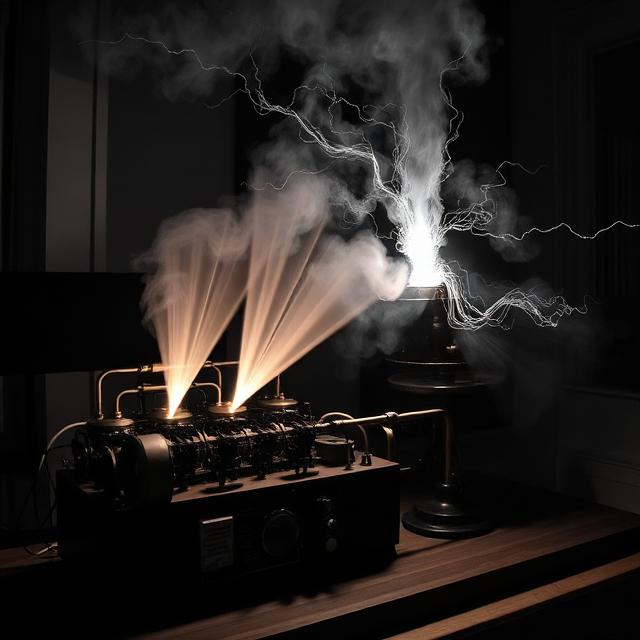
How a Tesla Transformator Works
Resonance and High-Frequency Operation
The tesla transformator works on the principle of resonance. When the primary and secondary coils resonate at the same frequency, energy transfers efficiently between them, producing massive voltage amplification.
Role of Coils, Capacitors, and Spark Gaps
Key operational steps include:
- Power charges the capacitor
- Energy discharges into the primary coil
- Magnetic fields induce current in the secondary coil
- High-voltage arcs are produced
This cycle repeats rapidly, creating continuous electrical output.
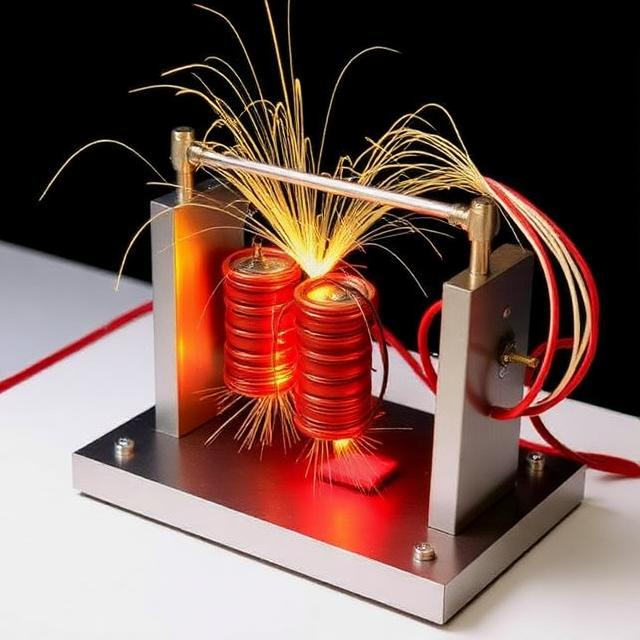
Main Components of a Tesla Transformator
Primary Coil
The primary coil is made of thick wire with a few turns. It handles high current and creates the initial magnetic field.
Secondary Coil
The secondary coil has many turns of thin wire and is responsible for producing the high voltage output.
Power Source and Capacitor
The power source supplies energy to capacitors, which store and release it during operation.
Types of Tesla Transformators
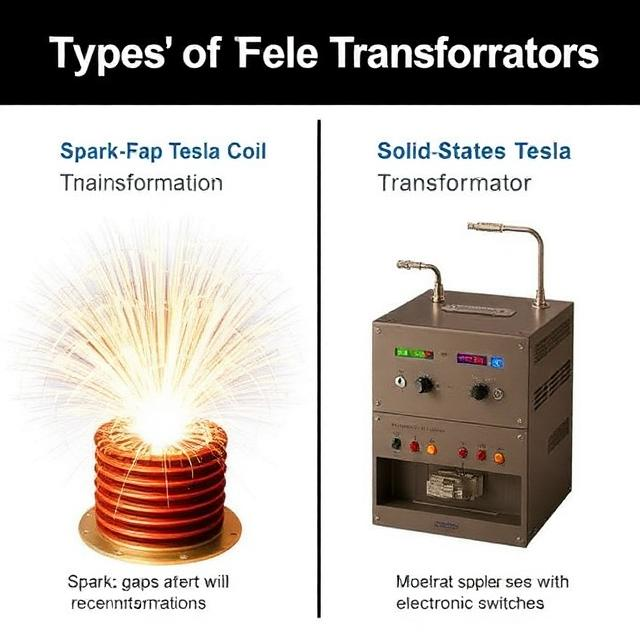
Spark-Gap Tesla Coil
This traditional design uses spark gaps to control energy discharge. It is popular in educational demonstrations due to its visual impact.
Solid-State Tesla Transformator
Modern versions replace spark gaps with electronic switches, offering better control, efficiency, and reliability.
Practical Applications of Tesla Transformator
Scientific Research and Education
The tesla transformator is widely used in:
- Physics classrooms
- Electrical engineering labs
- Science museums
It helps explain concepts like resonance, electromagnetic fields, and high-frequency currents.
Wireless Power Demonstrations
Tesla’s dream of wireless electricity lives on in demonstrations where bulbs light up without physical connections.
Advantages and Limitations
Benefits of High-Voltage Generation
- Produces extremely high voltage
- Enables wireless energy experiments
- Demonstrates advanced electrical principles
Technical and Safety Limitations
- Low efficiency for power transmission
- High risk if mishandled
- Not suitable for commercial power grids
Safety Considerations and Risks
Operating a tesla transformator can be dangerous. Key safety tips include:
- Never touch active components
- Use proper insulation
- Maintain safe distances
- Operate only in controlled environments
High voltage can cause severe injury even at low current levels.
Tesla Transformator vs Modern Electrical Systems
While modern electrical grids prioritize efficiency and safety, the tesla transformator remains a research and educational tool rather than a power solution. However, its principles still influence wireless charging and radio frequency technologies.
Frequently Asked Questions (FAQs)
1. What is a tesla transformator used for?
Primarily for research, education, and demonstrations of high-voltage electricity.
2. Is a tesla transformator dangerous?
Yes, improper use can cause serious injury.
3. Can it transmit power wirelessly?
Yes, but only over short distances with low efficiency.
4. Is it still relevant today?
Absolutely. Its principles are foundational to modern electronics.
5. Who invented the tesla transformator?
Nikola Tesla.
6. Can beginners build one?
Only with proper guidance, safety equipment, and supervision.
Conclusion and Future Relevance
The tesla transformator remains one of the most iconic electrical inventions in history. While it may not power cities, its influence extends into modern wireless technologies, scientific education, and experimental physics. Understanding how it works offers valuable insight into the foundations of electrical engineering and Nikola Tesla’s visionary ideas.
Related Posts

Looks Good to Me Meaning: LGTM in Work, Text & Code Explained
What does "looks good to me meaning" (LGTM) really mean?…

Bobs Furniture: 9 Powerful Reasons It’s America’s Smartest Home Upgrade Choice
Bobs furniture offers affordable, stylish, and durable home furnishings across…

OMA Warszawa: Complete Guide to Warsaw’s Open Museum of Art
Discover OMA Warszawa – Warsaw’s innovative open museum of art.…