Learn how to make the Texas Roadhouse corn recipe, famous sweet corn, at home with this easy copycat recipe. Includes ingredient tips, step-by-step instructions, variations, and insider secrets for perfect results.
Texas Roadhouse has built a loyal following not just for their hand-cut steaks and fall-off-the-bone ribs, but also for their incredibly addictive side dishes. Among these, the sweet, buttery corn has become a fan favorite that keeps diners coming back. The good news is that recreating this restaurant-quality side dish at home is surprisingly simple, requiring just a handful of ingredients and about fifteen minutes of your time. This comprehensive guide will walk you through everything you need to know to make perfect Texas Roadhouse-style corn in your own kitchen.
What Makes Texas Roadhouse Corn Special?
Unlike plain boiled or steamed corn, Texas Roadhouse corn is distinguished by its sweet, rich flavor and creamy texture. The restaurant’s version achieves this through a combination of quality sweet corn, generous amounts of butter, a touch of sugar for enhanced sweetness, and careful seasoning that creates a perfectly balanced side dish.
The corn arrives at your table piping hot, glistening with butter, and seasoned to perfection. Each kernel bursts with sweetness while maintaining a pleasant bite rather than becoming mushy. The overall effect is comfort food at its finest—simple ingredients elevated through proper technique and generous proportions.
What makes this recipe particularly appealing for home cooks is its versatility and ease. You can prepare it with fresh, frozen, or canned corn, depending on what’s available and convenient. The cooking process takes less time than most side dishes, making it perfect for weeknight dinners or special occasions when you need something crowd-pleasing without complicated preparation.
Essential Ingredients for Texas Roadhouse Corn
The beauty of this recipe lies in its simplicity. You’ll need just five basic ingredients:
Corn: The foundation of the dish, you’ll need about 4 cups of corn kernels. This translates to approximately 6-8 ears of fresh corn, two 16-ounce bags of frozen corn, or about three 15-ounce cans of whole kernel corn, drained. Fresh corn provides the best flavor during peak season, but frozen corn works remarkably well year-round and is often more convenient.
Butter: Use 4-6 tablespoons of real butter, not margarine or butter substitutes. The butter is what creates the rich, luxurious mouthfeel that makes this corn irresistible. Texas Roadhouse doesn’t skimp on butter, and neither should you. Using salted butter adds a subtle savory note, while unsalted butter gives you more control over the final seasoning.
Sugar: Add 2-3 tablespoons of granulated white sugar. This might seem like a lot, but the sugar doesn’t make the corn taste overtly sweet like candy. Instead, it enhances the natural sweetness of the corn and balances the richness of the butter. The sugar also helps create a slightly glossy coating that makes the dish visually appealing.
Salt: Use 1/2 to 1 teaspoon of salt, depending on whether you used salted or unsalted butter. Salt is crucial for bringing out all the flavors and preventing the dish from tasting flat or one-dimensional.
Water: You’ll need about 1/2 cup of water to help steam the corn and create the sauce that coats each kernel. The water prevents the butter from separating and helps distribute the sugar evenly throughout the dish.
Step-by-Step Instructions
Making Texas Roadhouse-style corn is remarkably straightforward, but attention to detail ensures the best results.
Step 1: Prepare Your Corn
If using fresh corn, shuck the ears and remove all silk. Stand each ear upright on a cutting board and carefully slice downward with a sharp knife to remove the kernels. Work around the entire ear, getting as close to the cob as possible without cutting into the woody core. Fresh corn from the cob provides the best texture and flavor, particularly during the summer months when corn is at its peak.
If using frozen corn, there’s no need to thaw it first. You can add it directly to the pan from the freezer, though you may need to add an extra minute or two to the cooking time.
For canned corn, drain it thoroughly in a colander and give it a quick rinse to remove excess sodium and any metallic taste from the can.
Step 2: Combine Ingredients in Your Pan
Select a large skillet or sauté pan with a lid. A 12-inch pan works well for a full recipe. Add the corn kernels, butter, sugar, salt, and water to the pan. Don’t turn on the heat yet—starting with everything cold allows the ingredients to heat together gradually, which helps them combine more evenly.
Step 3: Heat and Stir
Place the pan over medium heat. As the butter begins to melt, stir the corn mixture to distribute the melting butter and dissolved sugar evenly. Continue stirring occasionally as the mixture comes up to temperature. You should see the butter completely melt, and the sugar dissolve into a glossy coating.
Step 4: Cover and Simmer
Once the mixture is heated through and bubbling gently, reduce the heat to medium-low. Cover the pan with a lid to trap steam and heat. This steaming process ensures the corn kernels cook through evenly and become tender. Let it simmer for 8-10 minutes if using frozen or fresh corn. Canned corn only needs about 5-6 minutes since it’s already fully cooked.
Step 5: Uncover and Reduce
Remove the lid and increase the heat slightly to medium. Continue cooking for another 3-5 minutes, stirring occasionally, until most of the liquid has evaporated and the remaining butter-sugar mixture coats the corn in a glossy glaze. The corn should look shiny, and the liquid should have reduced to a syrupy consistency rather than a watery pool.
Step 6: Taste and Adjust
This is the crucial final step that separates good corn from great corn. Taste the corn and adjust the seasoning as needed. If it needs more sweetness, add another 1/2 tablespoon of sugar. If it tastes flat, add a pinch more salt. If it seems dry, stir in another tablespoon of butter. This final seasoning adjustment ensures your corn matches your personal preferences.
Step 7: Serve Immediately
Transfer the corn to a serving bowl while it’s still hot. The corn tastes best when served immediately, as the butter coating is at its most appealing when the dish is freshly made and piping hot.
Pro Tips for Perfect Results
Several techniques and considerations will help you achieve restaurant-quality results:
Don’t Skimp on Butter: Texas Roadhouse is known for generous portions of butter in all its dishes. While you can reduce the butter slightly if desired, using less than 4 tablespoons significantly changes the character of the dish. The butter is what makes this corn special rather than ordinary.
Use Real Butter: Margarine or butter substitutes don’t provide the same rich flavor and creamy texture. Real butter is essential for authentic results. If you want to use a butter alternative for dietary reasons, consider using ghee, which provides similar richness with a slightly nutty flavor.
Adjust Sugar to Corn Sweetness: The amount of sugar you need varies depending on the natural sweetness of your corn. Fresh summer corn at peak season is incredibly sweet and may need only 2 tablespoons of sugar, while frozen corn or out-of-season fresh corn might benefit from the full 3 tablespoons. Always taste and adjust.
Avoid Overcooking: The most common mistake is cooking the corn too long, which creates a mushy texture. Fresh and frozen corn should maintain a slight firmness. You want tender kernels that still have a bit of pleasant bite rather than complete softness.
Stir Gently: When stirring the corn, use a gentle folding motion rather than aggressive stirring. This prevents the kernels from breaking apart while still ensuring even distribution of the butter and sugar coating.
Control Your Heat: Medium heat is your friend with this recipe. Too high heat can cause the butter to separate or the sugar to caramelize too quickly, creating an uneven flavor. Medium heat allows everything to meld together smoothly.
Variations and Customizations
While the classic Texas Roadhouse corn recipe is perfect as written, you can customize it to suit your preferences or create interesting variations:
Spicy Southwest Corn: Add 1/2 teaspoon of chili powder, 1/4 teaspoon of cumin, and a pinch of cayenne pepper along with the other seasonings. Finish with a squeeze of fresh lime juice and chopped cilantro for a Southwestern twist that pairs beautifully with Mexican-inspired meals.
Garlic Butter Corn: Sauté 2-3 minced garlic cloves in the butter for about 30 seconds before adding the corn. The garlic adds savory depth that complements the sweetness. Be careful not to burn the garlic, as burnt garlic tastes bitter.
Herb-Infused Corn: Add fresh herbs during the last few minutes of cooking. Chopped fresh parsley, basil, or thyme works particularly well. Fresh herbs add brightness and complexity that elevate the dish from simple side to something special.
Bacon Corn: Cook 4 slices of bacon until crispy, then crumble and set aside. Use 2 tablespoons of the bacon drippings in place of 2 tablespoons of the butter. Stir the crumbled bacon into the finished corn. This creates an incredibly rich, savory version that bacon lovers will adore.
Cheesy Corn: Stir in 1/4 cup of grated Parmesan cheese or 1/2 cup of shredded cheddar cheese during the last minute of cooking. The residual heat will melt the cheese into the butter, creating a rich, creamy coating.
Honey Butter Corn: Replace 1 tablespoon of the sugar with 1 tablespoon of honey for a more complex sweetness with subtle floral notes. Honey also adds a beautiful sheen to the finished dish.
Choosing the Best Type of Corn
Each corn option has advantages and considerations:
Fresh Corn on the Cob: Provides the best flavor and texture when in season, typically from May through September, depending on your location. Look for corn with bright green, tightly wrapped husks and golden-brown silk at the top. The kernels should be plump and milky when pierced. Fresh corn requires more preparation time but delivers superior sweetness and a satisfying snap to each kernel.
Frozen Corn: Offers excellent quality year-round and requires no preparation. Frozen corn is picked at peak ripeness and frozen immediately, preserving sweetness and nutrients. It’s incredibly convenient and often more consistent in quality than out-of-season fresh corn. Look for bags without excessive ice crystals, which indicate the corn has been partially thawed and refrozen.
Canned Corn: The most convenient option and perfectly acceptable for this recipe, though it has the softest texture of the three options. Drain canned corn thoroughly and rinse it if you’re sensitive to sodium. Canned corn works best when fresh or frozen aren’t available or when you need to make the dish quickly without any preparation.
For the most authentic Texas Roadhouse experience, frozen corn provides the best balance of convenience, consistency, and quality. However, if you have access to fresh summer corn, use it—the flavor is unbeatable.
Serving Suggestions and Pairings
Texas Roadhouse corn pairs beautifully with countless main dishes, making it one of the most versatile side dishes in your repertoire:
Classic Steakhouse Meals: Serve alongside grilled steaks, prime rib, or beef brisket for an authentic steakhouse experience. The sweet corn complements rich, savory beef perfectly.
Barbecue Favorites: Pair with pulled pork, ribs, smoked chicken, or beef brisket. The sweetness of the corn balances smoky barbecue flavors beautifully.
Chicken Dishes: Serve with fried chicken, grilled chicken breasts, or chicken tenders. The corn adds color and flavor contrast to simple chicken preparations.
Seafood: While less traditional, the corn works wonderfully with grilled shrimp, fish tacos, or crab cakes, particularly when you add lime and cilantro for a coastal twist.
Casual Family Dinners: Pair with meatloaf, burgers, hot dogs, or chicken nuggets for kid-friendly meals that please the whole family.
The corn also works well as part of a larger spread of side dishes. Serve it alongside mashed potatoes, green beans, coleslaw, or mac and cheese for a classic American comfort food feast.
Storage and Reheating
While Texas Roadhouse corn tastes best fresh, you can store leftovers successfully:
Refrigeration: Store leftover corn in an airtight container in the refrigerator for up to 4 days. The butter will solidify when cold, but this doesn’t affect the quality.
Reheating: For best results, reheat the corn in a skillet over medium-low heat, stirring occasionally until heated through. The gentle heat prevents overcooking while allowing the butter to melt evenly again. You can also microwave the corn in a covered microwave-safe bowl in 30-second intervals, stirring between each, until hot throughout.
Add a pat of butter when reheating if the corn seems dry. The corn may absorb some of the butter coating as it sits, so a little extra butter during reheating restores the glossy appearance and rich flavor.
Freezing: You can freeze the cooked corn for up to 3 months. Cool it completely before transferring to freezer-safe containers or bags. Thaw in the refrigerator overnight before reheating. The texture will be slightly softer after freezing, but the flavor remains good.
Common Mistakes to Avoid
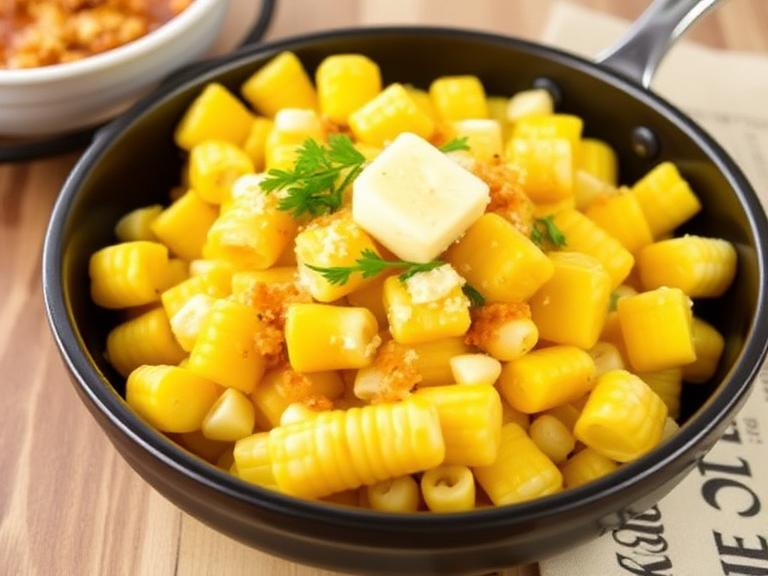
Using Too Little Butter: The generous butter is what makes this restaurant corn special. Using only a tablespoon or two creates corn that tastes more home-cooked than restaurant-style.
Forgetting to Reduce the Liquid: If you skip the final uncovered cooking step, your corn will be sitting in a pool of watery liquid rather than coated in a glossy glaze. Take the extra few minutes to reduce the liquid properly.
Overcooking: Corn becomes mushy quickly when overcooked. Pay attention to timing and test the corn by tasting a kernel. It should be tender but still have some structure.
Skipping the Taste Test: Always taste and adjust seasoning before serving. What seems like enough salt and sugar during cooking may need adjustment once the flavors have melded together.
Using Cold Corn with Hot Butter: If you’re using room temperature or refrigerated corn, the temperature difference can cause the butter to separate. Start everything together in a cold pan for the most cohesive result.
Why This Recipe Works
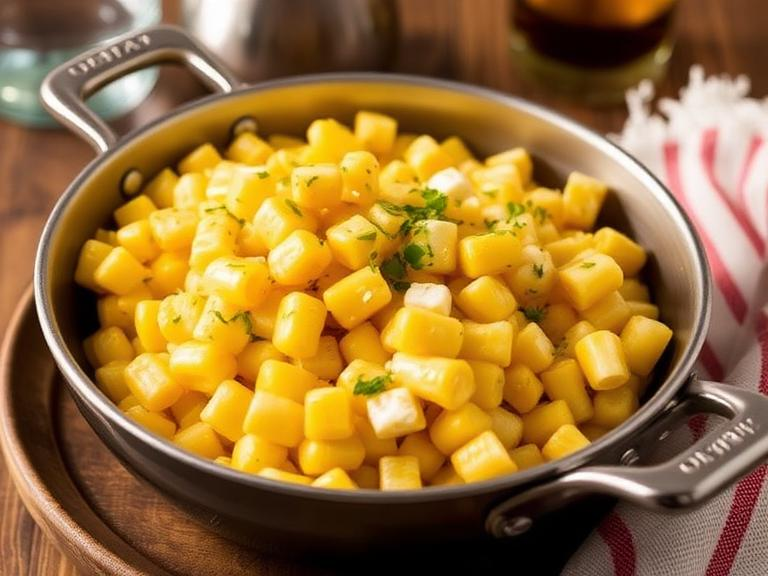
The magic of Texas Roadhouse corn comes from the interaction of its simple ingredients. The butter provides richness and helps carry flavor throughout the dish. The sugar enhances the corn’s natural sweetness without making it taste like dessert. The salt balances the sweetness and brings out the corn’s flavor. The water creates steam that cooks the corn evenly while forming a sauce with the butter and sugar.
The cooking method—simmering covered, then reducing uncovered—ensures tender corn with a glossy coating rather than a soup-like consistency. This technique is similar to what restaurants use, allowing home cooks to achieve professional results with basic equipment.
Making It Your Own
While following the recipe as written produces excellent results that closely mimic Texas Roadhouse’s version, don’t be afraid to adjust it to your family’s preferences. Some families prefer less sweetness and use only 1-2 tablespoons of sugar. Others love garlic and add it to every batch. Some people make it healthier by reducing the butter to 3 tablespoons, while others embrace the indulgence and use 8 tablespoons for special occasions.
The beauty of this recipe is its flexibility. Once you understand the basic technique, you can experiment with add-ins, seasonings, and proportions until you create your perfect version. Keep notes on what you change so you can replicate successful variations.
Frequently Asked Questions
Can I make this with corn still on the cob?
While you could technically boil corn on the cob and then brush it with butter and sprinkle it with sugar and salt, you won’t achieve the same result. The magic happens when the corn kernels are combined with butter, sugar, and water in a pan, allowing the flavors to infuse each kernel evenly. Cutting the corn off the cob is worth the extra effort.
Is this corn really as sweet as Texas Roadhouse?
Yes, when made correctly with the right proportions of sugar and butter, this copycat recipe comes remarkably close to the restaurant version. If your corn isn’t sweet enough, add another 1/2 tablespoon of sugar and taste again.
Can I reduce the butter and sugar to make it healthier?
You can reduce both, but this significantly changes the character of the dish. If health is a concern, consider using 3 tablespoons of butter and 1-2 tablespoons of sugar. The result will be lighter but won’t taste exactly like the restaurant version.
Why is my corn watery?
You likely didn’t cook it long enough during the final uncovered step. Continue cooking until most of the liquid evaporates and what remains is thick and syrupy rather than thin and watery.
Can I double this recipe?
Absolutely. Use a very large skillet or divide the recipe between two pans. Cooking time remains approximately the same, though you may need an extra minute or two for larger volumes.
Conclusion
Texas Roadhouse corn proves that simple ingredients prepared with care can create something truly special. This recipe delivers restaurant-quality results without requiring professional equipment or culinary expertise. Whether you’re recreating a beloved restaurant experience at home, need a crowd-pleasing side dish for a potluck, or simply want to elevate your weeknight dinner, this sweet, buttery corn hits all the right notes. Master this recipe, and you’ll have a go-to side dish that disappears faster than almost anything else on the table.
Related Posts

Bang Bang Shrimp Recipe (Crispy, Creamy & Better Than Restaurant Style)
If you’ve ever ordered Bang Bang Shrimp at a restaurant,…

10 Fall Overnight Oats Recipes for an Easy, Healthy Breakfast
Discover delicious fall overnight oats recipes! Perfect for meal prep,…

Smoked Turkey Breast: A Delicious Holiday Recipe Smoked Turkey
When it comes to holiday feasts or backyard BBQs, nothing…