Explore Tiger Woods legendary career, 15 major championships, 82 PGA Tour wins, and his inspiring comeback journey. Latest updates on his 2026 Masters return and complete career history.
Tiger Woods stands as one of the most transformational figures in sports history, transcending golf to become a global icon whose influence extends far beyond the fairways. With 15 major championships and 82 PGA Tour victories, tied with Sam Snead, Woods has redefined what’s possible in professional golf while overcoming extraordinary physical challenges that would have ended most careers.
The Latest: Tiger’s 2026 Masters Plans
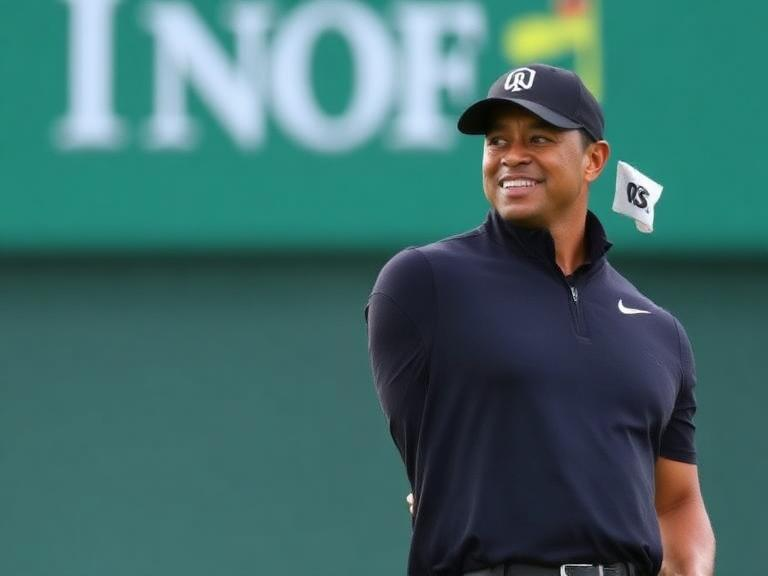
In February 2026, golf fans received encouraging news about Woods’ potential return to competition. At the Genesis Invitational, where he serves as tournament host, Woods confirmed he would not rule out playing in the 2026 Masters, responding with a simple “No” when asked if he’d dismiss the possibility. This came after Woods hadn’t played a competitive round since the Open Championship at Royal Troon in 2024.
The 50-year-old champion has been recovering from significant medical procedures. Woods underwent surgery on a torn Achilles tendon in March 2025, followed by a lumbar disc replacement in his back in October 2025. Despite these setbacks, Woods revealed he has started hitting full shots again, though not well every day.
During Saturday’s CBS broadcast at the Genesis Invitational, when Jim Nantz asked if Woods knew anyone else who would be playing at Augusta National, Woods replied, “I know I’ll be there,” leaving the door open for what could be one of sport’s most remarkable comeback stories.
Early Life and Amateur Dominance
Eldrick Tont “Tiger” Woods was born on December 30, 1975, in Cypress, California. He took an interest in golf at age 6 months, watching as his father hit golf balls into a net and imitating his swing. His nickname “Tiger” honored a Vietnamese soldier and friend of his father, Earl Woods, a retired U.S. Army lieutenant colonel.
Woods’ amateur career was nothing short of extraordinary. He compiled one of the most impressive amateur records in golf history, winning six USGA national championships before turning professional on August 27, 1996, and concluded his amateur career by winning an unprecedented third consecutive U.S. Amateur title. This achievement placed him alongside Bobby Jones in the record books, as Woods and Bobby Jones are the only golfers to have won 10 majors before the age of 30.
Professional Breakthrough and Early Dominance

Woods turned professional in August 1996 at age 20, immediately making an impact. On June 15, 1997, in his 42nd week as a professional, Woods became the youngest-ever No. 1-ranked player in the world.
His first major championship victory at the 1997 Masters announced his arrival as a generational talent. Woods won by 12 strokes in a record-breaking performance, becoming at age 21 the youngest Masters champion ever. The victory carried profound significance beyond golf, as Woods became the first golfer of either African American or Asian descent to win the Masters Tournament, one of the most prestigious events in the sport.
The Historic 2000 Season and Tiger Slam
The year 2000 stands as perhaps the most dominant single season in modern golf history. Woods recorded the lowest single-season scoring average of 67.794 and was the most under par in a single season on the PGA TOUR since 1983 at 263-under. His performance that year defied conventional excellence.
At the U.S. Open, Woods broke or tied nine tournament records in what Sports Illustrated called “the greatest performance in golf history,” winning by a record 15-stroke margin. He followed this with victories at The Open Championship and the PGA Championship, setting up one of golf’s most remarkable achievements.
When Woods won the 2001 Masters, he became the only player to win four consecutive major professional golf titles, although not in the same calendar year. This achievement became known as the “Tiger Slam,” and Woods is the only player to have won all four professional major championships in a row.
By completing this feat, Woods became the youngest to complete the Career Grand Slam of professional major championships at age 24 and only the fifth ever to do so, following Ben Hogan, Gene Sarazen, Gary Player, and Jack Nicklaus.
Records That Define Greatness
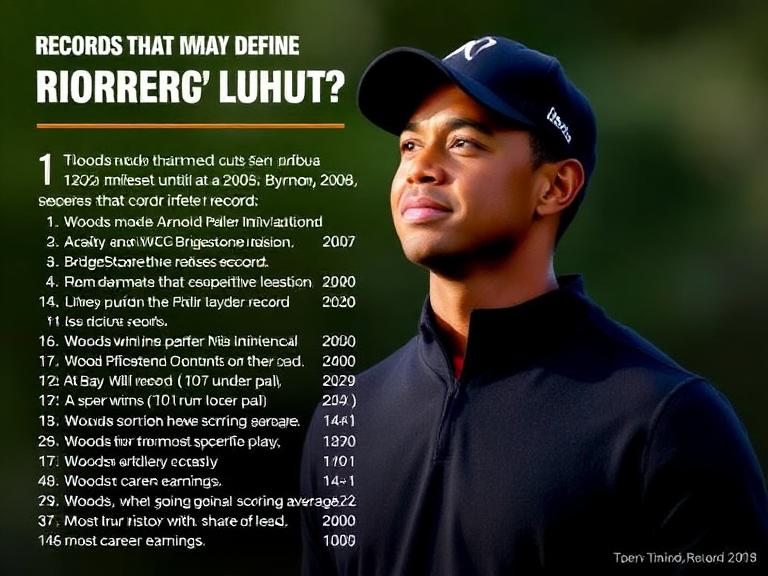
Tiger Woods’ career is distinguished by records that may never be broken. Woods made 142 consecutive cuts from 1998 until a missed cut at the 2005 Byron Nelson, shattering the previous record. This streak exemplifies the consistency that separates Woods from his peers.
His dominance at specific venues became legendary. Woods won the Arnold Palmer Invitational and the WGC Bridgestone Invitational eight times each, tying the PGA Tour record for most wins at a single event. At Bay Hill specifically, from 2000-13, Woods was 109 under par, 73 shots better than any other player.
Woods has the lowest career scoring average in PGA Tour history and the most career earnings. Beyond pure statistics, Woods is 14–1 when going into the final round of a major with at least a share of the lead, demonstrating his ability to close tournaments under the most intense pressure.
Major Championships Breakdown
Woods’ 15 major championship victories tell the story of two decades of excellence. His five Masters victories (1997, 2001, 2002, 2005, 2019) span 22 years, showcasing longevity unmatched in modern golf. He captured four PGA Championships (1999, 2000, 2006, 2007), three U.S. Opens (2000, 2002, 2008), and three Open Championships (2000, 2005, 2006).
The 2008 U.S. Open at Torrey Pines stands among his most remarkable achievements, as Woods won despite playing on a torn ACL and stress fractures in his left leg, demonstrating mental toughness that transcended physical limitations.
The Wilderness Years and Personal Challenges
Beginning in 2009, Woods faced both personal and physical challenges that would test his resilience. Personal difficulties became public, affecting his marriage and endorsements. More significantly, chronic injuries, particularly to his back and knee, began limiting his ability to compete.
Multiple back surgeries followed, including a spinal fusion in 2017 that many believed would end his competitive career. Woods played sparingly, withdrew from numerous events, and at times appeared to be a shadow of his former self. The golf world wondered if they had seen the last of Tiger Woods as a competitive force.
The Miraculous 2019 Masters Victory
On April 14, 2019, Tiger Woods authored one of sports’ greatest comeback stories. Woods stunned the golfing world by winning the Masters for the first time in 14 years, setting a new record for the longest span between wins in that tournament and becoming, at age 43, the second-oldest golfer, after Nicklaus, to win a green jacket.
The victory resonated far beyond golf. Woods had endured four back surgeries, personal struggles, and years of doubt about whether he could compete at the highest level again. His triumph at Augusta National represented redemption, perseverance, and the refusal to accept conventional limitations.
Later that year, Woods won the Zozo Championship, his 82nd Tour victory, tying Sam Snead’s record. This milestone cemented his place alongside the legends who defined golf’s golden era.
Recent Challenges and the Road to Recovery
Woods’ recent years have been marked by continued physical challenges. A serious car accident in February 2021 resulted in severe leg injuries that required emergency surgery and lengthy rehabilitation. Many questioned whether Woods would walk normally again, let alone compete professionally.
Last year marked the first time in his career that Woods did not compete in a single tournament. The combination of the Achilles injury and subsequent disc replacement surgery has created a challenging recovery timeline.
However, Woods remains characteristically determined. Woods acknowledged the challenges, saying, “My body has been through a lot. It’s just one of those things where it’s every day, I keep trying, I keep progressing, I keep working on it, trying to get stronger, trying to get more endurance in this body and trying to get it to a level at which I can play at the highest level again”.
Beyond Competition: TGL and PGA Tour Involvement
While recovering, Woods has remained deeply involved in golf through various ventures. He participates in TGL, the indoor golf league featuring technology-enhanced competition, though he has yet to play in the indoor TGL matches.
Woods has also become a significant voice in shaping professional golf’s future. Woods noted he spends extensive hours in boardrooms working to reshape the PGA Tour schedule, saying, “I thought I spent a lot of hours practicing in my prime. It doesn’t compare to what we’ve done in the boardroom”.
Business Empire and Philanthropy
Beyond the golf course, Woods has built a substantial business empire through TGR, his multibrand enterprise. This includes TGR Design (golf course design), The TGR Foundation (charitable foundation), TGR Live (events production), and The Woods Jupiter (upscale sports restaurant).
The TGR Foundation focuses on education and opportunity for underserved youth. The TGR Learning Lab in Anaheim celebrated its 10th anniversary in 2016, with satellite facilities in Washington, DC, Philadelphia, and Stuart, Florida, providing educational resources and mentorship.
The Champions Tour Question
Having turned 50 in December 2025, Woods is now eligible for the PGA Tour Champions, which allows competitors to use golf carts. Woods mentioned that entering a new decade “has us thinking about the opportunity to be able to play in a cart,” though he emphasized “I won’t do out here on this tour because I don’t believe in it. But on the Champions Tour, that’s certainly that opportunity”.
This potential transition could extend Woods’ competitive career significantly, allowing him to compete without the physical demands of walking 72 holes.
Impact on Golf and Popular Culture
Tiger Woods’ impact extends far beyond tournament victories. He fundamentally changed professional golf’s demographics, economics, and global reach. Prize money increased dramatically during his prime, with Woods amassing the most career earnings of any player in PGA Tour history.
His influence brought new audiences to golf, particularly younger and more diverse fans who saw themselves represented in Woods’ success. Apparel became more athletic, fitness became essential, and the entire sport evolved to accommodate the new standard of excellence Woods established.
Television ratings spiked when Woods competed, and tournaments actively courted his participation, knowing his presence guaranteed increased attendance and viewership. Sponsors paid premium rates for association with Woods, making him one of the world’s highest-paid athletes even when not competing.
Statistical Supremacy
The numbers behind Woods’ career reveal dominance that transcends eras. Woods had 46 PGA Tour wins and 10 major championship victories before his 30th birthday, achievements that would place him among history’s greats even if he had never played another tournament.
Woods has 48 career rounds in the majors of 67 or better, six more than anyone else, with Jack Nicklaus and Phil Mickelson tied for second with 42 each. This consistency under pressure in golf’s most important events defines championship golf.
His peak performance levels reached heights the sport had never seen. During the entire 2000 PGA Tour season, Woods recorded one score higher than 73, which came in the first round of the Masters when he shot 75. That kind of sustained excellence over an entire season remains unmatched.
Ryder Cup and Team Competitions
Woods has represented the United States in numerous Ryder Cup and Presidents Cup competitions, though team events were perhaps the only arena where his individual brilliance didn’t always translate to dominance. His Ryder Cup record stands at 13-21-3, demonstrating that match play’s unpredictability can neutralize even the greatest players.
Questions about whether Woods will be the U.S. captain for the 2027 Ryder Cup matches in Ireland remain in a wait-and-see mode, as the PGA of America waited on an answer from Woods. Woods previously turned down the captaincy because he didn’t believe he had the time to do the job justice, given his other commitments.
Legacy and Historical Context
When comparing Woods to golf’s all-time greats, Jack Nicklaus remains the standard with 18 major championships to Woods’ 15. However, Woods’ 82 PGA Tour victories, sustained dominance over nearly two decades, record-breaking performances, and the way he elevated the entire sport create a legacy that transcends simple numerical comparisons.
Woods won in different eras against different generations of competitors. He dominated with persimmon woods and wound balls, then adapted to titanium drivers and multi-layer balls. He faced evolved competition that studied his methods and trained to his standards, yet continued winning.
The 2026 Masters: A Potential Fairy Tale Ending?
As the 2026 Masters approaches, golf fans worldwide hope to see Woods compete at Augusta National once more. The course where he announced his arrival in 1997 and authored his miraculous comeback in 2019 would provide the perfect stage for another chapter in his remarkable story.
Woods confirmed that the 2026 Masters remains the focal point of his competitive schedule, despite ongoing recovery from the disc-replacement procedure. Whether Woods ultimately tees it up remains uncertain, but his refusal to rule it out provides hope for those who’ve followed his journey.
Augusta National has proven to be Woods’ special place. Even when his game struggled elsewhere, he found ways to compete at the Masters, making cuts when missing them at other tournaments and producing moments of magic that reminded the world of his greatness.
Frequently Asked Questions
How many major championships has Tiger Woods won?
Tiger Woods has won 15 major championships: five Masters titles, four PGA Championships, three U.S. Opens, and three Open Championships. This places him second all-time behind Jack Nicklaus’ 18 major victories.
How many total PGA Tour wins does Tiger Woods have?
Woods has 82 PGA Tour victories, tying him with Sam Snead for the most all-time. His total worldwide victories exceed 110 when including international wins.
When did Tiger Woods win his first major championship?
Woods won his first major at the 1997 Masters, becoming at age 21 the youngest Masters champion and the first golfer of African American or Asian descent to win the tournament. He won by a record 12 strokes.
What is the “Tiger Slam”?
The “Tiger Slam” refers to Woods holding all four major championship trophies simultaneously after winning the 2000 U.S. Open, Open Championship, and PGA Championship, followed by the 2001 Masters. While not a calendar-year Grand Slam, he became the only player to hold all four major titles at once.
How old is Tiger Woods?
Tiger Woods was born on December 30, 1975, making him 50 years old. He became eligible for the PGA Tour Champions upon turning 50 in December 2025.
Will Tiger Woods play in the 2026 Masters?
Woods has not ruled out playing in the 2026 Masters and confirmed it remains a focal point of his competitive plans. However, he’s recovering from disc replacement surgery and hasn’t committed definitively to competing.
What injuries has Tiger Woods suffered?
Woods has undergone seven back surgeries, including a spinal fusion and disc replacement, multiple knee surgeries including ACL reconstruction, and surgery for a ruptured Achilles tendon. He also suffered severe leg injuries in a 2021 car accident requiring emergency surgery.
What is Tiger Woods’ career earnings?
Woods holds the record for most career prize money in PGA Tour history, exceeding $120 million in official tour earnings alone. Including endorsements and business ventures, his total earnings far exceed this figure.
Has Tiger Woods ever won all four majors in one year?
No, but Woods came close in 2000 by winning three majors (U.S. Open, Open Championship, and PGA Championship) in a single season. Only one player in the modern era has won all four majors in a calendar year.
What is Tiger Woods doing now?
Woods currently serves as host of the Genesis Invitational, participates in TGL (though hasn’t yet competed in matches), works on PGA Tour governance and schedule planning, and manages his business ventures including TGR Design and The TGR Foundation, while recovering from recent surgeries.
Tiger Woods’ story transcends golf statistics and tournament victories. His journey represents perseverance through adversity, excellence sustained across generations, and the power of human will to overcome seemingly insurmountable obstacles. Whether he competes again at the Masters or has played his final competitive round, Woods’ legacy as one of sport’s greatest champions and most influential figures remains secure. His impact will be felt for generations, having forever changed not just golf, but what we believe possible when talent, dedication, and determination align.
Related Posts

Civilization VII: The Ultimate 2026 Guide for Strategy Game Fans
Civilization VII is the next installment in the legendary strategy…

Gamekult: The Ultimate Guide to France’s Top Gaming Media Platform in 2026
Gamekult is one of France’s most influential gaming media platforms,…

Cyrax MLBB: Who Is Cyrax in Mobile Legends and Why Players Search This Name
Mobile Legends Bang Bang, commonly known as cyrax MLBB, has…