Discover vibrant traditional Indian food images showcasing authentic dishes, flavors, and cultural heritage. Explore north & south Indian food images with rich details.
Introduction: The Problem & The Solution
When searching online for traditional Indian food images, many people face the same issue — they either find low-quality, repetitive stock photos or images that don’t truly capture the authenticity of Indian cuisine. This creates a problem for food bloggers, students, travelers, and even chefs who want to showcase real Indian food in presentations, menus, or cultural projects.
The solution? A carefully curated exploration of authentic Indian food images that not only show the visual beauty of dishes but also explain their cultural significance. This blog will guide you through the richness of Indian cuisine, highlight traditional Indian food images, and provide insights into how these visuals can be used effectively.
Why Traditional Indian Food Images Matter
Food photography is not just about looks—it tells a story. In India, every dish carries centuries of tradition, regional identity, and cultural symbolism. A single photo of biryani, dosa, or thali can reveal:
- The region of origin (North, South, East, West India).
- The cooking style (tandoor, steamed, fried, slow-cooked).
- The ingredients and spices that define Indian cuisine.
- The religious and cultural practices tied to food.
This is why authentic images of Indian food are essential for anyone interested in understanding or representing India’s culinary diversity.
Exploring Different Types of Traditional Indian Food Images
1. North Indian Food Images
North India is famous for rich gravies, breads, and tandoori dishes. Typical traditional Indian food images from this region include:
- Butter Chicken served with naan bread.
- Paneer tikka sizzling on skewers.
- Rajma chawal (kidney beans with rice).
- Thali spreads featuring dal, sabzi, chapati, pickle, and dessert.
2. South Indian Food Images
South India is known for light, healthy, and flavor-packed dishes often served on banana leaves. Popular south Indian food images include:
- Dosa with chutney and sambar.
- Idli steamed cakes.
- Uttapam topped with onions and chilies.
- Banana leaf meals with rice, rasam, and curries.
3. Indian Street Food Images
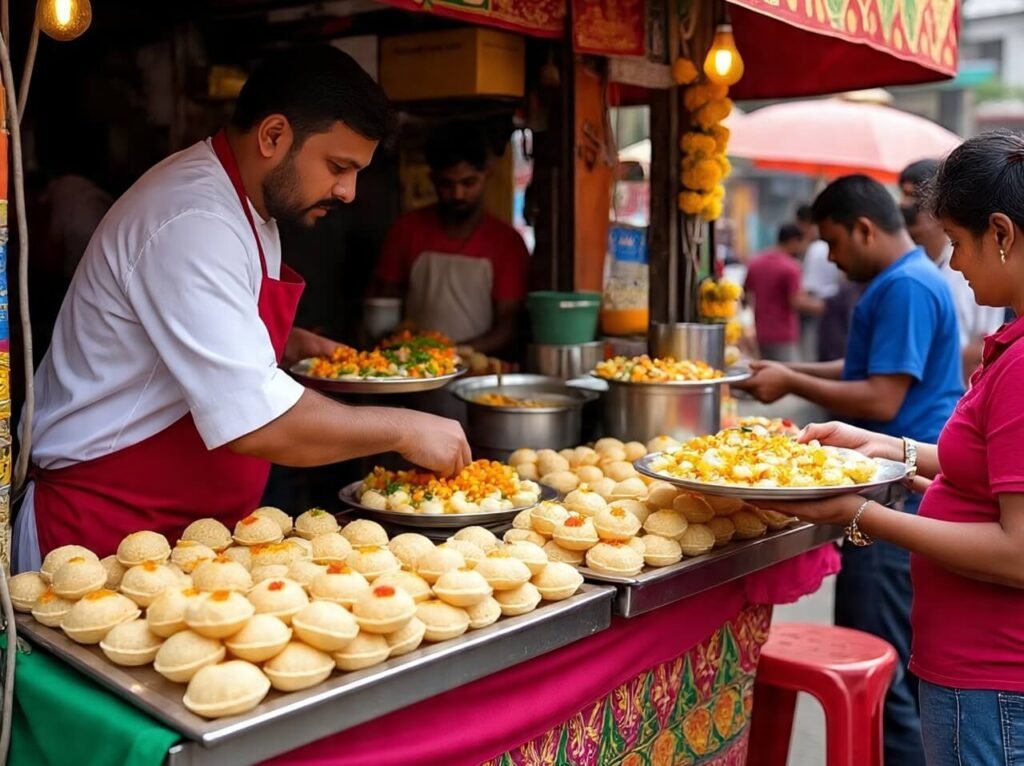
Street food is an inseparable part of India’s food culture. These images capture vibrancy, color, and everyday life. Common visuals include:
- Pani puri (golgappa) vendors serving crispy water-filled balls.
- Chaat plates topped with yogurt, chutneys, and spices.
- Kathi rolls wrapped in parathas.
- Vada pav served with fried green chilies.
4. Traditional Festive Food Images
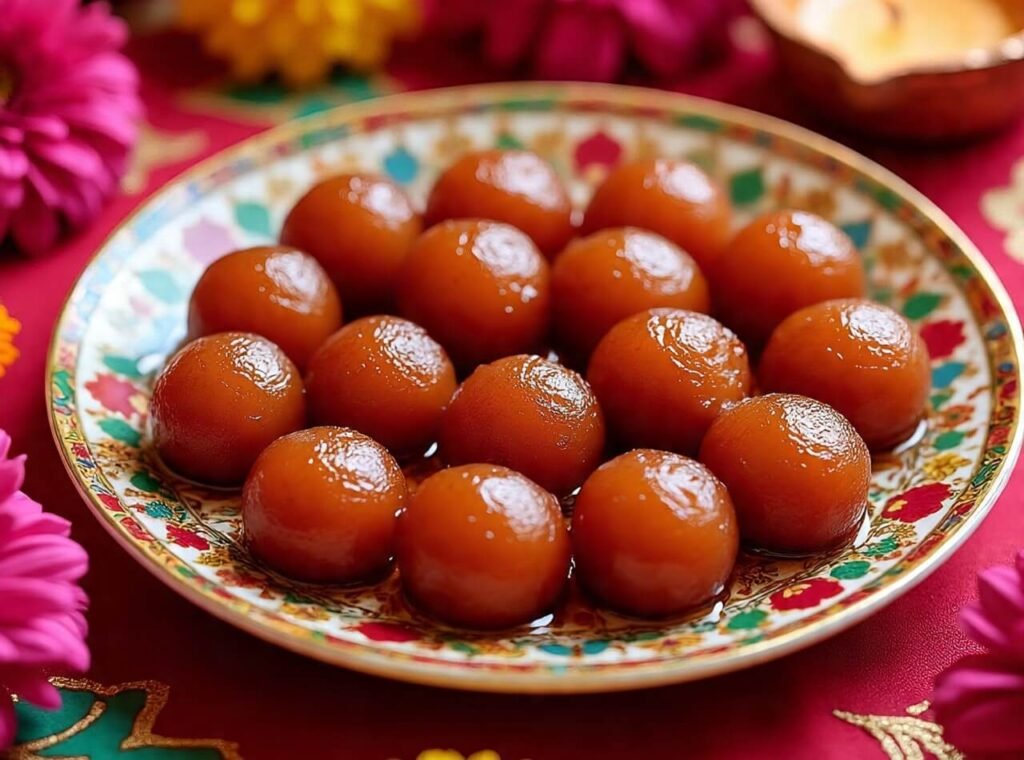
Every Indian festival has its unique dishes, and capturing them is crucial to understanding culture:
- Diwali sweets like gulab jamun, jalebi, and laddoos.
- Eid biryani served with raita and salad.
- Holi thandai with colors and sweets.
- Navratri fasting meals (sabudana khichdi, kheer).
5. Modern Interpretations of Traditional Indian Food
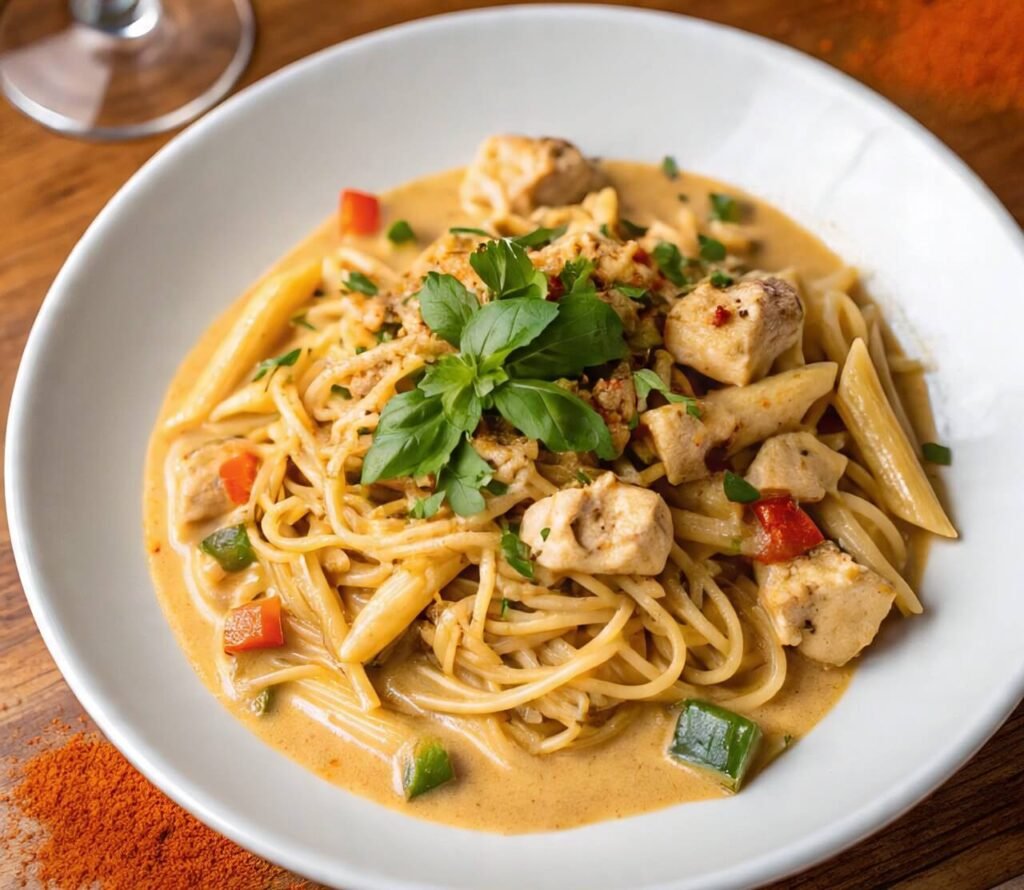
Food photography today also includes fusion cuisine, where traditional Indian food is combined with global styles. For example:
- Butter chicken pasta.
- Paneer tacos.
- Masala chai cheesecakes.
Such Indian food images help modern restaurants and bloggers present traditional flavors in a contemporary style.
The Role of Food Photography in SEO & Content Marketing
High-quality traditional Indian food images are more than just visuals—they are powerful marketing tools. According to HubSpot, blog posts with images generate 94% more views compared to text-only posts.
For food bloggers, restaurants, and travel websites, using SEO-friendly Indian food images with descriptive alt tags can:
- Improve Google Image ranking.
- Increase website traffic through visual search.
- Build credibility by showcasing real, authentic food.
- Engage readers with storytelling visuals.
Table: Popular Indian Foods & Their Image Representation
| Dish Name | Region | Common Image Style | Example Alt Text |
|---|---|---|---|
| Biryani | Hyderabad/North | Rich layered rice with meat or veggies | “Traditional Indian food image – Biryani with raita” |
| Masala Dosa | South India | Crispy golden dosa with chutney & sambar | “South Indian food image – Masala dosa with chutney” |
| Thali | Pan-India | Round steel plate with multiple curries | “Images of Indian food – Traditional thali plate” |
| Samosa | North India | Triangular fried snack with chutneys | “Indian traditional food images – crispy samosa” |
| Pani Puri | Street Food | Crispy puris with flavored water | “Indian food images – pani puri served at street stall” |
How to Use Traditional Indian Food Images Effectively
- For Blogs & Websites – Add images with descriptive alt tags and captions.
- For Menus – Use authentic, high-quality photos to attract customers.
- For Social Media – Share vibrant food images to boost engagement.
- For Education – Use in cultural projects to represent India’s food heritage.
- For SEO – Optimize file names (e.g., traditional-indian-food-thali.jpg).
Conclusion
Traditional Indian food images are more than just photographs—they are windows into India’s culture, history, and diversity. From North Indian thalis to South Indian banana leaf feasts, every dish tells a story. By using authentic images with proper SEO optimization, you can enrich your blog, website, or project while celebrating India’s culinary heritage.
👉 Next time you need food visuals, look beyond generic stock photos and choose authentic, high-quality Indian traditional food images that truly represent the essence of India.
FAQs About Traditional Indian Food Images
Q1. Where can I find authentic traditional Indian food images?
You can find them on stock photo sites, cultural blogs, or by photographing food at authentic restaurants and festivals.
Q2. What makes south Indian food images unique?
They often show banana leaf meals, steamed dishes, and lighter vegetarian options like dosa and idli.
Q3. How can I optimize Indian food images for SEO?
Use descriptive file names, add alt tags with keywords (e.g., traditional Indian food images), and compress images for fast loading.
Q4. Can I use images of Indian food for free?
Some sites like Unsplash or Pexels offer free Indian food images, but for commercial use, check licensing rights.
Q5. Why do food bloggers need high-quality Indian food images?
They enhance credibility, boost engagement, and improve Google ranking through image SEO.
Q6. What are the most popular Indian food images searched online?
Biryani, dosa, thali plates, butter chicken, and street foods like pani puri.
Q7. How can businesses use traditional Indian food images?
Restaurants can use them in menus, ads, and websites to attract customers with authentic visuals.
Related Posts
The Ultimate Beef Tips Recipe: Master This Comfort Food Classic in 30 Minutes
Nothing beats the satisfaction of a perfectly cooked beef tips…

Drink Mix Supplier: Everything You Need to Know Before Choosing the Right One
Introduction (Problem + Solution) Aaj ke competitive food & beverage…

The Ultimate Guide to the Best Meal Train Meals: Nourishing Recipes & Stress-Free Strategies
When a friend is navigating a major life event—a new…