Introduction: Why Zinc Deficiency is a Hidden Health Problem
In today’s fast-paced lifestyle, zinc deficiency is more common than we think. People often experience weak immunity, slow wound healing, hair fall, and skin problems without realizing the root cause is a lack of zinc in their diet.
The good news? You can easily fix this problem by adding zinc rich foods to your daily meals. From nuts and seeds to seafood and whole grains, these foods help your body fight infections, support glowing skin, and keep your energy levels high. In this article, we’ll explore the best foods high in zinc, their benefits, and how to include them in your diet — the natural way.
Why Zinc is Essential for Your Body
Zinc is a trace mineral, meaning your body needs it in small amounts — but its impact is massive.
Key benefits of zinc in diet include:
- Strengthening immunity to fight infections.
- Improving skin health and reducing acne.
- Supporting cell growth and repair.
- Helping in taste perception and appetite regulation.
- Maintaining hormonal balance and reproductive health.
🔗 For detailed information on zinc’s role in health, visit National Institutes of Health – Zinc Fact Sheet.
Top Zinc Rich Foods for a Healthy Lifestyle
1. Oysters – Nature’s Zinc Powerhouse
When it comes to foods high in zinc, oysters top the chart. A single serving can provide 5–6 times your daily zinc requirement.
How to enjoy: Grill them with garlic butter or add to seafood pasta for a gourmet treat.

“oysters – zinc rich foods for immunity and skin health”
2. Pumpkin Seeds – The Vegetarian Zinc Hero
For high zinc vegetarian foods, pumpkin seeds are a fantastic choice. They also provide magnesium and antioxidants for overall wellness.
How to enjoy: Sprinkle on salads, blend into smoothies, or roast for a healthy snack.
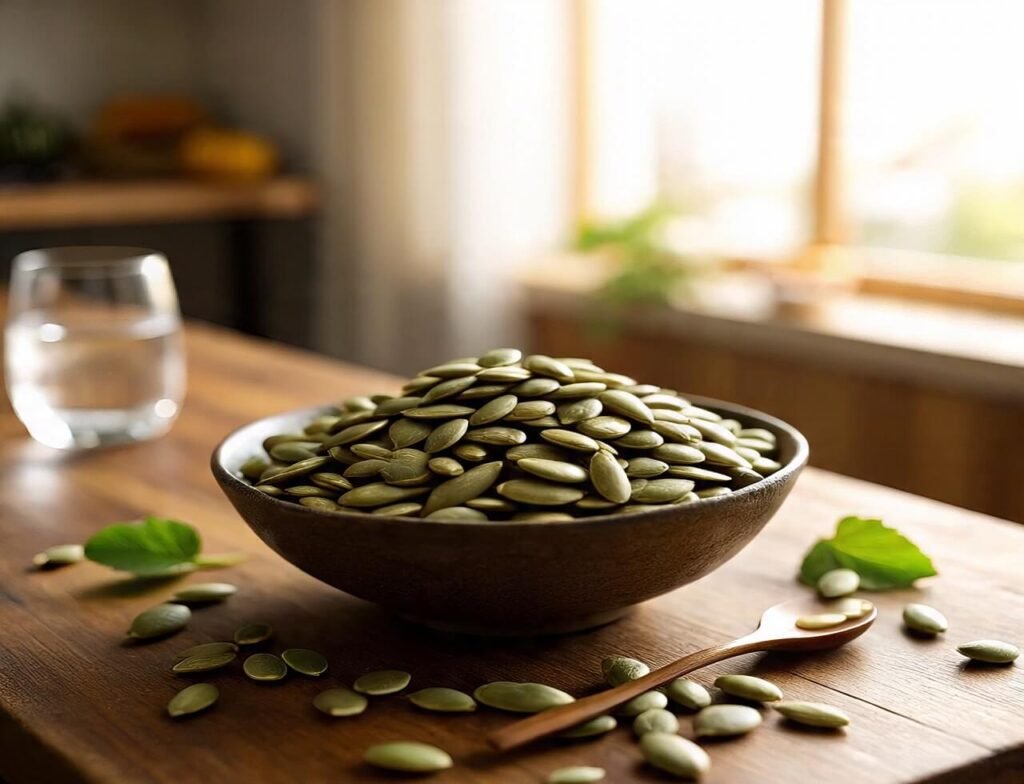
“pumpkin seeds – high zinc vegetarian foods for a balanced diet”
3. Chickpeas – Budget-Friendly Zinc Source
Chickpeas are not only protein-packed but also a rich source of zinc.
How to enjoy: Use in hummus, curries, or salads for a filling, zinc-boosting meal.
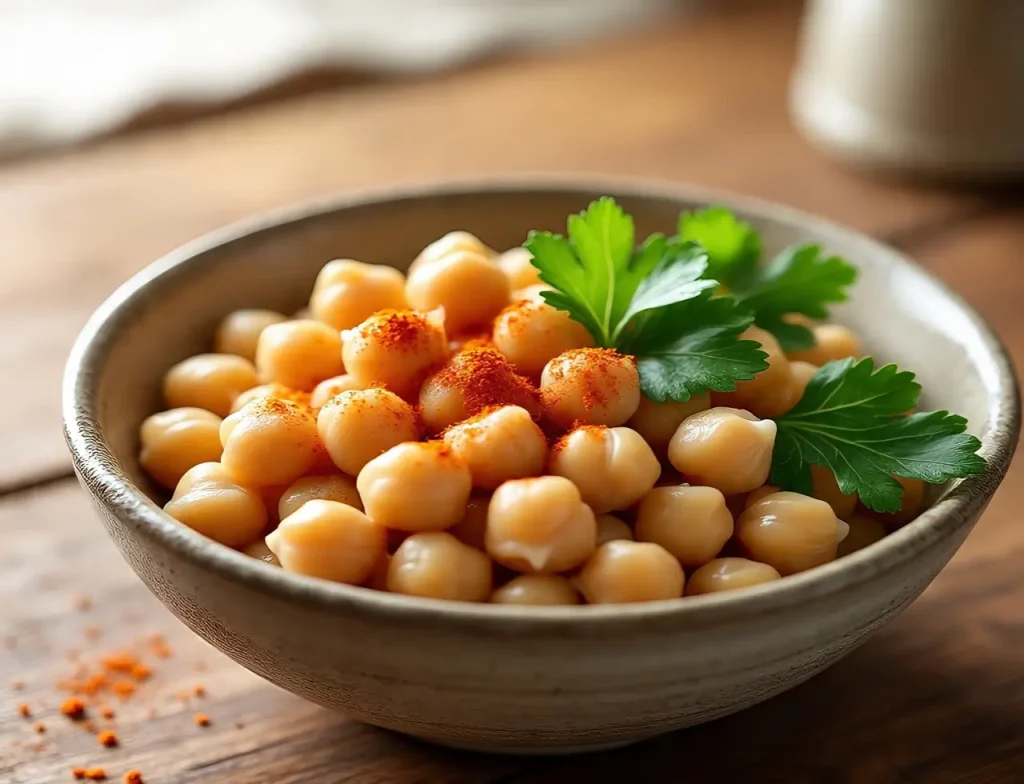
“chickpeas – affordable foods high in zinc for everyday meals”
4. Cashews – Tasty and Nutrient-Dense
Cashews provide zinc along with healthy fats and iron.
How to enjoy: Snack raw, roast lightly, or add to stir-fries and desserts.
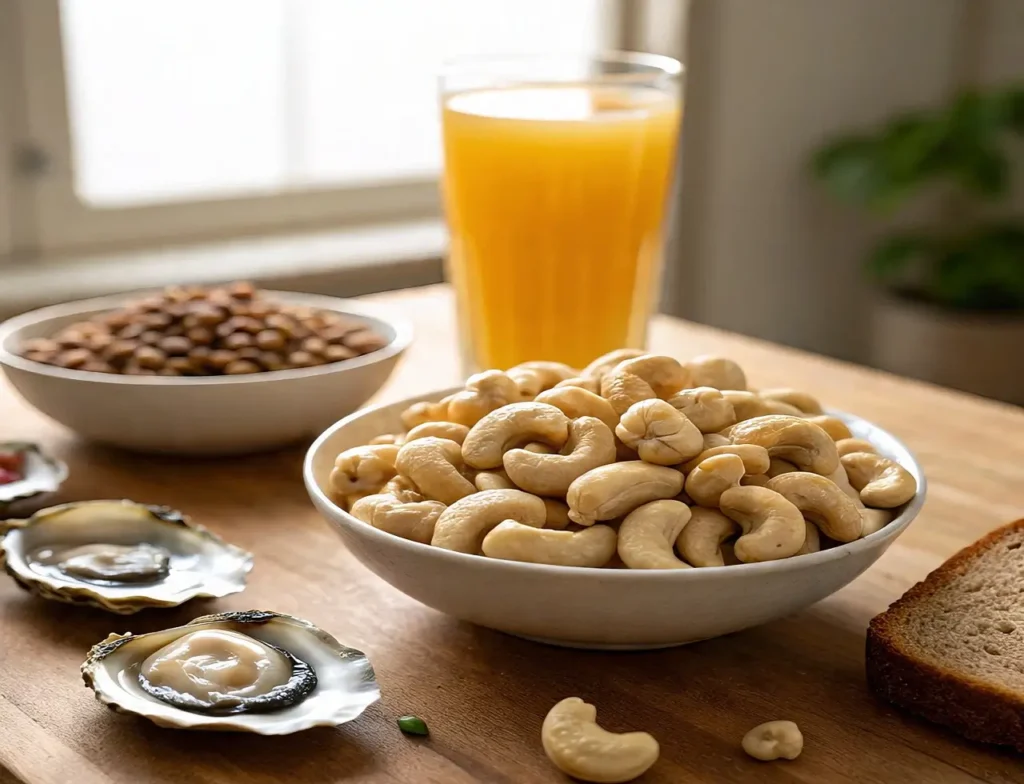
“cashews – zinc rich foods for healthy skin and energy”
5. Spinach – Green Leafy Zinc Source
Spinach may not have as much zinc as oysters, but it’s excellent for vegetarians and also rich in iron and vitamin K.
How to enjoy: Add to soups, smoothies, or sauté with garlic.
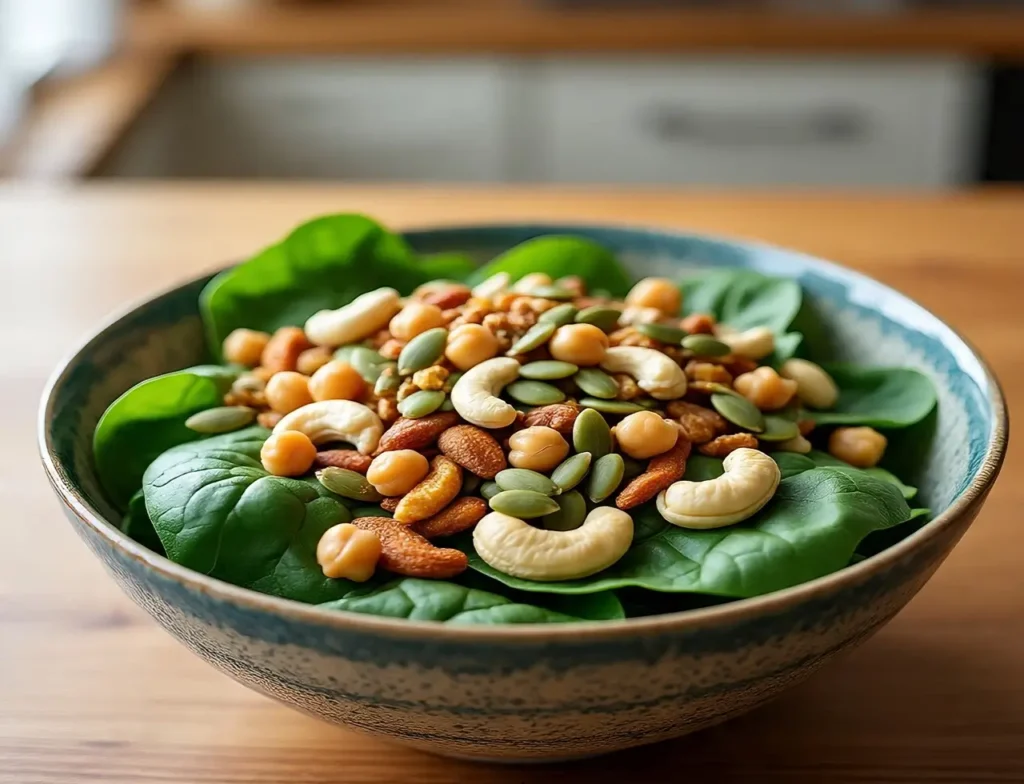
“spinach – vegetarian zinc rich foods for immunity boost”
Table: Top Zinc Rich Foods & Their Zinc Content
| Food Item | Zinc per 100g | Vegetarian/Non-Vegetarian |
|---|---|---|
| Oysters | 78.6 mg | Non-Vegetarian |
| Pumpkin Seeds | 7.81 mg | Vegetarian |
| Chickpeas | 3.43 mg | Vegetarian |
| Cashews | 5.78 mg | Vegetarian |
| Spinach | 0.53 mg | Vegetarian |
How Much Zinc Do You Need Daily?
- Men: 11 mg
- Women: 8 mg
- Pregnant Women: 11 mg
- Children: 2–8 mg (depending on age)
Tips to Increase Zinc Absorption
- Combine zinc foods with vitamin C-rich foods (like citrus fruits) for better absorption.
- Avoid excessive intake of phytate-rich foods (like raw grains) which can block zinc absorption.
- Limit alcohol consumption, which reduces zinc levels.
The Benefit of Zinc in Diet: Real-Life Examples
- Immunity Boost: People who add zinc-rich meals experience fewer colds and faster recovery from infections.
- Skin Glow: Regular intake helps reduce acne and supports wound healing.
- Energy & Focus: Athletes often include zinc foods to maintain stamina and mental clarity.
Conclusion
Zinc is a small nutrient with a big impact. Whether you choose seafood, nuts, seeds, or greens, including zinc rich foods in your daily diet can improve immunity, enhance skin health, and boost overall wellness. Start with simple swaps — like adding pumpkin seeds to breakfast or enjoying a chickpea salad for lunch — and your body will thank you.
FAQs About Zinc Rich Foods
1. Which food has the highest zinc content?
Oysters are the richest source of zinc.
2. Can vegetarians get enough zinc?
Yes, by including pumpkin seeds, cashews, chickpeas, and spinach.
3. What are the benefits of zinc in diet?
It boosts immunity, supports skin health, and aids cell repair.
4. How do I know if I’m zinc deficient?
Symptoms include hair loss, frequent infections, and delayed wound healing.
5. Can I take zinc supplements instead of food?
Food is the best source; supplements should be taken only after medical advice.
6. Is zinc safe during pregnancy?
Yes, but follow the daily recommended limit.
7. Are there any side effects of too much zinc?
Excess zinc can cause nausea, headaches, and lower copper levels.
Related Posts

Best Tea for Immune System: Natural Teas to Strengthen Your Body’s Defenses
Introduction (Problem + Solution) In today’s fast-paced lifestyle, weakened immunity…

Weight Loss with Natural Foods: The Ultimate Guide to Sustainable Success
Unlock the secrets of weight loss with natural foods and…

Top 10 Plant-Based Diet Benefits | Real Health, Real Energy
Discover the top 10 proven Plant-Based diet benefits for your…