Learn how to cook cabbage on the stove with step-by-step instructions for sautéing, boiling, braising, and stir-frying. Includes seasoning tips, cooking times, and delicious recipe variations.
Cabbage is an underappreciated vegetable that transforms into a delicious, versatile side dish when cooked properly on the stove. Whether you’re sautéing, boiling, braising, or stir-frying, cooking cabbage on the stovetop is quick, inexpensive, and results in tender, flavorful vegetables that complement countless meals. This comprehensive guide covers everything you need to know about preparing perfect stovetop cabbage every time.
Why Cook Cabbage on the Stove?
Stovetop cooking offers several advantages for preparing cabbage. The direct heat control allows you to adjust cooking intensity instantly, preventing overcooking that can lead to mushy, sulfurous-smelling cabbage. Stovetop methods also develop better flavor through caramelization and browning that oven-roasting or microwaving can’t quite replicate.
Cabbage is remarkably nutritious, providing high amounts of vitamin C, vitamin K, folate, and fiber while remaining extremely low in calories. A cup of cooked cabbage contains only about 35 calories but delivers significant nutritional benefits. The vegetable also contains antioxidants and compounds that support digestive health.
From a practical standpoint, cabbage is one of the most economical vegetables available. A single head can feed a family for just a few dollars and stores well in the refrigerator for weeks. Learning to cook it properly means you always have an affordable, healthy side dish option available.
Choosing and Preparing Your Cabbage
Selecting Fresh Cabbage
Look for heads that feel heavy for their size, indicating freshness and moisture content. The outer leaves should be crisp and tightly packed without significant browning, wilting, or soft spots. A fresh cabbage head should feel firm when squeezed gently.
Green cabbage is the most common variety, with a mild, slightly peppery flavor that becomes sweet when cooked. Red or purple cabbage offers a similar texture with a slightly earthier taste and beautiful color, though it can bleed and turn other ingredients purple. Savoy cabbage has crinkled leaves and a more delicate texture that cooks faster and offers a milder, sweeter flavor.
Cleaning and Cutting Cabbage
Remove and discard the outermost leaves, which are often damaged or dirty. Rinse the cabbage head under cool running water, though the inner leaves are typically quite clean.
Place the cabbage on a cutting board and cut it in half through the core. Cut each half in half again, creating quarters. This makes removing the tough core easier. Hold each quarter at an angle and slice away the triangular core section.
For most stovetop cooking methods, slice the cabbage into strips. Lay each quarter flat-side down and slice across into ribbons, adjusting thickness based on your preference and cooking method. Thinner slices (about 1/4 inch) work best for quick sautéing, while thicker slices (1/2 inch) hold up better for longer cooking methods like braising.
For stir-frying, cut cabbage into roughly 1-2 inch pieces rather than long ribbons. This size ensures even cooking and easier eating.
Method 1: Sautéed Cabbage (Quick and Flavorful)
Sautéing is perhaps the best method for cooking cabbage on the stove, creating tender-crisp vegetables with slightly caramelized edges and concentrated flavor.
Basic Sautéed Cabbage Recipe
Ingredients:
- 1 medium head of cabbage (about 2 pounds), cored and thinly sliced
- 2-3 tablespoons butter, olive oil, or bacon fat
- 2-3 cloves garlic, minced (optional)
- Salt and black pepper to taste
- Optional: pinch of red pepper flakes, caraway seeds, or other seasonings
Instructions:
Step 1: Heat a large skillet or sauté pan over medium-high heat. A 12-inch pan provides adequate space for the cabbage to cook evenly rather than steam.
Step 2: Add your chosen fat to the pan. Butter provides rich flavor, olive oil offers a lighter taste, and bacon fat creates deeply savory results. Allow the fat to heat until shimmering but not smoking.
Step 3: Add the sliced cabbage to the pan. It will seem like a huge amount, but cabbage wilts dramatically as it cooks, reducing to about one-third of its raw volume.
Step 4: Season with salt and pepper. Salt helps draw out moisture and enhances flavor. Use about 1 teaspoon of salt for a medium head of cabbage, adjusting to taste.
Step 5: Sauté the cabbage, stirring occasionally, for 10-15 minutes. The cabbage should become tender while maintaining some texture, and the edges should develop golden-brown caramelization. If adding garlic, add it during the last 2-3 minutes of cooking to prevent burning.
Step 6: Taste and adjust seasoning. Add more salt, pepper, or other seasonings as desired.
Tips for Perfect Sautéed Cabbage
Don’t overcrowd the pan. If your skillet isn’t large enough to hold all the cabbage comfortably, cook it in batches. Overcrowding causes steaming rather than sautéing, preventing the desirable caramelization.
Adjust heat as needed. If the cabbage browns too quickly, reduce the heat to medium. If it’s releasing too much water and steaming, increase the heat to medium-high to evaporate moisture faster.
Stir occasionally rather than constantly. Allowing the cabbage to sit undisturbed for 2-3 minutes between stirs encourages browning and flavor development.
For extra flavor, add aromatics like onions, shallots, or garlic. Onions should be added at the beginning with the cabbage, while garlic burns easily and should be added near the end.
Method 2: Boiled Cabbage (Traditional and Simple)
Boiling cabbage is the traditional preparation method, resulting in very tender vegetables. While it has a reputation for producing mushy, smelly cabbage, proper technique yields excellent results.
Basic Boiled Cabbage Recipe
Ingredients:
- 1 medium head of cabbage, cored and cut into wedges or thick slices
- Water to cover
- 1 tablespoon salt
- Optional: 2 tablespoons butter, salt, and pepper for serving
Instructions:
Step 1: Fill a large pot with water and bring it to a boil over high heat. Use enough water to completely cover the cabbage pieces.
Step 2: Add salt to the boiling water. Salting the cooking water seasons the cabbage throughout rather than just on the surface.
Step 3: Add cabbage pieces to the boiling water. Return to a boil.
Step 4: Reduce the heat to maintain a gentle boil. Cover the pot partially, leaving the lid slightly ajar to allow sulfur compounds to escape and prevent the cabbage from developing an unpleasant odor.
Step 5: Cook for 5-8 minutes for tender-crisp cabbage or 10-12 minutes for very tender cabbage. Test doneness by piercing with a fork; it should slide in easily when done.
Step 6: Drain the cabbage in a colander. For the best texture, don’t let it sit in the hot water after draining, or it will continue to soften.
Step 7: Transfer to a serving dish and add butter, salt, and pepper to taste.
Tips for Better Boiled Cabbage
Don’t overcook. The single biggest mistake when boiling cabbage is cooking it too long. Overcooked cabbage becomes mushy and develops a strong sulfur smell that gives boiled cabbage its bad reputation.
Add flavor to the cooking water. Consider adding a bay leaf, peppercorns, or a splash of vinegar to the boiling water for extra flavor.
Cut uniform pieces to ensure even cooking. Wedges should be of similar sizes so they all finish cooking at the same time.
For colcannon or mashed potatoes with cabbage, boil the cabbage and potatoes together. This traditional Irish preparation is economical and delicious.
Method 3: Braised Cabbage (Rich and Tender)
Braising combines the best elements of sautéing and simmering, creating melt-in-your-mouth tender cabbage with concentrated, complex flavors.
Basic Braised Cabbage Recipe
Ingredients:
- 1 medium head of cabbage, cored and sliced
- 2 tablespoons butter or oil
- 1 medium onion, thinly sliced
- 2 cloves garlic, minced
- 1 cup chicken broth, vegetable broth, or water
- 2 tablespoons apple cider vinegar or white wine
- 1 tablespoon sugar or honey (optional, for sweet-and-sour flavor)
- Salt and pepper to taste
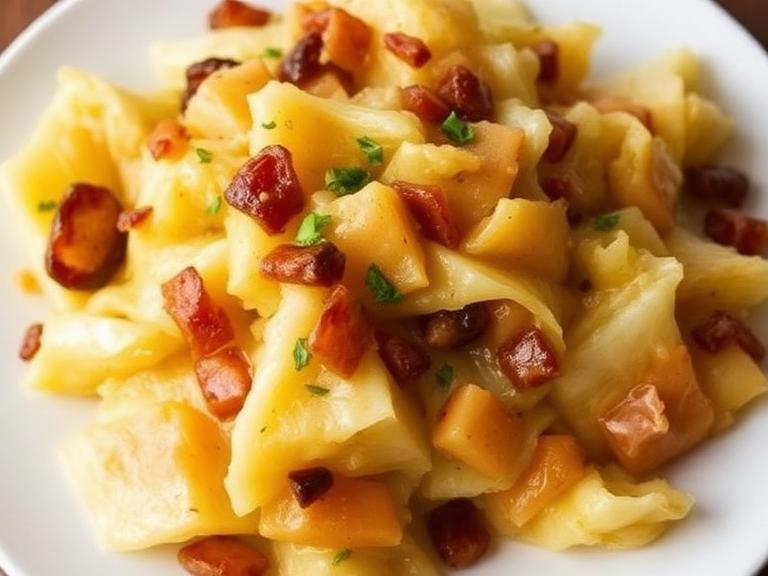
- Optional: 4 slices of bacon, chopped; 1 apple, diced; caraway seeds
Instructions:
Step 1: Heat a large, deep skillet or Dutch oven over medium heat. Add butter or oil.
Step 2: If using bacon, cook it first until crispy, then remove and set it aside. Use the bacon fat to cook the cabbage for extra flavor.
Step 3: Add sliced onion and cook for 5 minutes until softened and beginning to brown.
Step 4: Add the cabbage and cook, stirring occasionally, for 5-7 minutes until it begins to wilt.
Step 5: Add garlic and cook for 1 minute until fragrant.
Step 6: Add broth, vinegar, and sugar if using. The liquid should come about halfway up the cabbage.
Step 7: Bring to a simmer, then reduce the heat to low. Cover and cook for 20-30 minutes, stirring occasionally, until the cabbage is very tender and the liquid has mostly evaporated.
Step 8: Season with salt and pepper. If you cooked bacon, stir it back in now.
Braising Variations
German-Style Red Cabbage: Use red cabbage, add 1 diced apple, use red wine vinegar, and include brown sugar and caraway seeds. This classic accompaniment to German sausages develops deep, sweet-tart flavors.
Asian-Inspired Braised Cabbage: Replace butter with sesame oil, use soy sauce instead of salt, add grated ginger with the garlic, and finish with a drizzle of rice vinegar.
Beer-Braised Cabbage: Replace half the broth with beer (preferably a lighter lager or pilsner) for a malty, complex flavor that pairs wonderfully with sausages or pork.
Method 4: Stir-Fried Cabbage (Fast and Crispy)
Stir-frying cooks cabbage quickly over very high heat, maintaining crispness while developing charred, flavorful edges.
Basic Stir-Fried Cabbage Recipe
Ingredients:
- 1 medium head of cabbage, cored and cut into 2-inch pieces
- 2-3 tablespoons vegetable oil or peanut oil
- 3 cloves garlic, minced
- 1 tablespoon fresh ginger, minced
- 2 tablespoons soy sauce
- 1 tablespoon rice vinegar
- 1 teaspoon sesame oil
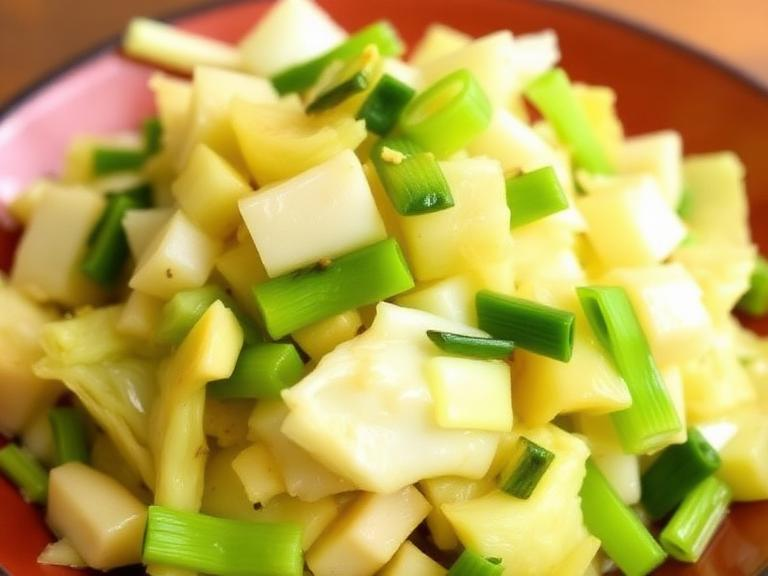
- Optional: red pepper flakes, sliced green onions, sesame seeds
Instructions:
Step 1: Heat a wok or large skillet over high heat until very hot. A properly heated wok is essential for an authentic stir-fry texture.
Step 2: Add oil and swirl to coat the pan. The oil should shimmer immediately.
Step 3: Add cabbage pieces all at once. Let them sit undisturbed for 1-2 minutes to develop some charring.
Step 4: Stir-fry vigorously for 3-4 minutes, tossing frequently but allowing occasional resting periods for charring.
Step 5: Push cabbage to the sides of the pan, creating a well in the center. Add garlic and ginger to the well and cook for 30 seconds until fragrant.
Step 6: Add soy sauce and vinegar, tossing everything together.
Step 7: Cook for another 1-2 minutes until cabbage is tender-crisp with charred edges but still has bite.
Step 8: Remove from heat and drizzle with sesame oil. Garnish with green onions and sesame seeds if desired.
Stir-Fry Tips
Work quickly with very high heat. Stir-frying happens fast, so have all ingredients prepared before you start cooking.
Don’t add too much liquid, or the cabbage will steam rather than char. Use just enough sauce to coat the cabbage lightly.
A wok works best due to its shape and heat distribution, but a large skillet works adequately if you don’t have a wok.
Add proteins like chicken, shrimp, or tofu to create a complete meal. Cook proteins first, set aside, then stir-fry the cabbage and combine at the end.
Seasoning and Flavoring Options
Cabbage’s mild flavor makes it an excellent canvas for various seasonings:
Classic Seasonings:
- Butter, salt, and black pepper (traditional and simple)
- Garlic and olive oil (Mediterranean-inspired)
- Bacon and onions (Southern-style)
- Caraway seeds (Eastern European classic)
Bold Flavors:
- Curry powder and coconut milk (Indian-inspired)
- Chili flakes and lime juice (spicy and bright)
- Balsamic vinegar and honey (sweet and tangy)
- Fish sauce and lime (Southeast Asian-style)
Fresh Herbs:
- Dill (pairs beautifully with butter and cabbage)
- Parsley (adds freshness to rich preparations)
- Cilantro (complements Asian-style preparations)
- Thyme (enhances braised cabbage)
Acids:
- Lemon juice (brightens and balances richness)
- Apple cider vinegar (traditional with red cabbage)
- Rice vinegar (perfect for Asian preparations)
- White wine (adds depth to braised dishes)
Common Problems and Solutions
Problem: Cabbage smells bad while cooking
Solution: This sulfur smell develops when cabbage is overcooked. Cook for shorter times, don’t cover the pot completely when boiling, and ensure good kitchen ventilation.
Problem: Cabbage turns mushy
Solution: Reduce cooking time and use higher heat for methods like sautéing. Cabbage should retain some texture rather than becoming completely soft.
Problem: Cabbage releases too much water
Solution: This is normal as cabbage is very high in water content. Use high heat to evaporate excess moisture quickly, or drain off liquid partway through cooking.
Problem: Cabbage tastes bitter
Solution: Add a touch of sugar, honey, or apple to balance bitterness. Proper cooking also reduces bitterness as sugars caramelize.
Problem: Red cabbage turns purple/blue
Solution: The color-changing compounds in red cabbage are pH-sensitive. Add something acidic like vinegar or lemon juice, to maintain the red color.
Cooking Times at a Glance
Sautéed Cabbage: 10-15 minutes over medium-high heat
Boiled Cabbage: 5-12 minutes, depending on desired tenderness
Braised Cabbage: 20-30 minutes over low heat
Stir-Fried Cabbage: 5-7 minutes over high heat
These times assume medium-thickness slicing. Thicker pieces require longer cooking, while very thin slices cook faster.
Recipe Variations and Complete Meals
Cabbage and Noodles
Sauté cabbage with onions in butter, then toss with cooked egg noodles, salt, pepper, and a touch of paprika. This Eastern European comfort food is simple and satisfying.
Cabbage with Sausage
Brown sliced kielbasa or smoked sausage, then sauté cabbage in the rendered fat with onions. The combination is classic and makes a complete one-pan meal.
Corned Beef and Cabbage
Though traditionally boiled together, you can braise cabbage separately with some of the corned beef cooking liquid for a more flavorful result. Add potatoes and carrots for a complete traditional Irish-American meal.
Cabbage Stir-Fry with Protein
Stir-fry chicken, beef, shrimp, or tofu first and set aside. Cook cabbage with your chosen vegetables, then combine everything with the sauce for a quick, healthy dinner served over rice.
Sweet and Sour Cabbage
Braise red cabbage with apple, brown sugar, vinegar, and warm spices like cinnamon and cloves. This traditional German side dish pairs perfectly with pork dishes.
Storing and Reheating Cooked Cabbage
Cooked cabbage stores well in an airtight container in the refrigerator for 3-5 days. The flavor often improves overnight as seasonings meld.
To reheat, use the stovetop rather than the microwave when possible. Add a small amount of butter or oil to a pan over medium heat and warm the cabbage, stirring occasionally, until heated through. This method restores some of the texture that refrigeration diminishes.
Microwave reheating works in a pinch. Use medium power and heat in 30-second intervals, stirring between each, to heat evenly without creating hot spots.
Cooked cabbage can also be frozen for up to 3 months, though the texture becomes softer upon thawing. Frozen cooked cabbage works well in soups, stews, or mixed dishes where texture is less critical.
Health Benefits and Nutrition
Beyond being low in calories and high in nutrients, cabbage offers several health benefits. The cruciferous vegetable family, which includes cabbage, contains compounds that may support cancer prevention. The high fiber content aids digestive health and promotes feelings of fullness.
Vitamin K in cabbage supports bone health and proper blood clotting. Vitamin C acts as an antioxidant and supports immune function. The vegetable also provides smaller amounts of vitamin B6, folate, manganese, and potassium.
Cooking cabbage makes some nutrients more bioavailable while reducing others. Vitamin C decreases with cooking, particularly boiling, while some beneficial compounds become more accessible. For maximum nutrition, use cooking methods that preserve nutrients, like quick sautéing or steaming, and consume the cooking liquid when possible.
Pairing Suggestions
Cabbage pairs wonderfully with:
Proteins: Pork (especially sausages and chops), corned beef, smoked meats, chicken, white fish, tofu
Starches: Potatoes (mashed or roasted), egg noodles, rice, polenta, crusty bread
Other Vegetables: Carrots, onions, apples, beets, turnips
Cuisines: German, Irish, Eastern European, Asian, Southern American
Frequently Asked Questions
How do I know when cabbage is done cooking?
Cabbage is done when it reaches your preferred tenderness. For tender-crisp cabbage, it should yield slightly when pierced with a fork but still have some resistance. Fully tender cabbage should slide easily off a fork. Avoid cooking until mushy unless making a specific dish that requires very soft cabbage.
Should I remove the core from the cabbage before cooking?
Yes, the core is tough and woody. Remove it before cooking by cutting the cabbage into quarters, then slicing out the triangular core from each quarter.
Can I cook cabbage with other vegetables?
Absolutely. Cabbage pairs well with onions, carrots, potatoes, and bell peppers. Add harder vegetables like carrots at the beginning of cooking and softer vegetables like bell peppers near the end to ensure everything cooks evenly.
Why does my cabbage turn gray when cooked?
This typically happens with red cabbage due to pH changes. Adding something acidic like vinegar or lemon juice prevents this and helps maintain vibrant color. Green cabbage may look grayish if overcooked.
Is it better to cook cabbage covered or uncovered?
For sautéing and stir-frying, leave uncovered to allow moisture to evaporate and encourage browning. For braising, cover to trap moisture and steam the cabbage. For boiling, keep partially covered to allow sulfur compounds to escape.
Can I use pre-shredded cabbage from the store?
Yes, pre-shredded coleslaw mix works for any stovetop cooking method and saves preparation time. However, it may cook faster than thicker hand-cut cabbage, so adjust cooking times accordingly.
What’s the best fat for cooking cabbage?
Butter provides rich, classic flavor. Olive oil offers a lighter taste and works well for Mediterranean preparations. Bacon fat creates deeply savory results. Vegetable or peanut oil works best for high-heat stir-frying.
How much does cabbage reduce when cooked?
Cabbage reduces to approximately one-third of its raw volume when cooked due to water loss and wilting. A large head that fills an entire skillet raw will cook down to much less.
Can I cook frozen cabbage on the stove?
Yes, though the texture will be softer than fresh. Add frozen cabbage directly to the pan without thawing and extend cooking time by a few minutes. Frozen cabbage works particularly well for soups and braised preparations.
Why is my sautéed cabbage watery?
Cabbage releases significant moisture while cooking. Use high heat to evaporate water quickly, avoid overcrowding the pan, and don’t cover the pan while sautéing. If necessary, drain off excess liquid partway through cooking.
Conclusion
Cooking cabbage on the stove is one of the simplest yet most versatile cooking skills to master. Whether you prefer the quick caramelization of sautéing, the tenderness of braising, the traditional simplicity of boiling, or the crispy char of stir-frying, each method produces delicious results that transform this humble vegetable into a satisfying side dish. With proper technique, appropriate seasoning, and attention to cooking times, stovetop cabbage becomes a regular feature in your cooking rotation—affordable, nutritious, and endlessly adaptable to different cuisines and flavor profiles.
Related Posts

Japanese Food Recipes: Authentic, Healthy, and Easy to Make at Home
Summary: Japanese Food Recipes Japanese food recipes are known for…
Jhalmudi: 7 Irresistible Reasons This Flavor-Packed Street Food Will Blow Your Mind
Jhalmudi is a spicy, crunchy Indian street snack loved for…
Ganache Techniques: Mastering Chocolate Ganache for Baking (2026 Guide)
Ganache techniques 2026: Master chocolate ganache for baking—ratios, molten lava…