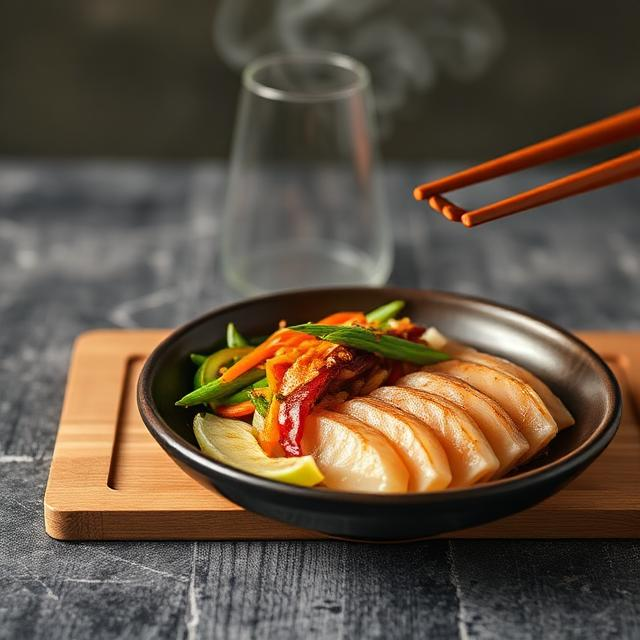
Japanese food recipes are celebrated for their balance, simplicity, seasonal ingredients, and thoughtful presentation. From comforting miso soup and rice bowls to sushi, ramen, teriyaki, and vegetable dishes, Japanese cuisine offers plenty of options for both beginners and experienced home cooks.
Traditional Japanese cooking, often referred to as washoku, places strong emphasis on fresh ingredients, natural flavors, seasonality, and balanced meals. Japan’s Ministry of Agriculture, Forestry and Fisheries highlights fresh seasonal ingredients, nutritional balance, respect for nature, and the expression of the seasons as important characteristics of washoku.
The good news is that you do not need professional equipment or years of culinary training to enjoy Japanese food at home. With a few staple ingredients and straightforward techniques, you can prepare flavorful Japanese-inspired meals in your own kitchen.
In this guide, you’ll discover the best Japanese food recipes to try at home, essential ingredients, healthy cooking techniques, beginner tips, simple meal-planning ideas, and ways to make these dishes practical for everyday cooking.
What Makes Japanese Food Recipes Special?
Japanese cuisine is built around a simple idea: make good ingredients taste their best without unnecessarily covering their natural flavor.
Instead of relying on large amounts of heavy sauces, butter, or strong spices, many traditional dishes use ingredients such as dashi, miso, soy sauce, rice vinegar, ginger, seaweed, and sesame to create depth.
Several characteristics make Japanese cooking distinctive:
- Fresh and seasonal ingredients
- Rice and noodles as important staples
- Fish, seafood, tofu, eggs, and other protein sources
- Vegetables, mushrooms, and sea vegetables
- Fermented ingredients such as miso
- Light but flavorful broths
- Simple cooking techniques
- Careful and attractive presentation
Traditional washoku also commonly uses a meal structure known as ichiju-sansai, or “one soup and three dishes.” It generally combines rice, soup, a main dish, and side dishes containing vegetables and other ingredients.
This approach makes it easier to build a meal with different flavors, textures, and food groups.
Essential Ingredients for Japanese Cooking
You don’t need to purchase every Japanese ingredient at once. Start with a small pantry and gradually expand it as you try more recipes.
1. Japanese Rice
Short-grain Japanese-style rice has a soft, slightly sticky texture that makes it ideal for sushi, rice bowls, onigiri, and everyday meals.
2. Soy Sauce
Soy sauce adds salty, savory flavor to marinades, dipping sauces, stir-fries, and rice dishes. Because it can be high in sodium, use it moderately and taste the food before adding additional salt.
3. Miso Paste
Miso is a fermented soybean paste commonly used in soups, marinades, dressings, and sauces. White, yellow, and red miso can have different levels of flavor and intensity.
4. Dashi
Dashi is a traditional Japanese stock that provides umami. It can be made from ingredients such as kombu seaweed and bonito flakes, although vegetarian versions are also possible.
5. Rice Vinegar
Rice vinegar provides a mild acidity and is particularly useful in sushi rice, dressings, pickles, and sauces.
6. Nori and Wakame
Nori is dried seaweed commonly used for sushi and rice dishes, while wakame is often used in soups and salads.
7. Tofu
Tofu is a versatile plant-based protein that works well in soups, stir-fries, rice bowls, and grilled dishes.
8. Ginger and Sesame
Fresh ginger adds warmth and freshness, while sesame seeds and sesame oil contribute nuttiness and aroma.
9. Mirin
Mirin is a sweet Japanese seasoning used in many sauces and simmered dishes. If you cannot find it, recipes can sometimes be adapted with another mild sweetener, although the flavor will not be exactly the same.
15 Japanese Food Recipes to Try at Home
Here are practical Japanese dishes that range from extremely simple meals to recipes that require a little more preparation.
1. Easy Miso Soup
Miso soup is one of the easiest Japanese dishes for beginners.
Ingredients
- 3 cups dashi or vegetable broth
- 2 tablespoons miso paste
- 100 g soft tofu, cubed
- 1 tablespoon dried wakame
- 1 green onion, sliced
Method
- Warm the dashi in a saucepan.
- Add wakame and tofu and simmer gently for several minutes.
- Place the miso paste in a small bowl.
- Add a little warm broth and stir until smooth.
- Return the mixture to the saucepan.
- Add green onion and heat gently without vigorously boiling the soup.
- Serve immediately.
Tip: Avoid boiling miso for a long time after adding it. Gentle heating helps preserve its delicate flavor.
2. Japanese Rice Bowl
A rice bowl, or donburi-style meal, is one of the most adaptable Japanese food recipes for busy weeknights.
Ingredients
- 1 cup cooked Japanese-style rice
- 1 cooked chicken breast, tofu, or egg
- 1/2 cup sliced vegetables
- 1 tablespoon soy sauce
- 1 teaspoon rice vinegar
- 1 teaspoon sesame seeds
- Green onion
Method
- Prepare the rice and place it in a bowl.
- Cook your preferred protein.
- Quickly sauté or steam the vegetables.
- Combine soy sauce and rice vinegar.
- Arrange the protein and vegetables over the rice.
- Drizzle with the sauce.
- Finish with sesame seeds and green onion.
This recipe can easily be customized with salmon, mushrooms, tofu, chicken, spinach, carrots, or cabbage.
3. Chicken Teriyaki
Chicken teriyaki combines tender chicken with a sweet-savory glaze.
Ingredients
- 2 chicken breasts or boneless thighs
- 2 tablespoons soy sauce
- 1 tablespoon mirin
- 1 teaspoon grated ginger
- 1 teaspoon honey
- 1 teaspoon cooking oil
Method
- Mix soy sauce, mirin, ginger, and honey.
- Heat oil in a pan.
- Cook the chicken until browned and cooked through.
- Pour in the sauce.
- Simmer until the sauce thickens and coats the chicken.
- Slice and serve with rice and vegetables.
For a balanced meal, pair teriyaki chicken with steamed broccoli, carrots, cabbage, or another vegetable.
4. Vegetable Yasai Itame
Yasai itame is a Japanese-style vegetable stir-fry that is fast, flexible, and ideal for using leftover produce.
Ingredients
- 1 cup cabbage
- 1 carrot
- 1/2 bell pepper
- 1/2 cup mushrooms
- 1 teaspoon sesame oil
- 1 tablespoon soy sauce
- 1 teaspoon grated ginger
Method
- Slice all vegetables into similar-sized pieces.
- Heat sesame oil in a large pan.
- Add harder vegetables such as carrots first.
- Add cabbage, mushrooms, and peppers.
- Stir-fry until the vegetables are tender but still slightly crisp.
- Add ginger and soy sauce.
- Toss for another minute and serve.
Use whatever seasonal vegetables you already have to keep the recipe affordable.
5. Tamagoyaki Japanese Omelette
Tamagoyaki is a rolled Japanese omelette with a soft texture and mildly sweet-savory flavor.
Ingredients
- 3 eggs
- 1 teaspoon soy sauce
- 1 teaspoon mirin
- 1 teaspoon sugar
- 1 teaspoon cooking oil
Method
- Beat the eggs with soy sauce, mirin, and sugar.
- Heat a lightly oiled nonstick pan.
- Pour in a thin layer of egg mixture.
- Cook until almost set.
- Roll the egg toward one side of the pan.
- Add another thin layer of egg.
- Roll again.
- Repeat until all the mixture is used.
- Slice before serving.
Tamagoyaki works well for breakfast, lunch boxes, or a simple Japanese-style dinner.
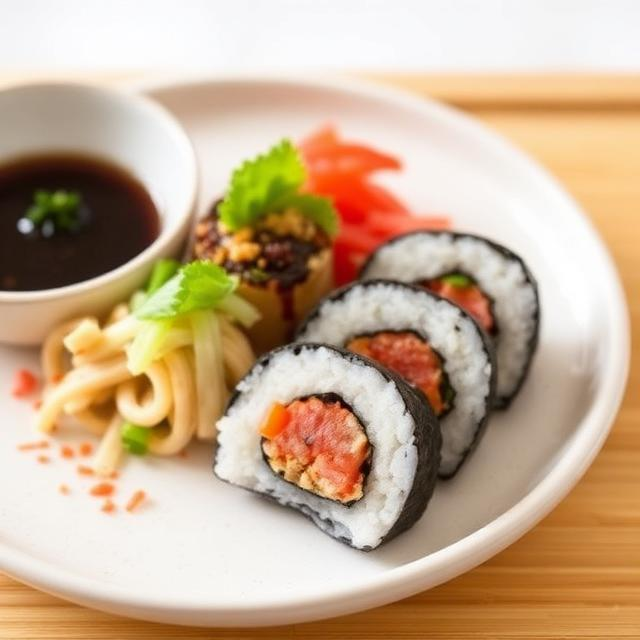
6. Vegetable Sushi Rolls
You don’t need raw fish to make enjoyable sushi at home.
Ingredients
- Cooked sushi rice
- Nori sheets
- Cucumber
- Carrot
- Avocado
- Rice vinegar
- Sesame seeds
Method
- Prepare sushi rice and allow it to cool slightly.
- Place a sheet of nori on a sushi mat.
- Spread a thin layer of rice over the nori.
- Add sliced vegetables.
- Roll firmly.
- Slice with a sharp, damp knife.
- Sprinkle with sesame seeds.
Vegetable sushi is an approachable option for beginners and plant-based eaters.
7. Simple Ramen
Homemade ramen can be much simpler than restaurant-style versions.
Ingredients
- 2 portions ramen noodles
- 4 cups vegetable or chicken broth
- 1 tablespoon soy sauce
- 1 teaspoon grated ginger
- Mushrooms
- Spinach or bok choy
- 2 boiled eggs
Method
- Heat the broth in a saucepan.
- Add ginger and soy sauce.
- Add mushrooms and simmer.
- Cook noodles according to the package instructions.
- Add the noodles to bowls.
- Pour over the hot broth.
- Add vegetables and sliced boiled eggs.
For a lighter bowl, increase the vegetables and use a modest amount of salty seasoning.
8. Japanese Cucumber Salad
This refreshing side dish requires very little cooking.
Ingredients
- 2 cucumbers
- 1 tablespoon rice vinegar
- 1 teaspoon sesame seeds
- 1 teaspoon soy sauce
- 1 teaspoon sesame oil
Method
- Thinly slice the cucumbers.
- Mix rice vinegar, soy sauce, and sesame oil.
- Toss the cucumber with the dressing.
- Add sesame seeds.
- Chill briefly before serving.
It pairs particularly well with rice bowls and grilled fish.
9. Teriyaki Tofu
For a meat-free main dish, tofu works beautifully with teriyaki-style flavors.
Press firm tofu, cut it into cubes, and pan-sear until golden. Add a mixture of soy sauce, mirin, ginger, and a small amount of honey or another sweetener. Simmer until the tofu is coated.
Serve with rice and steamed vegetables.
10. Japanese-Style Grilled Salmon
Grilled fish fits naturally into a balanced Japanese-inspired meal.
Season salmon lightly and grill or pan-cook until the fish flakes easily. Serve with rice, steamed greens, and a small bowl of miso soup.
This simple combination can form the foundation of an everyday dinner.
11. Onigiri Rice Balls
Onigiri are portable rice balls that can be filled or seasoned in many ways.
Basic method
- Cook Japanese short-grain rice.
- Allow it to cool enough to handle.
- Wet your hands and add a small amount of salt.
- Shape the rice into triangles or rounds.
- Add fillings such as cooked salmon, tuna, vegetables, or pickled ingredients.
- Wrap with nori before serving.
Onigiri are excellent for lunch boxes, picnics, or quick snacks.
12. Japanese Vegetable Soup
Combine dashi or vegetable broth with mushrooms, cabbage, carrots, tofu, and green onions.
Simmer until the vegetables become tender. Add a small amount of miso or soy sauce for flavor.
This is an easy way to increase vegetables while creating a warm, satisfying meal.
13. Tempura Vegetables
Tempura is known for its delicate, crisp coating.
Try vegetables such as:
- Sweet potato
- Mushrooms
- Eggplant
- Zucchini
- Green beans
Keep the batter thin and the oil at an appropriate frying temperature. Because tempura is fried, serve it alongside vegetables and rice rather than making it the entire meal.
14. Soba Noodle Bowl
Soba noodles made from buckwheat are a convenient alternative to rice or ramen.
Cook the noodles according to package instructions, rinse them well, and serve them with vegetables, tofu, mushrooms, or a light dipping sauce.
For a warm meal, add the cooked noodles to broth with vegetables and sliced green onion.
15. Japanese-Inspired Bento Box
A bento is less a single recipe than a practical way to organize a meal.
A simple homemade bento might contain:
- Cooked rice or onigiri
- Tamagoyaki
- Teriyaki chicken or tofu
- Steamed vegetables
- Cucumber salad
- Fresh fruit
For more meal-planning ideas, you can also explore RealMeFoods’ meal prep recipes.
Are Japanese Food Recipes Healthy?
Many traditional Japanese meals can fit into a balanced eating pattern because they often combine grains, vegetables, seafood or plant proteins, soups, and fermented foods.
Japan’s Ministry of Agriculture describes traditional washoku as a diverse eating pattern that uses ingredients such as rice, fish, vegetables, legumes, seaweed, and mushrooms, while emphasizing nutritional balance.
However, it is important not to assume that every Japanese dish is automatically healthy. Some foods can contain substantial amounts of sodium, sugar, or added fat.
For example, soy sauce, miso, pickles, instant noodles, and some prepared sauces can contribute significant sodium. Harvard’s Nutrition Source recommends moderating salty sauces and choosing lower-sodium alternatives when possible.
How to Make Japanese Meals Healthier
Try these simple adjustments:
- Use more vegetables.
- Choose grilled, steamed, or simmered foods more often.
- Use sauces in moderation.
- Select lower-sodium soy sauce when appropriate.
- Include tofu, beans, fish, eggs, or other protein sources.
- Keep fried foods as occasional choices.
- Choose reasonable portions of rice and noodles.
- Add fruit as a simple dessert.
The goal is balance rather than labeling individual foods as completely “good” or “bad.”
Traditional Japanese Cooking Techniques
Understanding a few basic techniques can improve your results dramatically.
Steaming
Steaming gently cooks vegetables, fish, and dumplings while helping preserve their texture.
Grilling
Grilling is particularly useful for fish, chicken, tofu, and vegetables.
Simmering
Simmering allows ingredients to absorb flavor from broth and seasonings.
Stir-Frying
Quick stir-frying works well for vegetables and thinly sliced proteins.
Raw Preparation
Sushi and sashimi demonstrate the importance of ingredient quality, knife skills, freshness, and food safety. Home cooks should use ingredients specifically appropriate for raw consumption and follow safe food-handling practices.
Deep-Frying
Tempura is a classic example. Because it uses oil, portion size and the rest of the meal become especially important.
Seasonal Eating in Japanese Cuisine
Seasonality is one of the defining ideas behind Japanese cooking.
Spring
Spring cooking can highlight tender vegetables, fresh greens, and lighter dishes.
Summer
Cold noodles, refreshing salads, chilled tofu, and lighter meals work well during hot weather.
Autumn
Mushrooms, sweet potatoes, squash, and other seasonal produce are excellent choices.
Winter
Hot soups, stews, nabe-style meals, and warming rice dishes become especially appealing.
Using seasonal ingredients can also make home cooking more economical because locally available produce is often easier to find.
How to Build a Balanced Japanese-Style Meal
A simple meal formula makes Japanese cooking easier.
Start with:
1. A staple: rice, soba, udon, or another grain-based food.
2. A protein: fish, chicken, tofu, eggs, beans, or another suitable option.
3. Vegetables: aim for one or two vegetable-based sides.
4. Soup: miso soup or a vegetable-based broth can complete the meal.
5. Small extras: cucumber salad, seaweed, pickles, or fruit can add variety.
This structure is inspired by the traditional idea of combining rice, soup, a main dish, and side dishes rather than relying on one large entrée.
Japanese Food Recipes for Beginners: 7 Practical Tips
If you’re new to Japanese cooking, don’t try to prepare sushi, ramen, tempura, and several side dishes on your first day.
Start with simple recipes.
1. Build a Small Pantry
Begin with rice, soy sauce, miso, rice vinegar, nori, sesame seeds, and ginger.
2. Learn to Cook Rice Properly
Good rice can make even a simple meal taste much better.
3. Use Seasonal Vegetables
You don’t need to find every traditional Japanese vegetable. Cabbage, carrots, mushrooms, cucumber, spinach, broccoli, and other familiar vegetables can work well in many Japanese-style dishes.
4. Taste Before Adding More Soy Sauce
Soy sauce adds flavor quickly, but too much can make a dish excessively salty.
5. Keep Sauces Balanced
Japanese-style sauces often combine salty, sweet, acidic, and umami elements. Add small amounts and adjust gradually.
6. Don’t Overcook Vegetables
Many Japanese dishes benefit from vegetables that retain some texture.
7. Keep Presentation Simple
Arrange food neatly in separate portions rather than piling everything onto one plate. Presentation is an important part of the Japanese dining experience.
Common Mistakes When Making Japanese Food at Home
Using Too Much Soy Sauce
More soy sauce does not necessarily mean more flavor. It can easily overwhelm delicate ingredients.
Making Every Dish Heavy
Japanese cooking is not limited to rich ramen, fried tempura, or sweet teriyaki sauces. Balance your meal with vegetables, soups, rice, and lighter dishes.
Overcooking Vegetables
Soft, overcooked vegetables can lose their texture and freshness.
Ignoring Seasonality
Japanese cuisine places considerable importance on seasonal ingredients and presentation. Using seasonal produce can make simple dishes more interesting.
Treating All Japanese Food as the Same
Sushi, ramen, tempura, soba, curry, yakitori, and traditional home cooking have very different ingredients and techniques.
Budget-Friendly Japanese Cooking
You don’t need an expensive grocery list to make Japanese-inspired meals.
Affordable ingredients include:
- Rice
- Eggs
- Tofu
- Cabbage
- Carrots
- Mushrooms
- Potatoes
- Seasonal vegetables
- Chicken
- Canned or fresh fish when appropriate
A simple rice bowl with vegetables, egg, and a small amount of seasoning can be both inexpensive and filling.
Another useful strategy is batch cooking. Prepare a pot of rice, wash and cut vegetables, cook several portions of protein, and store them safely. You can then assemble different meals throughout the week.
This approach also pairs well with practical meal prep recipes when planning quick weekday meals.
Japanese Food Recipes and Healthy Meal Planning
A Japanese-inspired weekly menu can be simple.
| Day | Main Meal | Side |
|---|---|---|
| Monday | Chicken teriyaki with rice | Steamed vegetables |
| Tuesday | Tofu rice bowl | Cucumber salad |
| Wednesday | Vegetable ramen | Fresh fruit |
| Thursday | Grilled salmon with rice | Miso soup |
| Friday | Vegetable sushi | Edamame or salad |
| Saturday | Soba noodle bowl | Mixed vegetables |
| Sunday | Japanese-style bento | Seasonal fruit |
You can change ingredients according to your budget, dietary needs, and what is available locally.
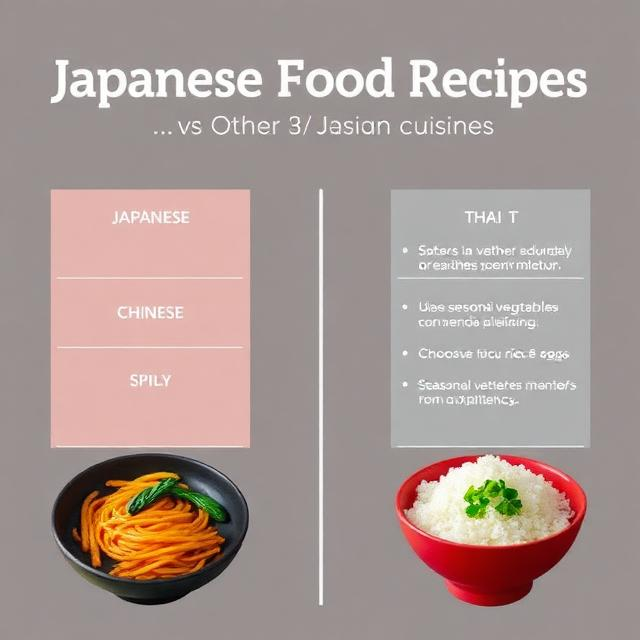
Japanese Food Recipes vs. Other Asian Cuisines
Japanese cuisine shares ingredients and techniques with many Asian food traditions, but its flavor profile and presentation often differ.
| Feature | Japanese | Chinese | Thai |
|---|---|---|---|
| Typical flavor approach | Balanced and umami-rich | Broad and varied | Aromatic, sour, sweet, spicy |
| Common staples | Rice, noodles | Rice, noodles | Rice, noodles |
| Common seasonings | Soy sauce, miso, dashi | Soy sauce, vinegar, aromatics | Fish sauce, herbs, chilies |
| Vegetable use | High | High | High |
| Presentation | Often minimalist | Highly varied | Colorful and aromatic |
These are broad culinary patterns rather than strict rules. Every cuisine contains substantial regional and cultural diversity.
Frequently Asked Questions About Japanese Food Recipes
What are the easiest Japanese food recipes for beginners?
Miso soup, rice bowls, tamagoyaki, cucumber salad, vegetable stir-fry, and simple teriyaki dishes are excellent starting points because they use relatively straightforward techniques.
What ingredients should I buy first for Japanese cooking?
Start with Japanese-style rice, soy sauce, miso paste, rice vinegar, nori, ginger, sesame seeds, and a versatile protein such as tofu, eggs, chicken, or fish.
Are Japanese food recipes healthy?
Many traditional Japanese meals can provide a good combination of grains, vegetables, protein, and seafood or plant-based foods. However, some dishes and condiments can be high in sodium, sugar, or fat, so preparation and portion size matter.
Can I make Japanese food without special equipment?
Yes. A saucepan, frying pan, sharp knife, rice cooker or pot, and basic kitchen utensils are enough for many recipes. Specialized equipment is useful for certain dishes but isn’t essential for getting started.
What is a good Japanese meal for a busy weeknight?
A rice bowl is one of the easiest choices. Combine cooked rice with chicken, tofu, egg, or fish and add two or three vegetables with a simple sauce.
What Japanese recipes are vegetarian-friendly?
Vegetable sushi, tofu teriyaki, miso soup made with vegetarian dashi, vegetable stir-fry, soba bowls, cucumber salad, and vegetable rice bowls can all be adapted for vegetarian diets.
Is ramen healthy?
It depends on the recipe. Homemade ramen can be made more balanced by adding vegetables and protein while controlling the amount of salty broth and seasoning. Instant ramen can be much higher in sodium, so it is best treated as an occasional convenience food rather than the foundation of every meal.
How can I reduce sodium in Japanese recipes?
Use less soy sauce, choose lower-sodium versions when available, use flavorful ingredients such as ginger, vinegar, mushrooms, citrus, and sesame, and taste the dish before adding extra salt. Prepared sauces and condiments can contribute significant sodium.
Final Thoughts
Japanese food recipes offer much more than sushi and ramen. The cuisine provides a flexible approach to everyday cooking built around rice, vegetables, seafood, tofu, eggs, noodles, soups, fermented ingredients, and seasonal produce.
The easiest way to begin is to choose a few uncomplicated dishes such as miso soup, a Japanese rice bowl, vegetable stir-fry, tamagoyaki, or chicken teriyaki. Once you become comfortable with basic ingredients and techniques, you can explore more traditional dishes and regional specialties.
The healthiest approach is to focus on the overall meal rather than a single recipe. Combine vegetables and protein with a sensible portion of rice or noodles, use salty sauces moderately, and choose steaming, grilling, simmering, and other lighter techniques regularly.
Whether you’re preparing a quick weeknight dinner, packing a bento lunch, or simply experimenting with a new cuisine, homemade Japanese cooking can be practical, flavorful, and rewarding.
Start with one recipe, keep the ingredients simple, and gradually build your Japanese cooking skills.