A kidney disease diet for dogs can slow CKD progression and ease symptoms. Learn what to feed by stage, what to avoid, and vet-backed tips.
Kidney Disease Diet for Dogs: 8 Key Feeding Rules That Help
A well-planned kidney disease diet for dogs is one of the most effective tools you have after a chronic kidney disease (CKD) diagnosis. It won’t reverse the damage, but it can slow progression, ease symptoms, and add real quality time with your dog.
This guide covers exactly what a kidney disease diet for dogs should include, how it changes by disease stage, what to avoid, and how to keep a dog with a shrinking appetite actually eating.
What Chronic Kidney Disease Means for Your Dog
Chronic kidney disease means the kidneys have lost some ability to filter waste, balance minerals, and regulate fluid. It develops slowly, usually in older dogs, and the damage is generally permanent.
Veterinarians stage CKD severity using the International Renal Interest Society (IRIS) framework, from Stage 1 (mild) to Stage 4 (advanced), based on bloodwork markers like creatinine and SDMA. This staging directly shapes what a kidney disease diet for dogs should look like at each phase — you can review the full criteria on the IRIS website, which has coordinated CKD staging guidelines since 1998.
Why a Kidney Disease Diet for Dogs Matters So Much
Healthy kidneys filter waste, regulate minerals, and help control blood pressure. As function declines, nutrients that were once harmless — like phosphorus and excess sodium — start to become burdens.
A therapeutic renal diet reduces the kidneys’ workload rather than trying to heal them directly. Veterinary nutrition research has repeatedly shown that dogs eating an appropriate kidney disease diet live longer and have fewer uremic episodes than dogs left on regular maintenance food after diagnosis.
In practical terms, the right diet:
- Reduces phosphorus intake to slow mineral buildup
- Moderates (not eliminates) protein to reduce waste byproducts
- Limits sodium to help manage blood pressure
- Adds antioxidants and omega-3s to reduce inflammation
Key Nutrients in a Kidney Disease Diet for Dogs
| Nutrient | Why It Matters in CKD | General Approach |
|---|---|---|
| Phosphorus | Damaged kidneys can’t excrete excess phosphorus; buildup accelerates damage | Restrict, especially Stages 2–4 |
| Protein | Waste from protein metabolism builds up, but protein is still essential | Moderate, high-quality — not zero |
| Sodium | Excess sodium can worsen high blood pressure | Limit, especially with hypertension |
| Potassium | Some CKD dogs lose too much through urine | Maintain or slightly increase |
| Omega-3s (EPA/DHA) | Reduce inflammation, may slow decline | Increase via fish oil or fortified food |
| B vitamins | Lost through increased urination | Supplement, especially B-complex |
| Antioxidants | Counter oxidative stress | Increase via diet or supplements |
A common mistake is assuming every kidney disease diet for dogs needs to be extremely low in protein. Too little protein causes muscle wasting, which is just as harmful as excess waste buildup — the goal is moderation, not elimination. Show Image
How the Diet Changes by CKD Stage
| IRIS Stage | Kidney Function | Dietary Focus |
|---|---|---|
| Stage 1 | Mild, often no symptoms | Usually no major change unless proteinuria is present; monitor |
| Stage 2 | Mild–moderate decline | Introduce phosphorus restriction; begin renal-support diet |
| Stage 3 | Moderate–severe decline | Full therapeutic diet, stricter phosphorus/sodium control |
| Stage 4 | Severe, advanced | Diet continues, priority shifts to palatability and comfort |
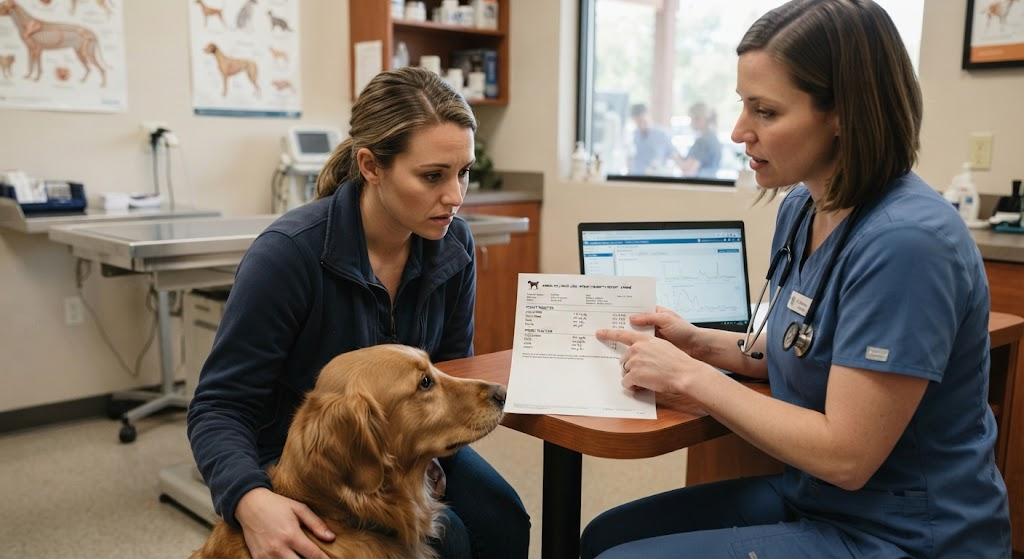
Dogs caught early may not need a full prescription diet right away. This is why a kidney disease diet for dogs should always be built around actual bloodwork and stage, not a generic recipe from the internet.
Commercial vs. Homemade Kidney Disease Diets for Dogs
Prescription renal diets are formulated by veterinary nutritionists with calibrated phosphorus, sodium, and protein levels. Brands like Hill’s, Royal Canin, and Purina offer renal-specific wet and dry formulas.
Pros: precisely balanced, consistent quality, multiple textures for picky eaters.
Cons: pricier, sometimes less palatable at first, requires a prescription.
Homemade diets can work for dogs who reject commercial food, but unbalanced homemade recipes are a real risk — especially around calcium, phosphorus, and vitamin D ratios, the exact things that matter most in CKD. According to the Merck Veterinary Manual, CKD staging exists specifically to guide therapeutic and monitoring decisions, which is why any homemade kidney disease diet for dogs should be built with a board-certified veterinary nutritionist, not a generic online recipe.
Foods and Ingredients to Avoid
- High-phosphorus treats and table scraps (organ meats, bones, dairy)
- High-sodium foods (deli meats, cheese, salty snacks)
- Unregulated high-protein “performance” foods
- Phosphorus-fortified commercial treats — check labels
- Excess vitamin D or calcium supplements without guidance
- NSAIDs or new medications without vet approval
Sample Feeding Approach
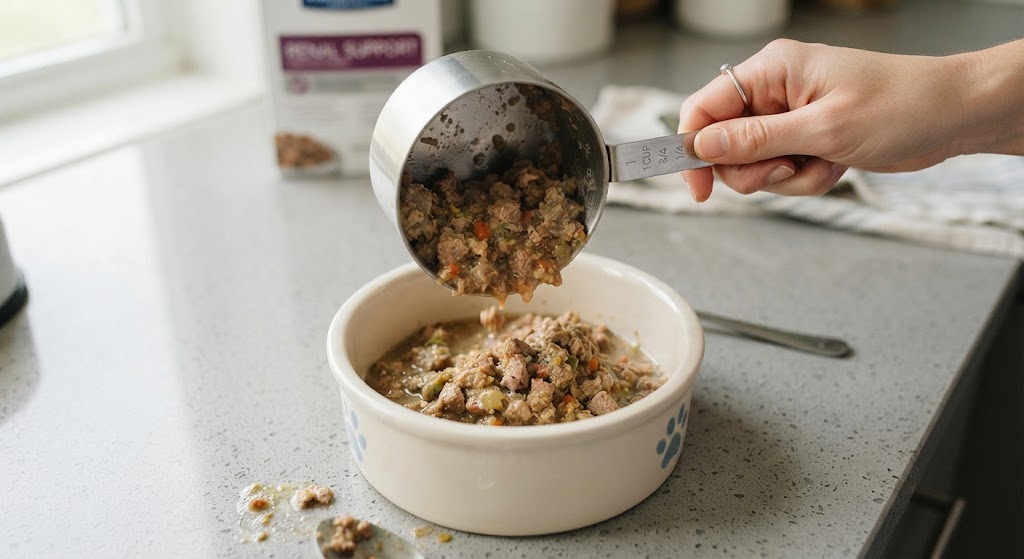
- Split meals into 2–3 smaller portions rather than one large meal
- Warm wet food slightly to boost aroma and appetite
- Rotate approved textures (pâté, stew, kibble) to avoid flavor fatigue
- Add a small amount of vet-approved low-sodium broth
- Time meals around medication, since some phosphate binders need food
- Track weight weekly — unintentional loss is an early warning sign
The Role of Hydration in a Kidney Disease Diet for Dogs
CKD dogs often need more water than healthy dogs but drink less due to nausea. This is a strong argument for wet food, which is roughly 70–80% moisture, over dry kibble alone.
- Keep multiple water bowls around the house
- Try a pet water fountain — moving water encourages drinking
- Add water or low-sodium broth to dry food if needed
- Watch for dry gums, skin tenting, or lethargy as dehydration signs
Monitoring and Adjusting Over Time
Most vets recheck bloodwork (BUN, creatinine, SDMA, phosphorus) and blood pressure every 1–3 months in early stages, more often as disease advances. Watch for:
- Continued weight loss despite eating
- Increased vomiting or diarrhea
- Refusing prescribed food for 2–3+ days
- New or worsening lethargy
Never adjust a kidney disease diet for dogs on your own — changes can interact with phosphate binders or blood pressure medication.
Common Mistakes Owners Make
- Restricting protein too aggressively without guidance
- Switching foods too abruptly, causing GI upset
- Giving “just one” high-phosphorus treat regularly
- Assuming senior food equals renal food
- Waiting until Stage 3–4 to start diet changes
FAQ: Kidney Disease Diet for Dogs
1. Can a dog with kidney disease eat regular dog food?
Early-stage dogs without proteinuria may stay on balanced maintenance food under vet supervision, but regular food generally has too much phosphorus and protein once CKD progresses.
2. Is low protein always necessary?
No — the goal is moderate, high-quality protein. Too little causes muscle wasting, which is its own problem.
3. How much phosphorus should a CKD dog eat?
It depends on stage and bloodwork, which is why a vet should set the target rather than a fixed number from the internet.
4. Can I make a homemade kidney disease diet for my dog?
Yes, but only with a recipe from a board-certified veterinary nutritionist — unbalanced homemade diets often miss phosphorus and calcium ratios.
5. Why won’t my CKD dog eat their new food?
Nausea from toxin buildup is common. Warming food, smaller frequent meals, and anti-nausea medication (ask your vet) often help.
6. Do CKD dogs need supplements?
Many benefit from omega-3s, B-vitamins, or phosphate binders, but dosing should be vet-guided.
7. How fast should I switch diets?
Gradually, over 7–10 days, unless your vet advises otherwise.
8. Can diet alone manage CKD?
It’s one of the most powerful tools, usually combined with blood pressure medication, phosphate binders, or fluids depending on stage.
Final Thoughts
The right kidney disease diet for dogs isn’t about extreme restriction — it’s about balancing phosphorus, protein, sodium, and hydration to match your dog’s specific stage. Combined with regular vet monitoring, this gives many CKD dogs months or years of a comfortable life.