In today’s fast-paced world, where quick meals and convenience dominate, gourmet foods stand out as a symbol of refinement, quality, and indulgence. Whether it’s artisan cheeses, handcrafted chocolates, or finely aged meats, gourmet foods offer a sensory experience that goes far beyond ordinary eating. But what exactly makes a food “gourmet,” and why are more people choosing this elevated approach to eating?
Let’s explore the world of gourmet cuisine—its meaning, appeal, types, and growing popularity among food lovers.
What Are Gourmet Foods?
Gourmet food refers to high-quality, premium ingredients prepared with expert skill and care. These foods are often made in small batches, using traditional techniques, and are valued for their unique flavor, presentation, and freshness.
Unlike mass-produced items, gourmet products focus on taste, texture, and authenticity. Many of them are organic, locally sourced, or imported from renowned regions around the world.
Think of gourmet food as a handcrafted experience—it’s less about hunger and more about enjoyment.
Key Features of Gourmet Cuisine
1. Superior Ingredients
Gourmet foods are made using the finest ingredients—whether it’s cold-pressed olive oil from Italy, vanilla from Madagascar, or grass-fed beef from New Zealand.
2. Artisanal Preparation
Many gourmet items are crafted by skilled chefs or small producers who follow traditional recipes and methods, often passed down through generations.
3. Exclusive Availability
You won’t usually find gourmet items in regular supermarkets. They’re often sold in specialty shops, high-end restaurants, or exclusive online marketplaces.
4. Exceptional Taste and Presentation
Gourmet foods aren’t just about nutrition—they appeal to all senses. The aroma, plating, and even packaging reflect attention to detail.
Popular Categories of Gourmet Foods
1. Gourmet Cheeses
Aged, soft-ripened, or infused with herbs—gourmet cheeses like brie, camembert, gouda, and blue cheese bring richness to any meal or charcuterie board.
2. Fine Meats and Charcuterie
Cured hams like prosciutto di Parma, salami, and gourmet sausages offer bold flavors. Wagyu beef and dry-aged steaks are prized for their texture and marbling.
3. Specialty Seafood
Caviar, smoked salmon, and fresh oysters are luxury staples in the gourmet seafood category.
4. Gourmet Chocolates and Desserts
Handcrafted truffles, macarons, and exotic flavored chocolates (like sea salt caramel or chili dark chocolate) elevate the dessert experience.
5. Artisan Breads and Pastries
Breads made with sourdough starters, organic flours, and slow fermentation offer rich flavors and textures not found in commercial loaves.
6. Premium Oils and Vinegars
Extra virgin olive oils, truffle oils, and aged balsamic vinegars from Modena add gourmet touches to salads, meats, and even desserts.
Why Do People Choose Gourmet Foods?
🧠 Health-Conscious Choices
Many gourmet food brands use organic, non-GMO, and additive-free ingredients, which appeal to health-focused consumers.
🍽️ Culinary Exploration
Gourmet eating is about discovery—trying new ingredients, learning about food cultures, and experimenting with pairing and presentation.
🎁 Luxury and Gifting
Gourmet hampers or gift boxes are perfect for special occasions, offering a premium alternative to standard food gifts.
🕰️ Slow Food Movement
As people seek to slow down and reconnect with real food, gourmet products offer a mindful, satisfying eating experience.
Where to Buy Gourmet Foods
Thanks to growing demand, gourmet foods are now more accessible than ever. You can find them in:
- Specialty Food Stores
- Farmers’ Markets
- Boutique Delis and Bakeries
- Online Gourmet Retailers like Fortnum & Mason, Harrods, or international gourmet platforms
When buying online, always look for reputable sellers who prioritize freshness and proper packaging.
Gourmet Foods at Home: Tips for Beginners
You don’t have to be a professional chef to enjoy gourmet foods. Here are some easy ways to introduce gourmet into your meals:
- Upgrade Ingredients: Swap supermarket olive oil for a cold-pressed, imported variety.
- Curate a Cheese Board: Pair gourmet cheeses with nuts, honey, and crusty bread.
- Explore Spices: Use saffron, smoked paprika, or pink Himalayan salt to add depth to everyday dishes.
- DIY Dessert: Top vanilla bean ice cream with fresh berries and a balsamic reduction for a simple gourmet treat.
Gourmet vs. Regular Food: What’s the Real Difference?
| Feature | Regular Food | Gourmet Food |
|---|---|---|
| Ingredients | Often mass-produced or processed | High-quality, natural, and often organic |
| Taste | Standard flavors | Unique, rich, and layered |
| Preparation | Fast, machine-based | Handcrafted or chef-curated |
| Presentation | Basic | Elegant and visually appealing |
| Price Point | Affordable, bulk | Premium, exclusive |
Final Thoughts
Gourmet food is more than just a luxury—it’s a celebration of quality, craftsmanship, and culture. Whether you’re treating yourself to an indulgent dessert, preparing a special meal, or exploring new flavors, gourmet options add a layer of richness and satisfaction that everyday meals simply can’t match.
As more people embrace mindful eating and food as an experience, the world of gourmet cuisine continues to grow—inviting us all to slow down, savor, and explore.
FAQs About Gourmet Foods
1. What qualifies a food as “gourmet”?
Answer: Gourmet food is typically made from premium ingredients, often handcrafted or prepared using expert culinary techniques. It focuses on taste, presentation, and quality.
2. Is gourmet food always expensive?
Answer: Not necessarily. While some gourmet items can be pricey, many affordable gourmet options exist, especially when purchased from local artisans or online deals.
3. Can I cook gourmet meals at home?
Answer: Absolutely! With the right ingredients and a bit of creativity, anyone can prepare gourmet-style dishes at home—no Michelin star required.
4. Is gourmet food healthier?
Answer: Gourmet food often uses fresher, natural ingredients and avoids preservatives, which can make it a healthier option. However, some gourmet items (like cheeses or chocolates) are indulgent, so portion control matters.
5. Where can I find authentic gourmet products?
Answer: Look for specialty stores, organic markets, online gourmet retailers, or local producers. Check labels for origin, ingredients, and certifications.
Related Posts

New York Food: The Ultimate Culinary Revolution Transforming America’s Food Capital
Discover New York food incredible transformation from street carts to…
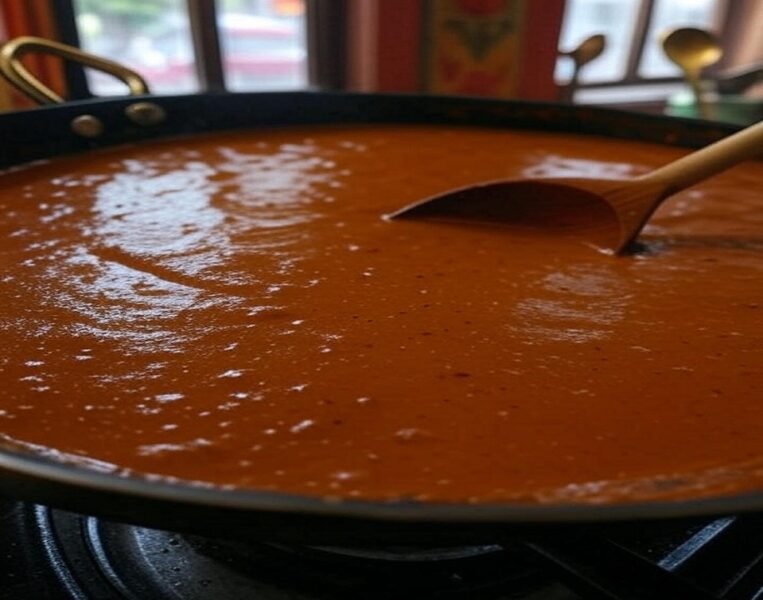
Authentic Indian Tomato Gravy Recipe: A Flavorful Base for Any Curry
Discover this easy and authentic Indian tomato gravy recipe that…

25+ Candy That Start With P: The Ultimate Sweet Guide (2025 Edition)
Discover the ultimate list of candy that start with P.…