Learn how weight loss with natural foods can transform your health. Discover top superfoods, meal plans, and expert tips for sustainable results in 2026.
Introduction
[Agree] We all agree that losing weight often feels like an exhausting, uphill battle. In a world dominated by ultra-processed snacks and “fast-track” diet trends, it is easy to feel overwhelmed and frustrated when the scale refuses to budge despite your best efforts.
[Promise] However, achieving your goal doesn’t have to mean deprivation or constant hunger. By returning to the basics and focusing on whole ingredients, you can unlock a sustainable way to shed pounds while actually increasing your energy levels. The secret lies in working with your body’s natural biology rather than fighting against it.
[Preview] In this comprehensive 2026 guide, we will explore how weight loss with natural foods serves as the foundation for long-term health. We will dive into the science of satiety, identify the top superfoods you need in your kitchen, and provide a practical roadmap to help you build a lifestyle that yields lasting transformation.
Why Choose Weight Loss with Natural Foods?
For many, losing weight feels like an uphill battle. Strict diets often promise quick results—dropping pounds in days—but they almost always fail to deliver lasting change. These “crash” methods can damage your metabolism and lead to a cycle of weight fluctuations.
A more effective approach is to return to basics—eating minimally processed items. When you fuel your body correctly, weight loss with natural foods becomes a natural side effect of better health. Instead of fighting against your hunger, you are working with your body’s biological signals. Natural foods provide the satiety that processed foods lack, making it easier to stick to your goals without feeling deprived.
Understanding Natural Ingredients and Nutrition
Natural foods are those that remain as close to their original form as possible. They are free from synthetic additives, artificial flavors, and refined sugars. Imagine walking through a farm: the apples on the trees, the grains in the field, and the greens in the soil are the building blocks of a natural diet.
In contrast, processed foods are often “engineered” to be hyper-palatable, meaning they trigger the brain’s reward system in a way that leads to overeating. For more information on how to identify these items and navigate the grocery store, you can check our [Internal Link: How to Read Food Labels Like an Expert].
The Biological Benefits of Weight Loss with Natural Foods
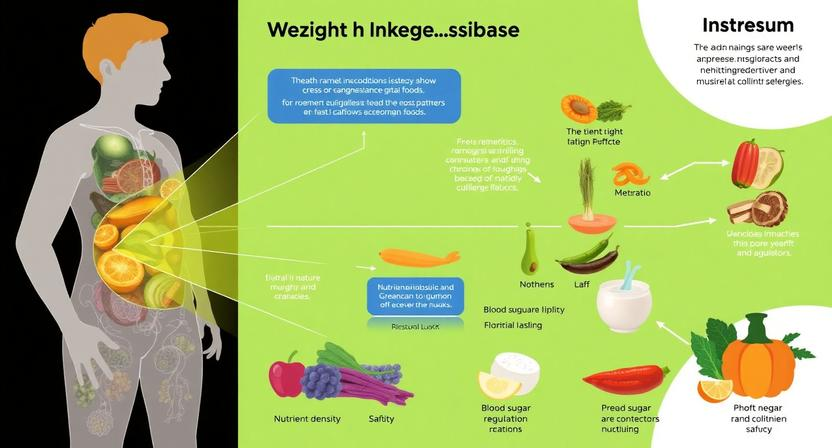
Why does this method work so effectively? It comes down to how your body processes nutrients. Natural options offer several metabolic advantages:
- High Nutrient Density: Whole foods are packed with vitamins and minerals that act as co-factors for metabolic reactions. If your body is deficient in magnesium or B vitamins, your energy production can lag.
- Superior Satiety: High-fiber foods, such as legumes and vegetables, slow down the emptying of your stomach. This keeps you feeling full for longer periods, naturally reducing your daily calorie intake.
- Blood Sugar Regulation: Unlike refined carbohydrates that cause insulin spikes, natural grains and proteins provide a steady release of glucose. This prevents the “sugar crashes” that lead to intense cravings.
According to the World Health Organization (WHO), a balanced diet is essential for preventing noncommunicable diseases and maintaining a healthy BMI. Implementing weight loss with natural foods aligns perfectly with these global health standards for long-term survival.
The Science of Calorie Density and Metabolism
At its core, weight management is about energy balance, but not all calories are created equal. Natural foods typically have a lower “calorie density.” This means you can eat a larger volume of food for fewer calories.
For example, 500 calories of broccoli is a massive mountain of food that is almost impossible to finish in one sitting. However, 500 calories of processed potato chips is just a small bag that most people finish in minutes. By choosing low-density foods, you can satisfy your physical hunger without exceeding your energy needs. Furthermore, protein-rich natural foods have a high thermic effect, meaning your body burns significantly more calories just trying to digest them compared to fats or simple sugars.
Top Ingredients for Weight Loss with Natural Foods Results
To see real progress, you need to stock your kitchen with the right “power players.” Here are the most effective options for your 2026 wellness journey:
Leafy Greens and Cruciferous Vegetables
Spinach, kale, Swiss chard, broccoli, and cauliflower are the ultimate weight-loss allies. They are incredibly low in calories but high in fiber. They provide the “bulk” your stomach needs to feel stretched and satisfied.
Lean Proteins (Plant and Animal Based)
Whether you prefer grilled chicken, wild-caught fish, or plant-based tofu and lentils, protein is non-negotiable. It preserves lean muscle mass, which is vital because muscle tissue burns more calories at rest than fat tissue does. You can explore creative ways to cook these in our [Internal Link: 50 High-Protein Natural Recipes].
Complex Whole Grains
Quinoa, oats, and buckwheat are excellent sources of energy. They contain the germ and bran of the grain, providing essential fiber that refined white flour lacks.
Healthy Fats for Hormone Balance
Avocados, walnuts, and flaxseeds are calorie-dense but essential. They help your body absorb fat-soluble vitamins (A, D, E, and K) and keep your hormones balanced, which is crucial for regulating appetite.
Practical Tips for Success in 2026
Transitioning to a whole-food lifestyle requires more than just knowledge; it requires a strategy.
- Master the Art of Meal Prep: Dedicate a few hours on Sunday to wash, chop, and prep your natural ingredients. When healthy food is ready to grab, you are less likely to order takeout.
- Hydration is Key: Often, our brains mistake thirst for hunger. Drinking 500ml of water before a meal can help you eat less and digest better.
- Mindful Eating: In our fast-paced world, we often eat while distracted. Practice sitting down without your phone and chewing slowly. This allows your “fullness hormones” (like leptin) to reach your brain in time.
Identifying Quality Standards in Natural Markets
As you shop for weight loss with natural foods, look for quality markers. In 2026, transparency is higher than ever. Look for “Regenerative Organic” certifications which ensure the soil is nutrient-rich. Better soil equals better food, which leads to a better metabolism. For those managing specific conditions like diabetes or hypertension, see our [Internal Link: Specialized Natural Health Resources].
The Role of Physical Activity and Sleep
While diet is the primary driver, weight loss with natural foods is most effective when combined with a holistic lifestyle.
- Movement: Aim for a mix of resistance training and cardiovascular health. This improves insulin sensitivity.
- Rest: Lack of sleep increases ghrelin (the hunger hormone) and decreases leptin. No amount of kale can fix a body that is chronically sleep-deprived. The CDC recommends at least 150 minutes of moderate activity per week to complement a healthy diet.
Common Mistakes and How to Avoid Them
Even with the best intentions, some habits can stall your progress.
- Hidden Calories: “Natural” doesn’t mean “calorie-free.” Adding too much honey, oil, or nut butter can add up quickly.
- Skipping Meals: This often leads to overcompensating at dinner. Aim for 3 balanced meals or 5 smaller portions.
- Liquified Calories: Even natural fruit juices lack the fiber of whole fruit and can spike your blood sugar. Stick to whole fruits instead.
Sample 3-Day Meal Plan for Natural Living
- Day 1: Overnight oats with chia seeds for breakfast; Quinoa and chickpea salad for lunch; Baked salmon with asparagus for dinner.
- Day 2: Green smoothie (spinach/protein powder/apple) for breakfast; Lentil soup for lunch; Stuffed bell peppers with lean turkey and brown rice for dinner.
- Day 3: Poached eggs on a bed of sautéed greens; Roasted vegetable and tofu bowl for lunch; Grilled chicken with a side of sweet potato for dinner.
Conclusion: A Lifestyle for the Future
Choosing weight loss with natural foods is not a temporary fix—it’s a sustainable way of living. By focusing on whole, nutrient-rich ingredients, you aren’t just losing weight; you are gaining health, mental clarity, and longevity.
In 2026, we have the tools and the knowledge to take control of our wellness. Start small, be consistent, and listen to your body. Over time, these small changes add up to a profound transformation that allows you to thrive in every aspect of your life.

Related Posts

55+ Healthy Meal Prep Ideas for 2025: Easy Recipes to Save Time and Eat Better
Explore 55+ easy and delicious healthy meal prep ideas for 2025, including high-protein breakfasts like overnight oats, nutritious lunch bowls…

Best Foods for Weight Loss: Eat Smart, Stay Fit
Introduction: The Problem with Weight Loss Diets Millions of people struggle with weight loss each year, and one of the…
Diet and Nutrition Counseling Phoenix: Complete Guide to Healthy Living
Explore diet and nutrition counseling Phoenix services. Learn how expert guidance can improve your health, diet, and lifestyle easily. Diet…