
You bought avocados on Monday for Friday’s guacamole, and on Friday they are still hard as cricket balls. Or the opposite: rock-hard on Tuesday, brown and stringy by Thursday. Avocados ripen on their own schedule — unless you know how to change it. Here is how to ripen avocados faster when you are in a hurry, how to slow them down when you are not, and how to tell the exact moment one is ready.
First, one piece of science that explains everything below: avocados ripen by releasing a natural plant hormone gas called ethylene — and they ripen faster when they breathe in more of it. Every real method here works by concentrating ethylene around the fruit. Every fake one tries to cheat with heat, and heat is where avocados go to be ruined politely.
How to Tell Where Your Avocado Is Right Now
Before choosing a method, check the fruit:
- Hard, bright green, no give at all — 4 to 7 days from ripe at room temperature.
- Darkening skin, slight give — 1 to 2 days away.
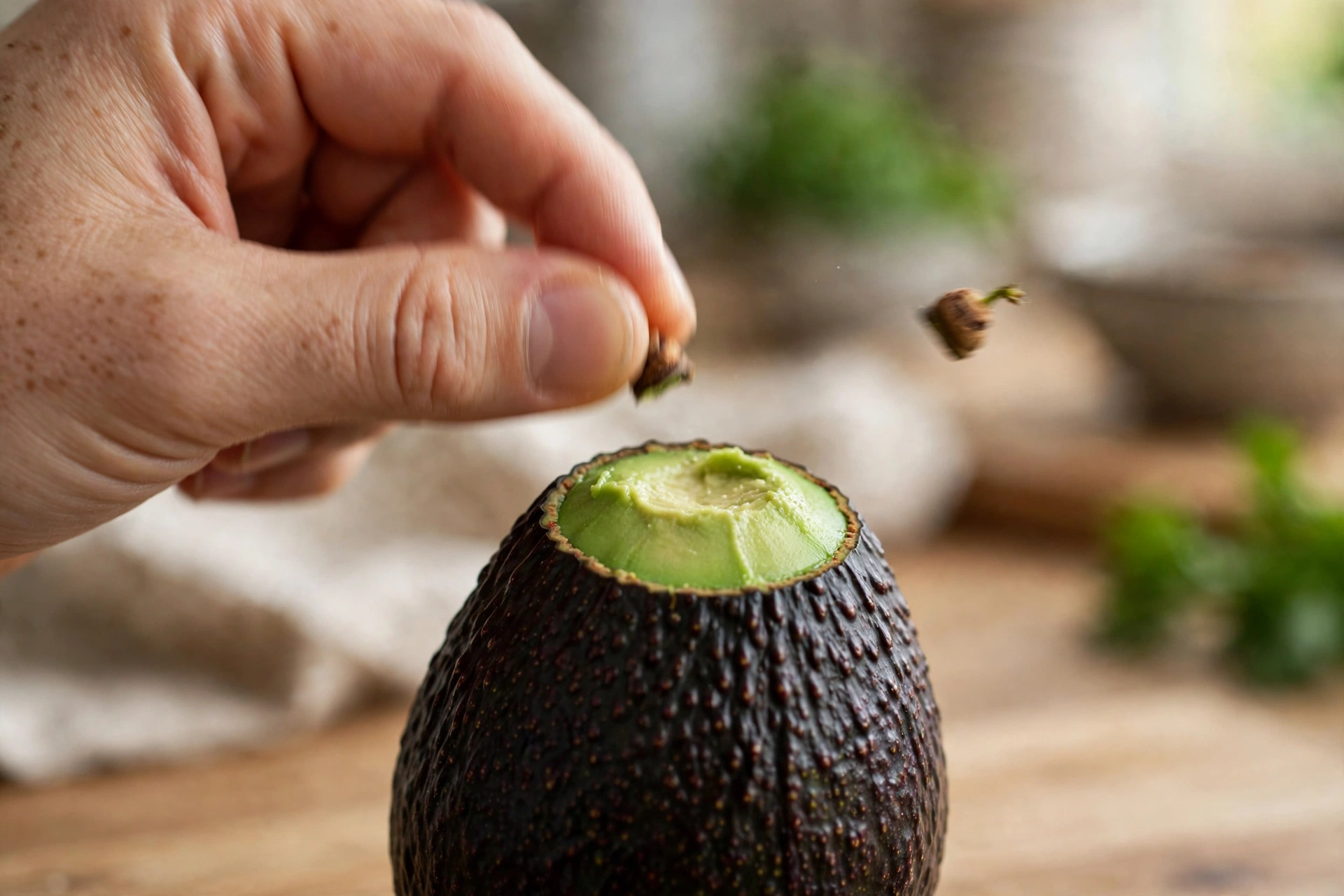
- The stem test (most reliable): flick off the little stem cap at the top. If it comes away easily and the flesh underneath is green, the avocado is ripe or nearly there. If the cap will not budge, it is not ready. If underneath is brown, it is past its best.
- The squeeze test (use it gently): hold the avocado in your palm and squeeze with your whole hand, not your fingertips — fingertip pressure bruises ripe fruit. A ripe avocado gives slightly, like a firm handshake.
Method 1: The Paper Bag (The One That Actually Works)
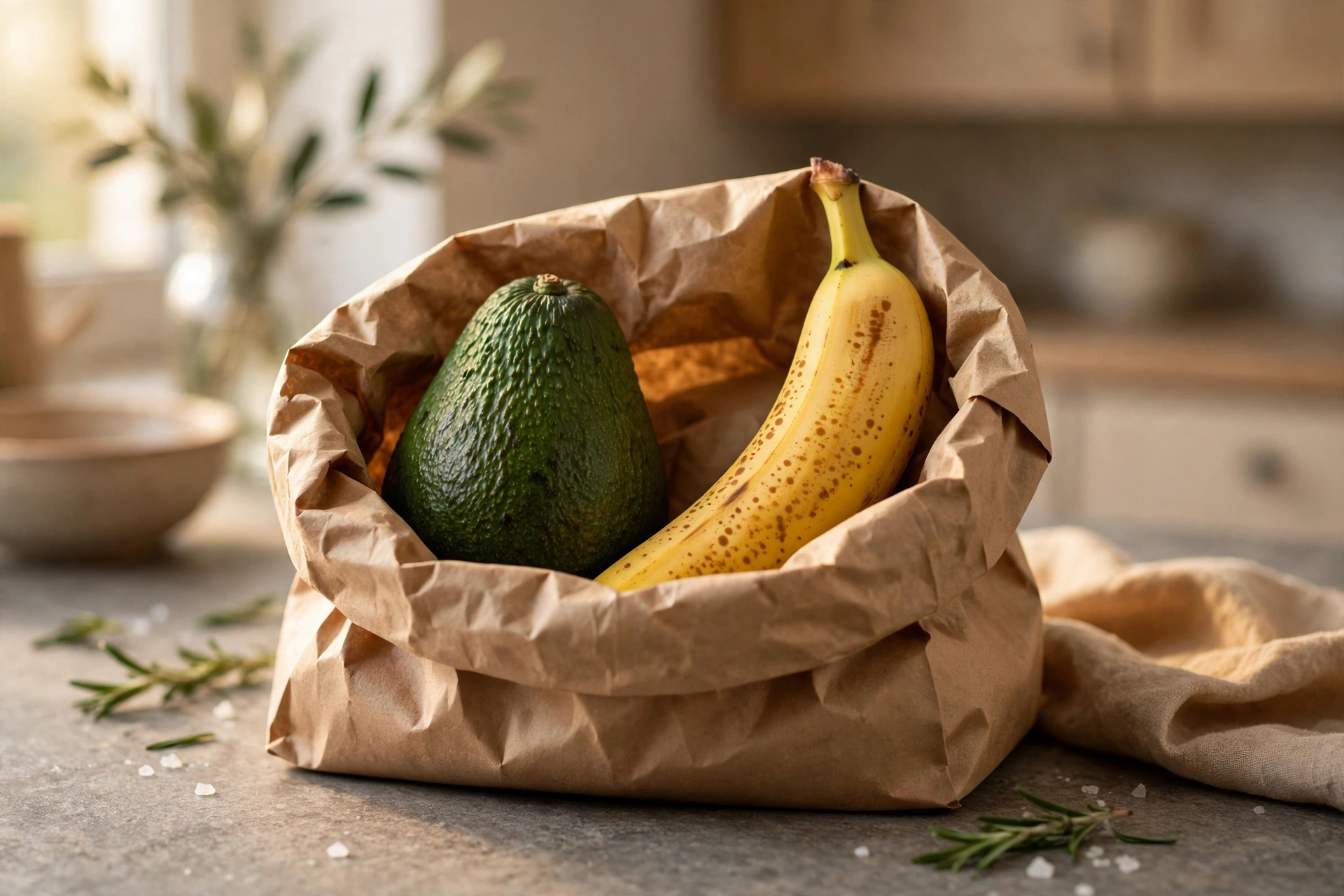
Put the avocado in a paper bag, fold the top closed, and leave it on the counter. The bag traps the fruit’s own ethylene around it, and ripening speeds up noticeably — typically ripe in 2 to 3 days instead of 4 to 7.
Why paper and not plastic? Paper breathes just enough to stop moisture building up and encouraging mould, while still holding the gas in. A plastic bag traps both ethylene and damp air — faster, yes, but riskier for spoilage.
Method 2: Add a Banana or Apple (The Turbo Version)
Add a ripe banana or an apple to the same paper bag. Bananas and apples are champion ethylene producers, and their gas pushes the avocado along faster — often ripe within 1 to 2 days. This is the method to use when the guacamole is tomorrow, not Friday.
Check the bag every day. The same gas that saves your schedule will overshoot it if you forget the bag exists until the weekend.
Method 3: Bury It in Rice or Flour (The Old-School Version)
Submerging an avocado in a container of uncooked rice or flour works on the same principle — it surrounds the fruit and concentrates its ethylene. It is slower and messier than the bag, and frankly the bag does the same job with less washing-up, but if your grandmother swore by the rice jar, she was scientifically right.
2 Methods That Don’t Work (Save Your Avocados)
The oven trick. Wrapping an unripe avocado in foil and baking it at a low temperature for 10 minutes does make it soft — and that is all it does. Heat-softened avocado is not ripe avocado: the flavour stays green and grassy, the texture goes oddly watery, and it will disappoint in every recipe. It is cooked, not ripened.
The microwave trick. Same story, faster. Thirty-second bursts soften the flesh by steaming it from the inside. If you desperately need something spreadable this second, it produces a warm, mild mush — acceptable in an emergency smoothie, useless for good guacamole or toast.
Neither method creates the flavour compounds real ripening produces. There is no shortcut around the ethylene; there is only managing it.
Need the Opposite? How to Slow Ripening Down
Bought a whole net of avocados and they all ripened at once? The fridge is your brake pedal. Whole, ripe avocados keep 2 to 3 extra days in the refrigerator — the cold slows ripening almost to a stop, and the flesh inside stays green and good. (Never refrigerate unripe avocados for long: prolonged cold before ripening can damage the flesh and stop it ripening properly afterwards. Ripen on the counter first, then chill.)
A ripe avocado also freezes well for smoothies: halve, peel, and freeze the flesh — or freeze it mashed with a squeeze of lemon juice — for up to about 3 months.
Already Cut One? Keep the Other Half Green
The enemy of a cut avocado is air: the flesh browns within hours. Three defences, best combined:
- Leave the stone in the half you are saving — it does not stop browning by magic, but it shields the flesh directly underneath it.
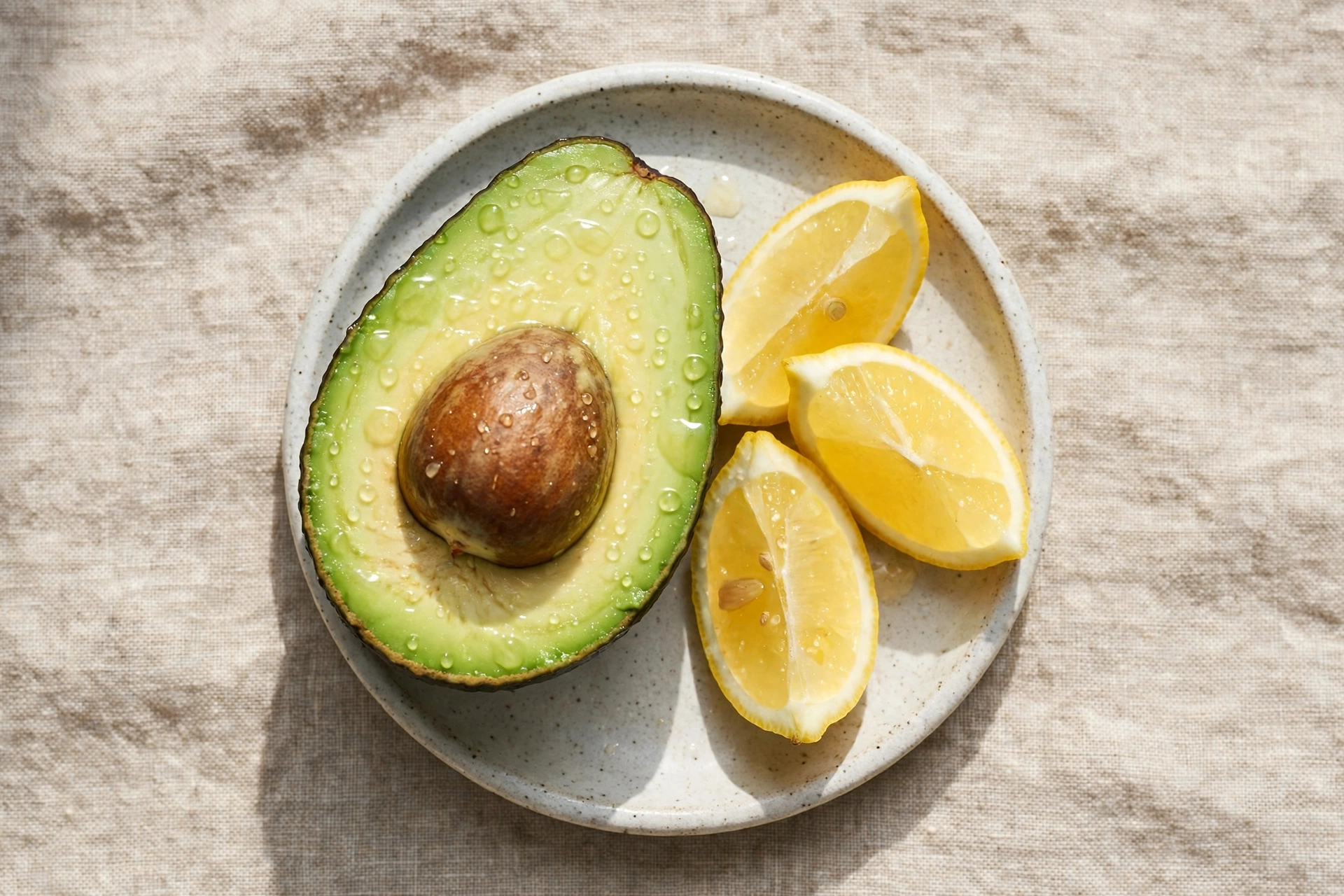
- Brush the cut surface with lemon or lime juice — the acid slows the browning reaction.
- Press wrap directly onto the flesh (no air pocket), or store the half cut-side down in a shallow layer of water in a sealed container in the fridge, and eat it within a day. Use it first in cooked dishes and smoothies if it has darkened slightly — a little surface browning is a quality issue, trimmed away in seconds.
Once it is ripe and sliced, avocado is also at its best in simple things — spread thick on toast as part of a proper morning spread like the ones in our healthy breakfast ideas, or layered into a good health sandwich.
How Long Does It All Take? (Summary)
| Starting point | On the counter | Paper bag | Bag + banana/apple |
|---|---|---|---|
| Hard & green | 4–7 days | 2–3 days | 1–2 days |
| Starting to soften | 1–2 days | About 1 day | Check within hours |
| Ripe | Eat today | — | — (move to fridge for +2–3 days) |
Frequently Asked Questions
How do you ripen an avocado in one day? The paper bag with a ripe banana is the fastest honest method — a nearly-ripe avocado can be ready within about a day. A rock-hard one will not truly ripen in a day by any method; plan two days.
Does putting an avocado in rice really ripen it? Yes — rice traps the avocado’s own ethylene around it, the same principle as the paper bag. It works, just with more mess.
Can you ripen an avocado in the oven? You can soften it, but you cannot ripen it. The flavour stays underdeveloped and the texture suffers. Not recommended for anything you plan to taste.
Should avocados be stored in the fridge? Only after they are ripe — then the fridge buys you 2 to 3 extra days. Unripe avocados belong on the counter until they give under gentle pressure.
How can you tell if an avocado has gone bad? Dark, mushy flesh with brown or black streaks, a sour or chemical smell, or mould on the skin. A few small dark spots under the skin of a soft avocado are usually fine once trimmed.
The Takeaway
Ripening avocados is not luck — it is gas management. Trap the ethylene (paper bag, plus a banana when you are in a rush) to speed things up; use the fridge to slow a ripe fruit down; and skip the oven tricks, which produce soft fruit that never learned how to taste like an avocado. Check with the stem cap, squeeze with your palm, and you will hit the perfect day far more often than you miss it.
Nutrition figures and variety information: USDA FoodData Central. Ripening and handling guidance: the California Avocado Commission.
Related Posts

Bar Rascal: The Ultimate Hidden Gem Experience in 7 Irresistible Ways
Bar Rascal is a bold and unforgettable dining destination offering creative cuisine, vibrant ambiance, and an elevated social experience you…

Kitchen Cooking Tips: Simple Techniques to Cook Better Meals Every Day
Discover simple kitchen cooking tips for beginners to improve flavor, avoid mistakes, and organize the kitchen efficiently. Introduction Great cooking…

The Culinary Compass: Navigating the World of Food, Recipes, and Healthy Eating
Food is more than just sustenance; it's a journey through culture, a celebration of community, and a cornerstone of personal…