Summary: Japanese Food Recipes
Japanese food recipes are known for their balance, simplicity, and deep respect for ingredients. They focus on fresh produce, seasonal cooking, and techniques that preserve natural flavors. From sushi and ramen to miso soup and tempura, Japanese cuisine offers a wide variety of healthy, delicious, and visually appealing dishes. This article explores traditional Japanese food recipes, essential ingredients, cooking methods, health benefits, and easy recipes you can prepare at home.
Discover authentic Japanese food recipes, traditional ingredients, cooking methods, and easy dishes you can prepare at home for healthy and delicious meals.
Introduction
Japanese cuisine has earned worldwide recognition for its elegance, nutrition, and harmony of flavors. Japanese food recipes are deeply rooted in tradition, culture, and seasonal awareness. Rather than heavy spices or complex sauces, Japanese cooking emphasizes freshness, balance, and natural taste.
What makes Japanese food unique is its philosophy: food should nourish the body, please the eyes, and respect nature. Whether it’s a simple bowl of rice or an elaborate sushi platter, every dish reflects care and precision. In this guide, we’ll explore the foundations of Japanese food recipes, popular dishes, essential ingredients, and easy recipes suitable for home cooks.
What Makes Japanese Food Recipes Unique?
Japanese cooking follows a minimalist yet thoughtful approach.
Key Characteristics of Japanese Cuisine
- Emphasis on fresh and seasonal ingredients
- Light seasoning to enhance natural flavors
- Balanced meals with rice, protein, and vegetables
- Visually appealing presentation
- Health-focused cooking methods
These principles make Japanese food recipes both delicious and nourishing.
Essential Ingredients in Japanese Food Recipes
Understanding core ingredients is key to cooking authentic Japanese dishes.
Staple Ingredients
- Rice
- Soy sauce
- Miso paste
- Dashi (broth)
- Tofu
- Seaweed (nori, wakame)
Common Seasonings
- Mirin
- Rice vinegar
- Sesame oil
- Ginger
- Wasabi
These ingredients create the signature flavors of Japanese food recipes.
Popular Traditional Japanese Food Recipes
Sushi Recipes
Sushi is one of the most famous Japanese dishes.
Common Types:
- Nigiri
- Maki rolls
- California rolls
- Vegetarian sushi
Sushi focuses on perfectly cooked rice and fresh fillings.
Ramen Recipes
Ramen is a comforting noodle soup enjoyed worldwide.
Key Components:
- Rich broth
- Wheat noodles
- Toppings like eggs, chicken, or vegetables
Ramen recipes vary by region, offering endless flavor options.
Miso Soup Recipe
A daily staple in Japanese households.
Why it’s popular:
- Light and nourishing
- Supports digestion
- Easy to prepare
Miso soup is often served with meals.
Tempura Recipes
Tempura involves lightly battered and fried vegetables or seafood.
Common Tempura Items:
- Shrimp
- Sweet potato
- Zucchini
- Mushrooms
The batter is light, making tempura crisp but not greasy.
Teriyaki Recipes
Teriyaki dishes feature grilled or pan-cooked protein glazed with a sweet-savory sauce.
Popular Options:
- Chicken teriyaki
- Salmon teriyaki
- Tofu teriyaki
These recipes are easy and family-friendly.
Easy Japanese Food Recipes for Beginners
Japanese Rice Bowl (Donburi)
A simple one-bowl meal.
Ingredients:
- Steamed rice
- Vegetables
- Protein (chicken, egg, or tofu)
Perfect for quick lunches or dinners.
Vegetable Stir-Fry (Yasai Itame)
A light and healthy dish.
Why it’s great:
- Quick to cook
- Uses seasonal vegetables
- Minimal oil
Ideal for healthy eating.
Japanese Omelette (Tamagoyaki)
A sweet and savory rolled omelette.
Features:
- Soft texture
- Mild flavor
- Great for breakfast or bento boxes
Healthy Benefits of Japanese Food Recipes
Japanese cuisine is often associated with longevity and wellness.
Health Advantages
- Low in saturated fat
- High in vegetables and seafood
- Balanced portions
- Supports digestion
Japanese food recipes promote mindful and nutritious eating.
Cooking Techniques Used in Japanese Cuisine
Steaming
Preserves nutrients and flavor.
Grilling
Used for fish and meat with minimal oil.
Simmering
Common for soups and stews.
Raw Preparation
Used in sushi and sashimi with extreme care.
These techniques keep meals light and healthy.
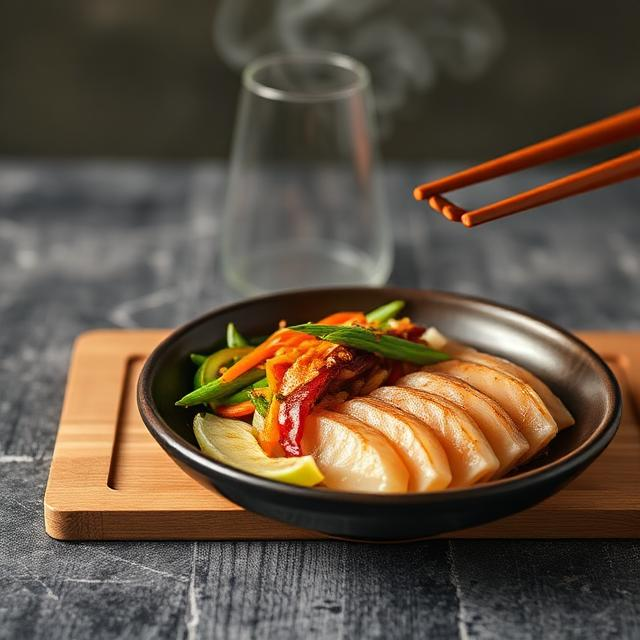
Japanese Food Recipes and Seasonal Eating
Seasonality plays a major role in Japanese cooking.
- Spring: Light vegetables and soups
- Summer: Cold noodles and fresh dishes
- Autumn: Mushrooms and root vegetables
- Winter: Hot pots and warming soups
Eating seasonally enhances nutrition and taste.
Japanese Street Food Recipes
Street food adds fun and flavor to Japanese cuisine.
Popular Street Foods
- Takoyaki
- Okonomiyaki
- Yakitori
These dishes are flavorful and widely loved.
Vegetarian and Vegan Japanese Food Recipes
Japanese cuisine offers many plant-based options.
Popular Choices
- Vegetable sushi
- Tofu dishes
- Seaweed salads
- Miso-based soups
These recipes are nutritious and satisfying.
How to Start Cooking Japanese Food at Home
Beginner Tips
- Start with simple recipes
- Use authentic ingredients
- Focus on technique, not speed
- Keep seasoning light
Japanese food recipes reward patience and precision.
Common Mistakes to Avoid
- Overusing soy sauce
- Overcooking vegetables
- Ignoring presentation
- Using heavy oils
Simplicity is key in Japanese cooking.
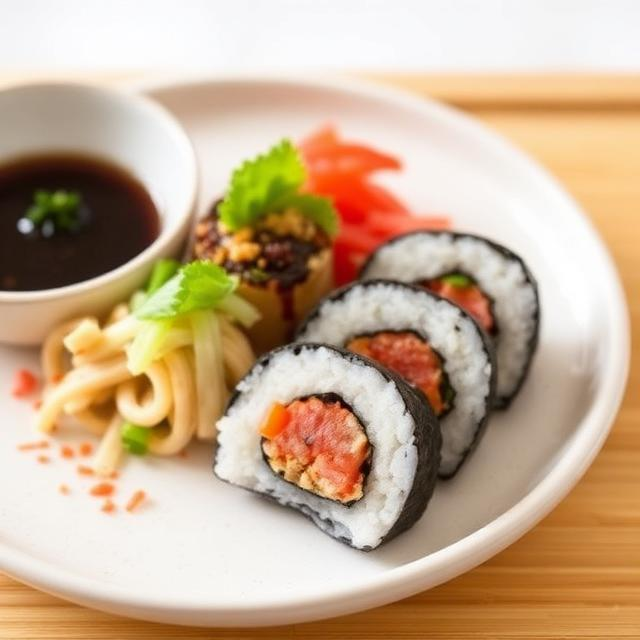
Meal Planning with Japanese Food Recipes
A typical Japanese meal includes:
- Rice
- Soup
- Main dish
- Side vegetables
This balance supports overall health.
Japanese Food Recipes vs Other Asian Cuisines
| Feature | Japanese | Chinese | Thai |
|---|---|---|---|
| Flavor | Light | Bold | Spicy |
| Oil Use | Low | Medium | Medium |
| Focus | Balance | Variety | Herbs |
Japanese food recipes stand out for their simplicity.
Budget-Friendly Japanese Cooking
You can cook Japanese food affordably by:
- Using seasonal vegetables
- Buying rice in bulk
- Choosing tofu and eggs
Many Japanese recipes are economical.
Cultural Importance of Japanese Food
Food is deeply connected to Japanese culture.
- Meals are eaten mindfully
- Presentation shows respect
- Seasonal ingredients honor nature
Japanese food recipes reflect tradition and values.
Conclusion: Why Japanese Food Recipes Are Worth Trying
Japanese food recipes combine health, flavor, and tradition in a unique way. With fresh ingredients, light cooking methods, and balanced meals, Japanese cuisine supports both physical well-being and mindful eating. Whether you’re a beginner or an experienced cook, exploring Japanese recipes can transform your approach to food and nutrition.
By starting with simple dishes and understanding the core principles, you can enjoy authentic Japanese meals at home while embracing a healthier lifestyle.
FAQs – Japanese Food Recipes
Q1: Are Japanese food recipes healthy?
Yes, they are low in fat, balanced, and nutrient-rich.
Q2: Is Japanese food difficult to cook?
Not at all. Many recipes are simple and beginner-friendly.
Q3: Can vegetarians eat Japanese food?
Yes, many dishes use vegetables, tofu, and rice.
Q4: What is the easiest Japanese dish to start with?
Miso soup, rice bowls, and stir-fried vegetables.
Related Posts

15 Science-Backed Immunity Boosting Recipes to Strengthen Your Natural Defenses
Discover powerful immunity boosting recipes backed by nutritional science. From…
Perfect Boiled Cabbage and Potatoes Recipe (Tips & Variations)
Learn how to make tender, buttery boiled cabbage and potatoes.…

Peruvian Chicken Recipe (Pollo a la Brasa with Green Sauce)
If you’re looking for a chicken dish that’s juicy, smoky,…