Jhalmudi is a spicy, crunchy Indian street snack loved for its bold flavors and health benefits. Discover its history, ingredients, recipe, and why it’s so popular today.
Jhalmudi is more than just a snack—it’s a burst of flavor, culture, and tradition packed into a simple paper cone. Found on the bustling streets of India, especially in West Bengal, this crunchy delight has won the hearts of millions. If you’ve ever walked past a street vendor tossing puffed rice with spices and fresh ingredients at lightning speed, chances are you’ve witnessed the magic of jhalmudi.
In this detailed guide, we’ll explore everything about jhalmudi—from its origins and ingredients to health benefits, recipe tips, and frequently asked questions. Let’s dive in!
What Is Jhalmudi?
Meaning and Cultural Significance
The word “jhal” means spicy, and “mudi” refers to puffed rice in Bengali. So, jhalmudi literally translates to “spicy puffed rice.” But honestly, it’s much more than that. It represents the vibrant street food culture of India, especially in Kolkata.
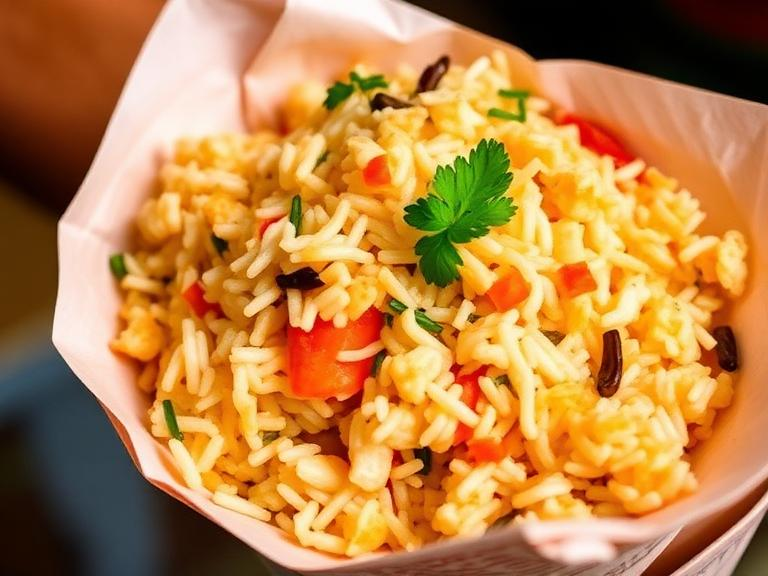
Jhalmudi is commonly served in rolled newspaper cones, making it both eco-friendly and nostalgic. It’s not just food—it’s an experience filled with chatter, laughter, and the aroma of mustard oil.
Why It’s a Street Food Icon
From railway stations to beaches, jhalmudi vendors are everywhere. Its quick preparation and low cost make it a go-to snack for students, office workers, and travelers. Plus, it’s light yet satisfying—perfect for an evening craving.
The Origin and History of Jhalmudi
Roots in West Bengal
Jhalmudi traces its roots to Kolkata, the capital of West Bengal. Street vendors in the late 19th and early 20th centuries began mixing puffed rice with mustard oil, spices, onions, and green chilies. Over time, it became a staple snack in Bengali households.
Evolution Across India
As people migrated, so did their food. Jhalmudi traveled across India, adapting to local tastes. While its core ingredients remain the same, slight regional twists have emerged, making it even more exciting.
Key Ingredients in Jhalmudi
The Role of Puffed Rice
Puffed rice is the heart of jhalmudi. It’s light, airy, and low in calories. This humble ingredient acts as the perfect base to absorb flavors from spices and oils.
Essential Spices and Chutneys
The bold taste of jhalmudi comes from:
- Mustard oil
- Red chili powder
- Chaat masala
- Roasted cumin powder
- Tamarind chutney
Mustard oil gives it a distinct aroma that sets authentic jhalmudi apart.
Fresh Additions That Elevate Flavor
Fresh ingredients add crunch and brightness:
- Finely chopped onions
- Tomatoes
- Boiled potatoes
- Coriander leaves
- Green chilies
- Roasted peanuts
Each bite becomes a mix of spicy, tangy, and crunchy goodness.
How to Make Jhalmudi at Home
Step-by-Step Preparation Guide
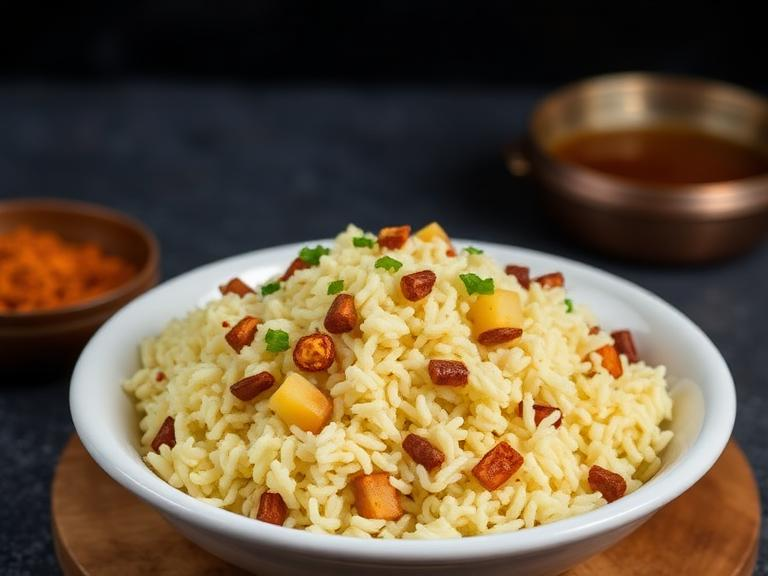
Here’s a simple recipe:
Ingredients:
- 2 cups puffed rice
- 1 small onion (finely chopped)
- 1 boiled potato (diced)
- 2 tablespoons roasted peanuts
- 1 teaspoon mustard oil
- ½ teaspoon red chili powder
- ½ teaspoon chaat masala
- Tamarind chutney (optional)
- Salt to taste
Instructions:
- In a large bowl, add puffed rice.
- Mix in onions, potatoes, and peanuts.
- Add mustard oil and spices.
- Toss everything quickly.
- Serve immediately to maintain crunch.
Pro Tips for Authentic Taste
- Always mix just before serving.
- Use high-quality mustard oil.
- Adjust spice level to preference.
- Add sev for extra crunch if desired.
Nutritional Value of Jhalmudi
Calories and Macronutrients
A standard serving of jhalmudi contains approximately:
| Nutrient | Amount (Approx.) |
|---|---|
| Calories | 150–200 |
| Carbohydrates | 30g |
| Protein | 4–5g |
| Fat | 4–6g |
Health Benefits
- Low in fat
- Rich in fiber
- Light on the stomach
- Customizable for healthier versions
By reducing chutneys and oil, jhalmudi can be a guilt-free snack.
Variations of Jhalmudi Across India

Kolkata-Style Jhalmudi
This version uses generous mustard oil and green chilies. The flavor is sharp and spicy.
Mumbai Twist
In Mumbai, vendors may add sev and sweet chutney, giving it a sweeter taste.
Modern Fusion Versions
Some cafes now offer baked or international-style jhalmudi with avocado, olives, or even cheese.
Jhalmudi vs. Bhel Puri: What’s the Difference?
Ingredients Comparison
While both use puffed rice, bhel puri typically includes sweet chutneys and sev as core ingredients.
Taste and Texture Differences
Jhalmudi is spicier and more mustard-forward, while bhel puri is sweeter and tangier.
Why Jhalmudi Is So Popular
Affordability and Accessibility
It’s cheap, quick, and available almost everywhere in eastern India.
Customizable Flavors
Whether you like it mild or fiery, jhalmudi can be tailored to your taste.
Tips for Serving and Storing
- Serve immediately after mixing.
- Store dry ingredients separately.
- Avoid refrigeration after mixing—it softens quickly.
Frequently Asked Questions (FAQs)
1. Is jhalmudi healthy?
Yes, especially when made with minimal oil and fresh ingredients.
2. Can I make jhalmudi without mustard oil?
Yes, but the authentic flavor may be slightly different.
3. How long does jhalmudi stay fresh?
It’s best eaten immediately after preparation.
4. Is jhalmudi gluten-free?
Yes, as puffed rice is naturally gluten-free.
5. Can I add fruits to jhalmudi?
Some modern versions include raw mango or pomegranate.
6. Is jhalmudi spicy?
Traditionally, yes, but you can adjust the spice level.
Conclusion
Jhalmudi is not just a snack—it’s a symbol of India’s lively street culture. With its crunchy texture, bold spices, and refreshing ingredients, it continues to win hearts across generations. Whether you’re making it at home or enjoying it from a street vendor, jhalmudi promises a delightful culinary adventure.
Related Posts

Creamy Pasta Sauce Recipe | Easy Homemade Rich & Smooth White Sauce
Learn how to make a creamy pasta sauce recipe at…

Sweet Potato Bread Recipe (Moist, Soft & Perfect for Any Season)
If you love banana bread or pumpkin bread, then this…

Japanese Food Recipes: Authentic, Healthy, and Easy to Make at Home
Summary: Japanese Food Recipes Japanese food recipes are known for…