
The best meal prep containers are the ones you will actually use every week: a leakproof lid that clicks shut, a size that matches a real meal, a material you are happy to reheat and wash, and a shape that stacks neatly in your fridge.
If you want one simple starting point, choose glass containers with snap-lock lids for meals you will reheat at home, and a few lightweight plastic containers for lunches you carry out. This guide does not rank brands or quote prices that change from shop to shop. Instead, it gives you a clear checklist, a fair comparison of glass, plastic and stainless steel, and the mistakes that make meal prep frustrating — so you can pick the best containers for meal prep in your own kitchen.
Note: This article is general information about kitchen storage, not medical advice. If you have a specific health condition or dietary need, talk to a qualified health professional.
Start With Your Week, Not the Shop Shelf
Before you buy anything, think about how you actually eat. Do you cook five lunches on a Sunday, or just two or three dinners? Do you reheat food at work, or only at home?
Your answers decide the size, number and material you need. A single person prepping lunches needs a different set from a family prepping dinners for four.
A practical starting set for one person is five to seven containers of roughly one-meal size, plus two smaller ones for sauces or snacks. For ideas on what to cook in them, see our collection of meal prep recipes, written to portion neatly into single-serving boxes.
Glass vs Plastic vs Stainless Steel: An Honest Comparison
| Feature | Glass | Plastic | Stainless steel |
|---|---|---|---|
| Best for | Reheating at home | Carrying lunch, lighter bags | Durability, cold foods |
| Weight | Heaviest | Lightest | In between |
| Reheating | Generally microwave-safe without the lid; check the maker’s instructions | Only if marked microwave-safe | Not suitable for the microwave |
| Staining and smells | Resists staining and holds smells least | Can stain with tomato or curry and hold smells over time | Resists staining well |
| Breakability | Can chip or break if dropped | Bounces, but can warp or crack with heavy use | Very hard to break |
| Lids | Usually snap-lock with a seal | Snap-lock or press-on; quality varies | Often separate, sometimes silicone-sealed |
Glass suits reheating at home and stays clean after many washes. Plastic wins on weight and price for daily carrying. Stainless steel is the toughest, but it cannot go in the microwave, so it suits cold foods best.
The Buyer’s Checklist: What to Look For
Use this checklist before you buy — if a container fails the first three points, skip it.
- A lid that actually seals. Look for four locking tabs and a silicone seal around the rim, rather than a simple press-on lid. Test a new container with water before you trust it with soup in your bag.
- The right size — and shape. Most single meals fit in a container of about 700 ml to 1 litre, with smaller boxes for sides and sauces. Rectangular containers stack better in a fridge than round ones, which suit soups. Avoid very deep, narrow boxes.
- Easy to clean and dry. Look for smooth interiors, rounded corners and lids that come apart for washing, and check both parts are marked dishwasher-safe.
- Safe for how you will use it. Check the labels: choose plastic marked BPA-free, and only reheat in containers marked microwave-safe. Glass is generally microwave-safe without the lid, but always follow the maker’s instructions. Never put a lid in the oven unless the maker says it is safe. For general food-storage safety, the U.S. Food & Drug Administration and the USDA Food Safety and Inspection Service publish practical guidance on storing, refrigerating and reheating food safely.
- Compartments — only if you need them. Divided containers keep wet and dry foods apart, useful for salads and rice bowls. But they are harder to wash and less flexible, so start with plain containers and add divided ones later.
- Stacking and storage. Containers that nest when empty and stack when full save space — measure one fridge shelf before buying. For a wider rethink, see our guide to smart kitchen storage ideas and organisation.
Meal Prep Storage Containers: How to Use Them Well
Let cooked food cool briefly before you put the lid on, so steam does not make everything soggy. Do not leave cooked food out for a long time; get it into the fridge promptly. Pack sauces separately where you can, so salads stay crisp. Label each container, use the oldest meals first, and freeze portions you will not reach in the next few days.
Fresh herbs wilt quickly in a sealed box with hot food — our guide on how to store fresh herbs explains simple methods that keep them fresh for weeks.
Leakproof Lunch Containers: What Makes the Difference?
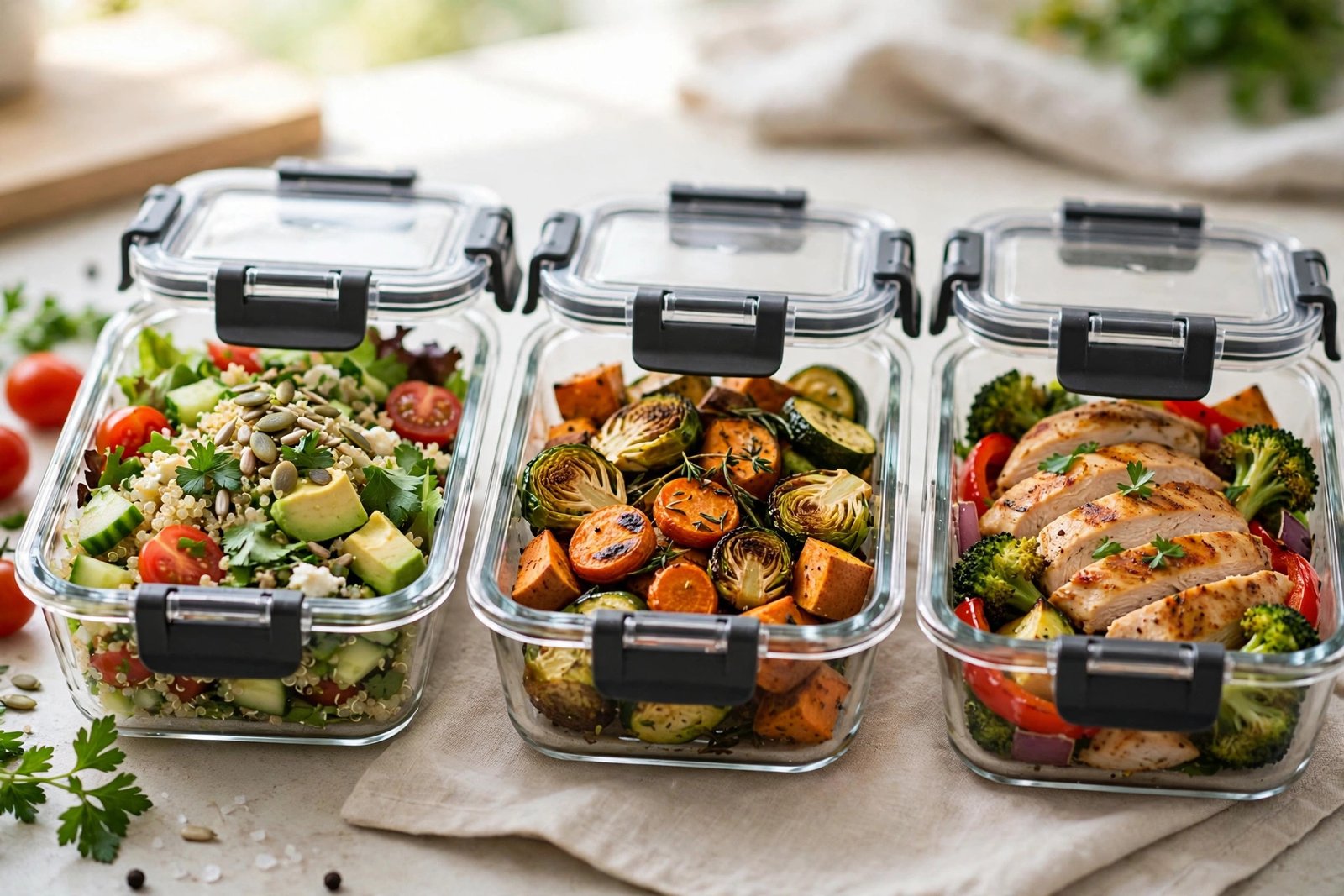
“Leakproof” appears on many labels, but not every lid lives up to it. The difference is usually in the seal, not the box: look for a continuous silicone ring inside the lid, four locking tabs that press down firmly, and a lid that sits flat without rocking. Two-tab and press-on lids are fine for dry foods, but risky for soups, curries and dressings.
Test a new container with water first: close the lid, turn it upside down over the sink, and leave it for a minute. When packing, put heavier foods at the bottom, keep dressings separate, and leave a little space at the top so the lid seals cleanly.
5 Mistakes to Avoid With Meal Prep Containers
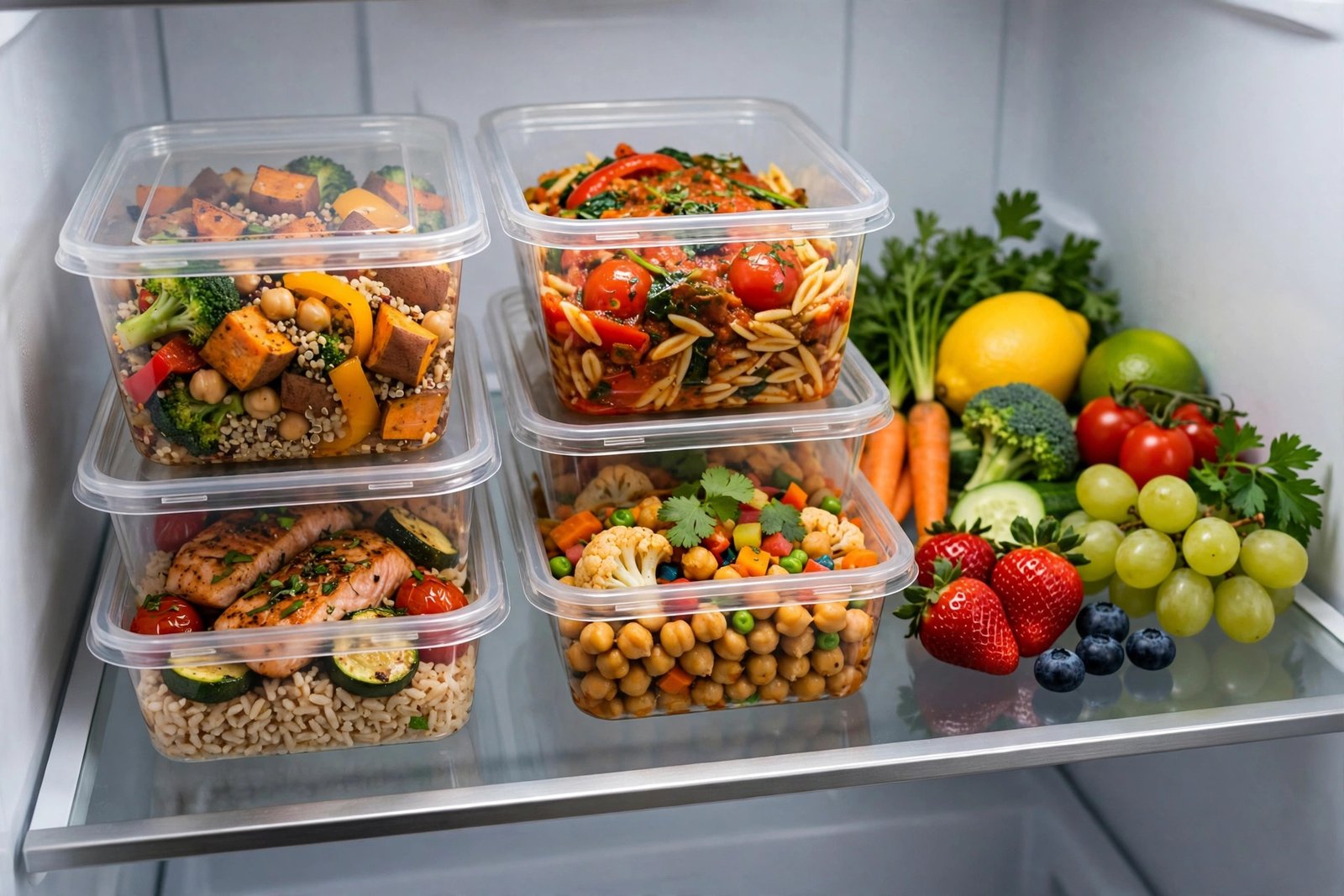
- Buying too many, too soon. A twenty-piece set looks like good value, but if half the sizes never suit your meals, it is money and cupboard space wasted. Start small, then buy more of the size you use most.
- Ignoring the lid. The lid decides whether food stays fresh and whether lunch leaks. Check it as carefully as the box, and keep spare lids if the maker sells them.
- Reheating in the wrong container. Not every container is safe for the microwave or oven, and heating food in one that is not marked safe can warp it or damage the seal. When in doubt, transfer food to a plate or a container you know is safe.
- Storing hot food with the lid sealed tight. Sealing a lid on steaming food traps moisture and makes food soggy. Let food cool briefly first, then seal.
- Keeping containers you no longer trust. A cracked container, a broken lid tab, or a seal that no longer sits flat will leak sooner or later. Replace worn pieces instead of hoping they hold for one more week.
How to Choose Your Set: Three Simple Scenarios
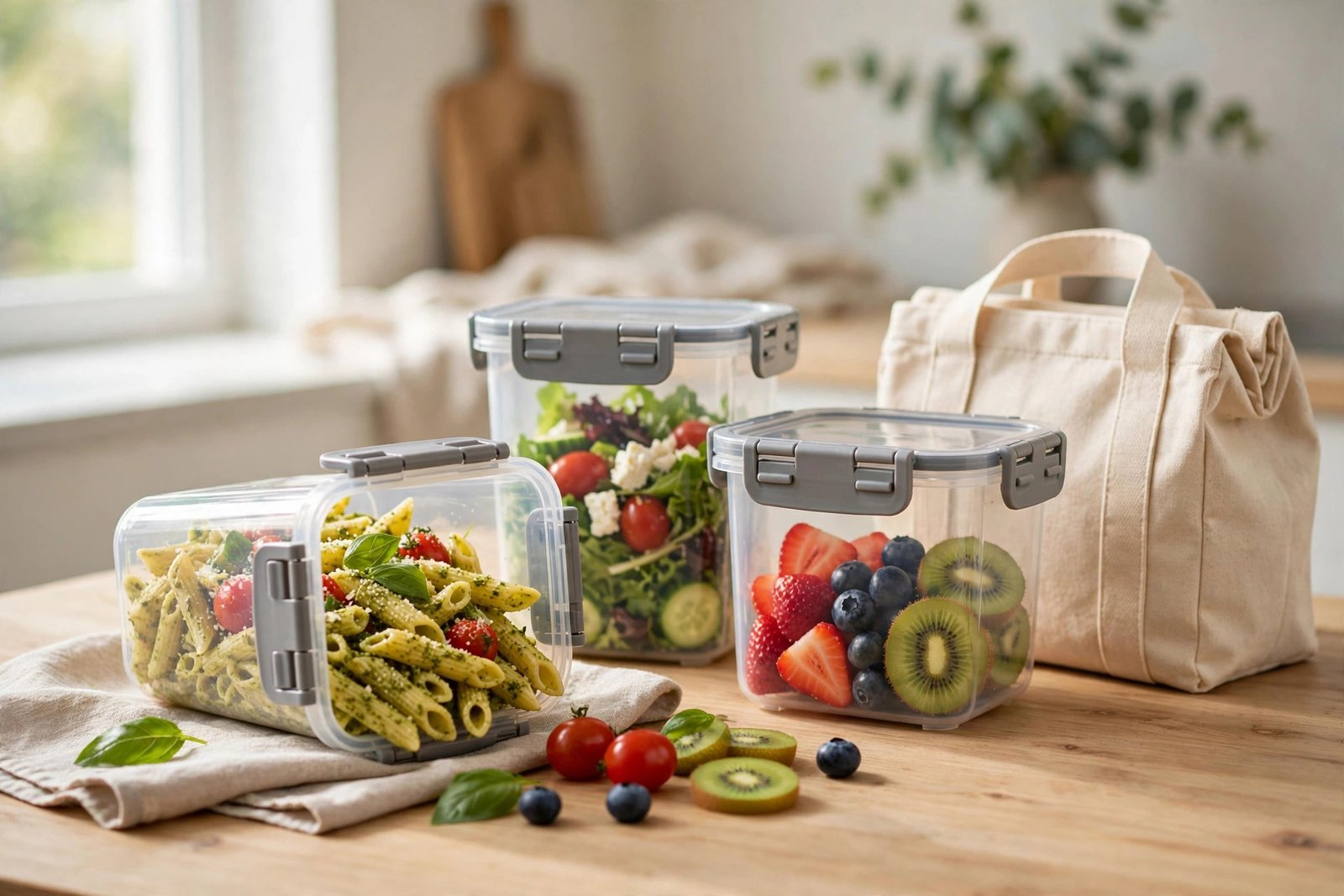
If you reheat lunch at home: choose glass containers with snap-lock lids in a one-meal size. They are easy to clean, do not stain, and reheat well without the lid.
If you carry lunch to work or school every day: choose lightweight plastic containers with four-tab leakproof lids, plus one small container for sauce. Keep a glass set at home for dinners.
If you want containers that last for years: consider stainless steel for cold foods and snacks, with glass for anything you will reheat. This is the most durable combination, though it costs more at the start.
Conclusion: Buy for Your Real Week
The best meal prep containers are not the most expensive set or the one with the most pieces. They are the containers with a lid that seals, a size that matches your meals, a material that suits how you reheat and carry food, and a shape that fits your fridge. Start small, test the lids, and build from there — healthy lunches will be ready when you need them.
FAQs
Q: What size meal prep containers should I buy?
A: For most single meals, a container of about 700 ml to 1 litre works well, with smaller 300 to 500 ml containers for sides and sauces. Start with one size and add others once you know what you use most.
Q: Are glass or plastic meal prep containers better?
A: It depends on how you use them. Glass is generally better for reheating at home and resists staining; plastic is lighter, usually cheaper, and better for carrying lunch daily. Many people use both: glass at home, plastic for travel.
Q: Are meal prep containers microwave-safe?
A: Only if they are marked microwave-safe by the maker. Glass containers are generally microwave-safe without the lid, but always check the instructions for your exact product. Never microwave stainless steel, and do not put a lid in the microwave or oven unless the maker says it is safe.
Q: How do I stop meal prep containers from leaking?
A: Choose a container with a silicone seal and four locking tabs, close all four tabs properly, and leave a little space at the top. Pack dressings separately, test a new container with water first, and replace lids when the seal no longer sits flat.
Q: How should I store food in meal prep containers?
A: Let cooked food cool briefly before sealing the lid, then refrigerate it promptly. Label each container, keep sauces separate, and eat the most perishable meals first. For safety guidance, check the advice from the U.S. Food & Drug Administration and the USDA Food Safety and Inspection Service.
Related Posts

Wine Bottle Refrigerator: The Complete Guide to Proper Wine Storage at Home
Looking for the best wine bottle refrigerator? Discover our complete guide to proper wine storage, temperature zones, types, and essential…
Best Recipes for Meal Prep: 7 Dishes That Taste Better on Day Three
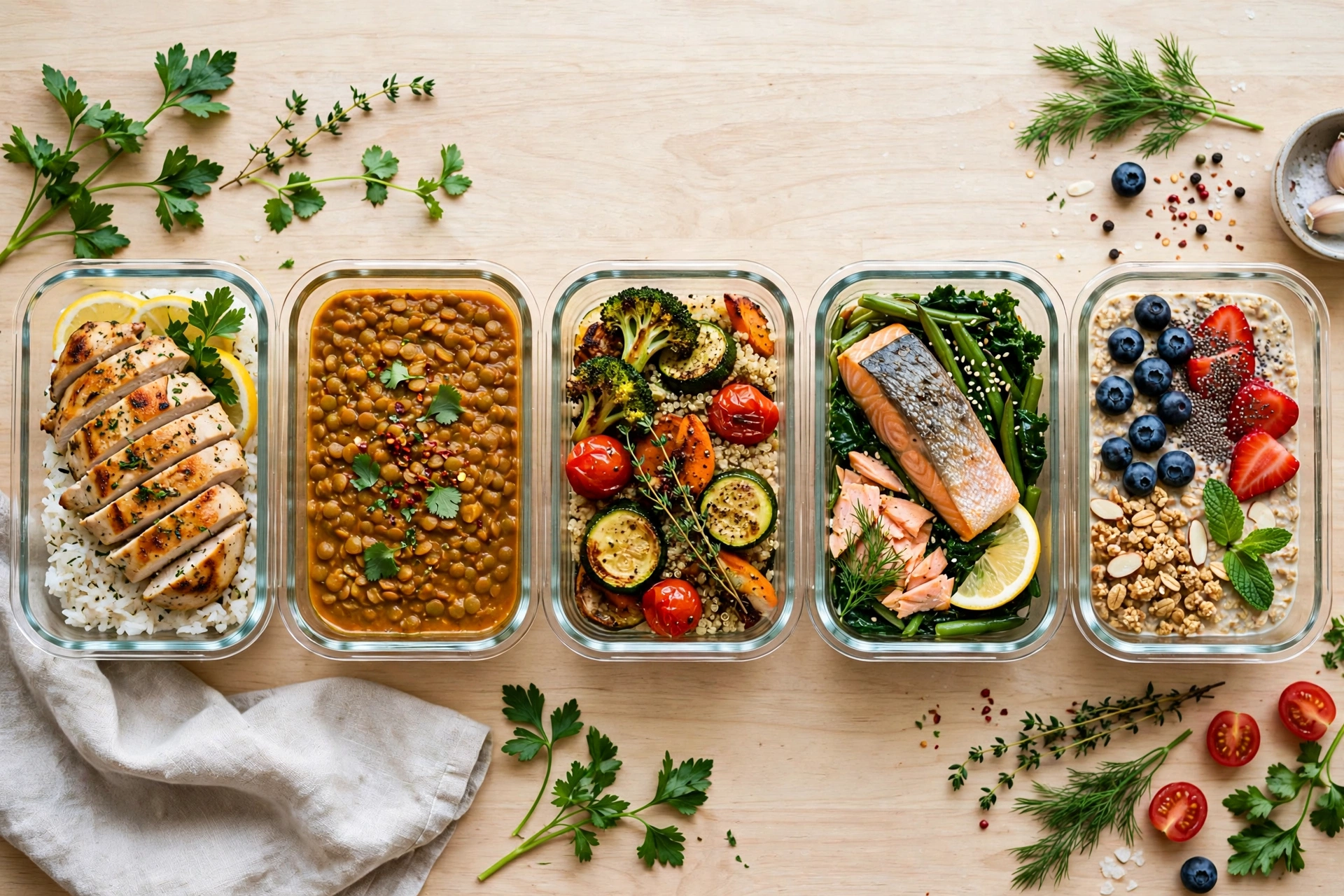
Best Recipes for Meal Prep: 7 Dishes That Taste Better on Day Three The best recipes for meal prep are…
Bar Cabinet with Wine Fridge: How to Choose the Right One
Bar Cabinet with Wine Fridge: How to Choose the Right One A home bar usually fails in one of two…