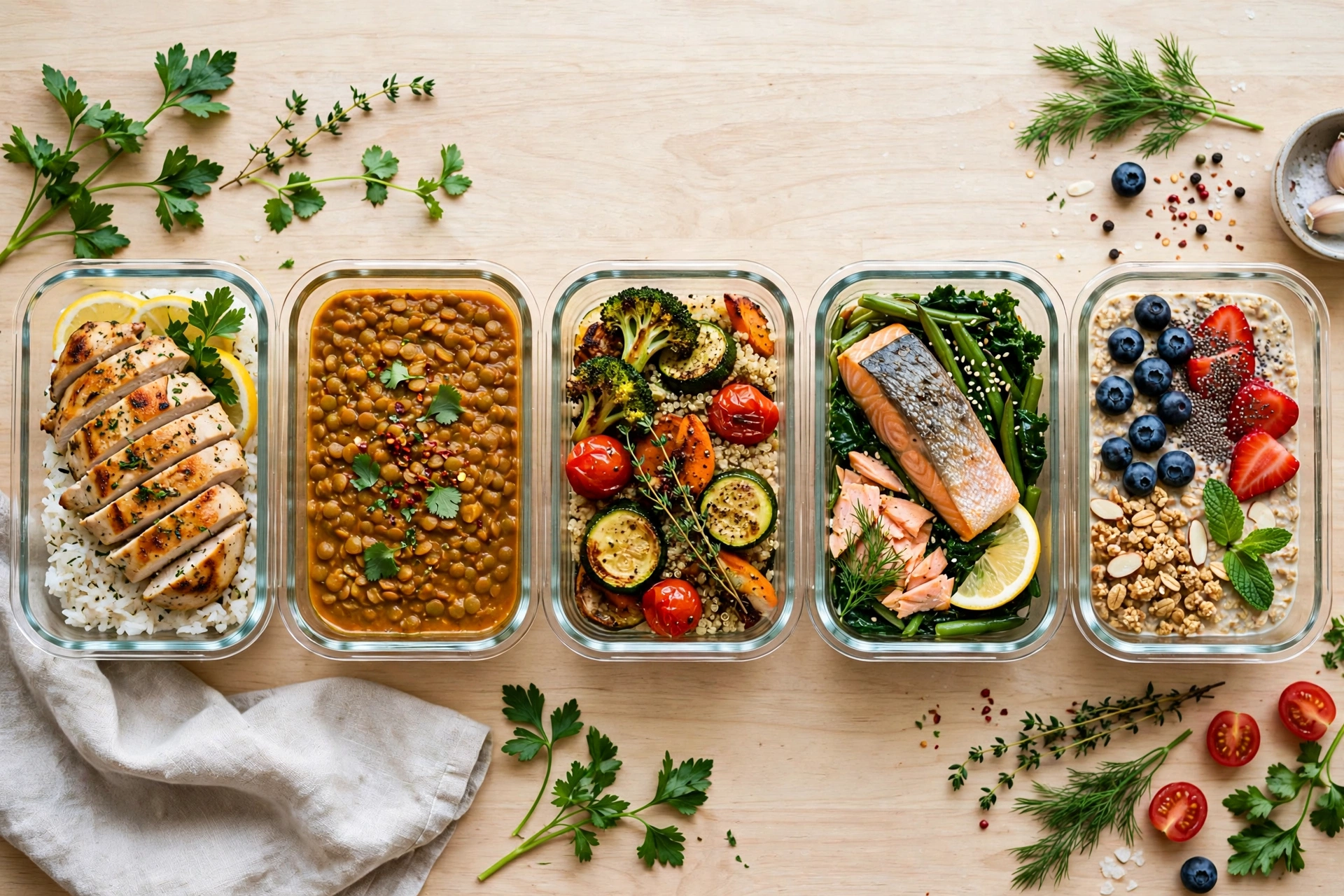
Best Recipes for Meal Prep: 7 Dishes That Taste Better on Day Three
The best recipes for meal prep are not the ones that look best on Sunday. They are the ones that still taste good on Wednesday, when the container has been through the microwave twice. A recipe that dries out, goes soggy or turns grey by day two is not a meal prep recipe at all.
Every recipe below has passed it: it reheats without drying out, it freezes without falling apart, and — for stews and curries at least — it tastes better after a day or two, when the flavours have settled. Three recipes are written out in full, and four fast ideas round out the week. Pick three or four, cook them in one session, and lunch is sorted.
The four tests every meal prep recipe must pass
Before a recipe earns a place in your weekly rotation, run it through these four checks. If it fails one, save it for a fresh-cooked dinner instead.
1. It reheats well. Stews, curries, chilli and soup reheat beautifully because the liquid protects them from drying out. Dry, grilled food without a sauce goes tough first.
2. It freezes well. Cook a double batch, eat half this week and freeze half for a week with no time to cook. Grains, beans, lentils and most cooked meats freeze well; fried food, fresh salad and creamy dressings do not.
3. It holds — or improves — its flavour. Tomato dishes, curries and chilli are the classics: the spices mellow and deepen overnight. A dish that depends on a crispy topping or a delicate herb garnish loses what made it special.
4. It stays safe. Cooked food should be refrigerated within two hours and eaten within 3–4 days. Reheat leftovers until steaming hot throughout — 74°C (165°F) for most dishes. Our Sunday 90-minute meal prep system guide covers the full storage rules.
Recipe 1: Sheet-pan chicken traybake
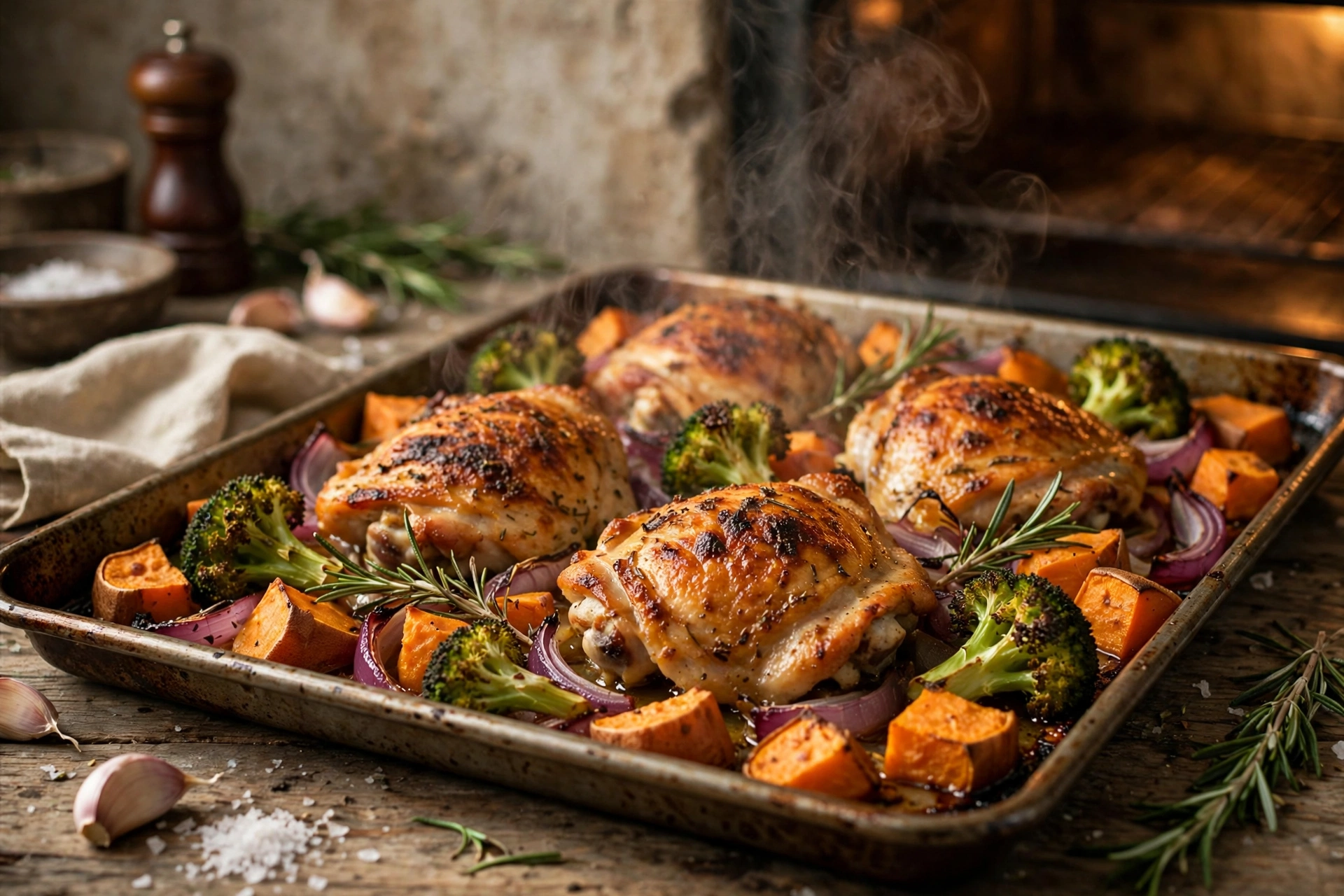
Chicken thighs are the meal prepper’s best friend. Unlike chicken breast, which dries out on the second reheat, thighs stay juicy because they carry a little more fat, and the vegetables roast in the same tray, soaking up the juices. One tray, minimal washing-up.
Prep: 10 minutes | Cook: 35 minutes | Serves: 4
Ingredients
- 8 bone-in, skin-on chicken thighs (about 800 g)
- 2 sweet potatoes, peeled and cut into chunks
- 1 head of broccoli, cut into florets
- 1 red onion, cut into wedges
- 3 tablespoons olive oil
- 1 teaspoon smoked paprika
- 1 teaspoon garlic powder
- 1 teaspoon dried oregano
- Salt and black pepper
- Juice of half a lemon, to serve
Method
- Heat the oven to 200°C (400°F). Toss the sweet potatoes, broccoli and onion with half the oil and a pinch of salt, and spread them on a large baking tray.
- Rub the chicken thighs with the remaining oil, paprika, garlic powder, oregano, salt and pepper, and nestle them among the vegetables, skin-side up.
- Roast for 30–35 minutes until the skin is golden and crisp and the juices run clear. Chicken should reach 74°C (165°F) inside — a meat thermometer takes the guesswork out of it.
- Rest for 5 minutes, squeeze over the lemon, and divide into four containers with the roasted vegetables.
Why it preps well: the thighs reheat in the microwave in about two minutes without drying out, and the roasted vegetables hold their texture for three days. Add a pouch of microwave rice on the day and it is a complete lunch. Keep the lemon for serving day — a fresh squeeze wakes the whole box up.
Recipe 2: Beef and bean chilli
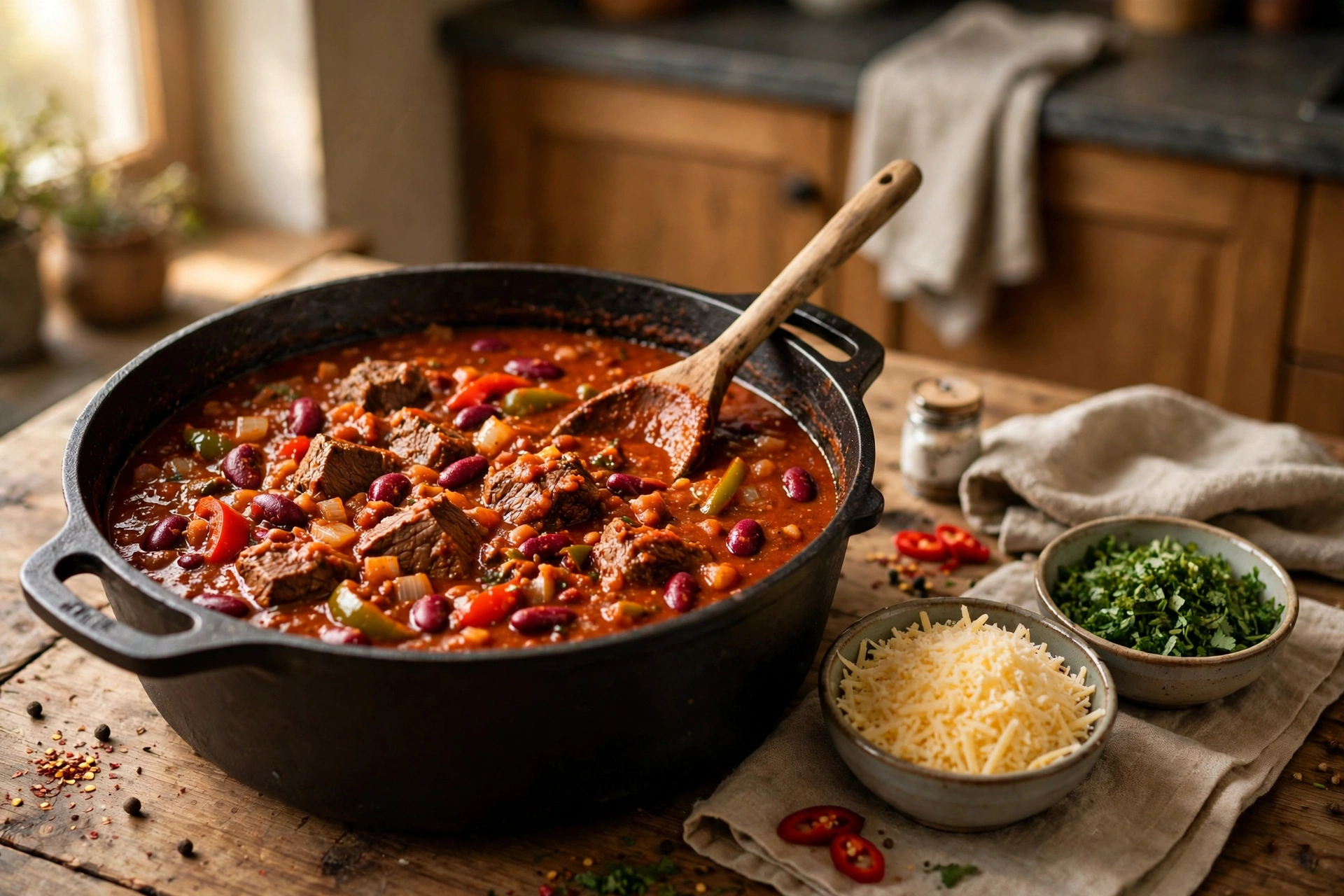
If one dish defines meal prep, it is chilli. It is cheap, it makes a big batch from one pot, and it genuinely tastes better on day two, once the spices have settled into the sauce. This version makes six portions: eat three this week, freeze three for later.
Prep: 10 minutes | Cook: 45 minutes | Serves: 6
Ingredients
- 500 g minced beef
- 1 onion, finely chopped
- 3 garlic cloves, minced
- 1 red pepper, diced
- 2 teaspoons ground cumin
- 2 teaspoons smoked paprika
- 1 teaspoon chilli powder (adjust to taste)
- 1 can (400 g) chopped tomatoes
- 2 tablespoons tomato purée
- 1 can (400 g) kidney beans, drained and rinsed
- 250 ml beef or vegetable stock
- 1 tablespoon olive oil, salt and pepper
- Rice, grated cheese and soured cream, to serve
Method
- Heat the oil in a large pot and brown the beef over a high heat, breaking it up with a spoon, for 5–6 minutes. Tip it out.
- In the same pot, soften the onion and pepper for 5 minutes, then add the garlic and spices and cook for 1 minute until fragrant.
- Return the beef, add the tomatoes, tomato purée, beans and stock, and season. Simmer, covered, for 35 minutes, stirring now and then.
- Taste and adjust the salt and chilli. Serve over rice with cheese and soured cream, or pack into containers — rice on one side, chilli on the other.
Why it preps well: the sauce protects the meat during reheating, the beans add fibre and bulk cheaply, and the pot freezes for up to three months. Swap the beef for turkey mince, or drop the meat and double the beans. Cool quickly and refrigerate within two hours.
Recipe 3: Red lentil and carrot soup
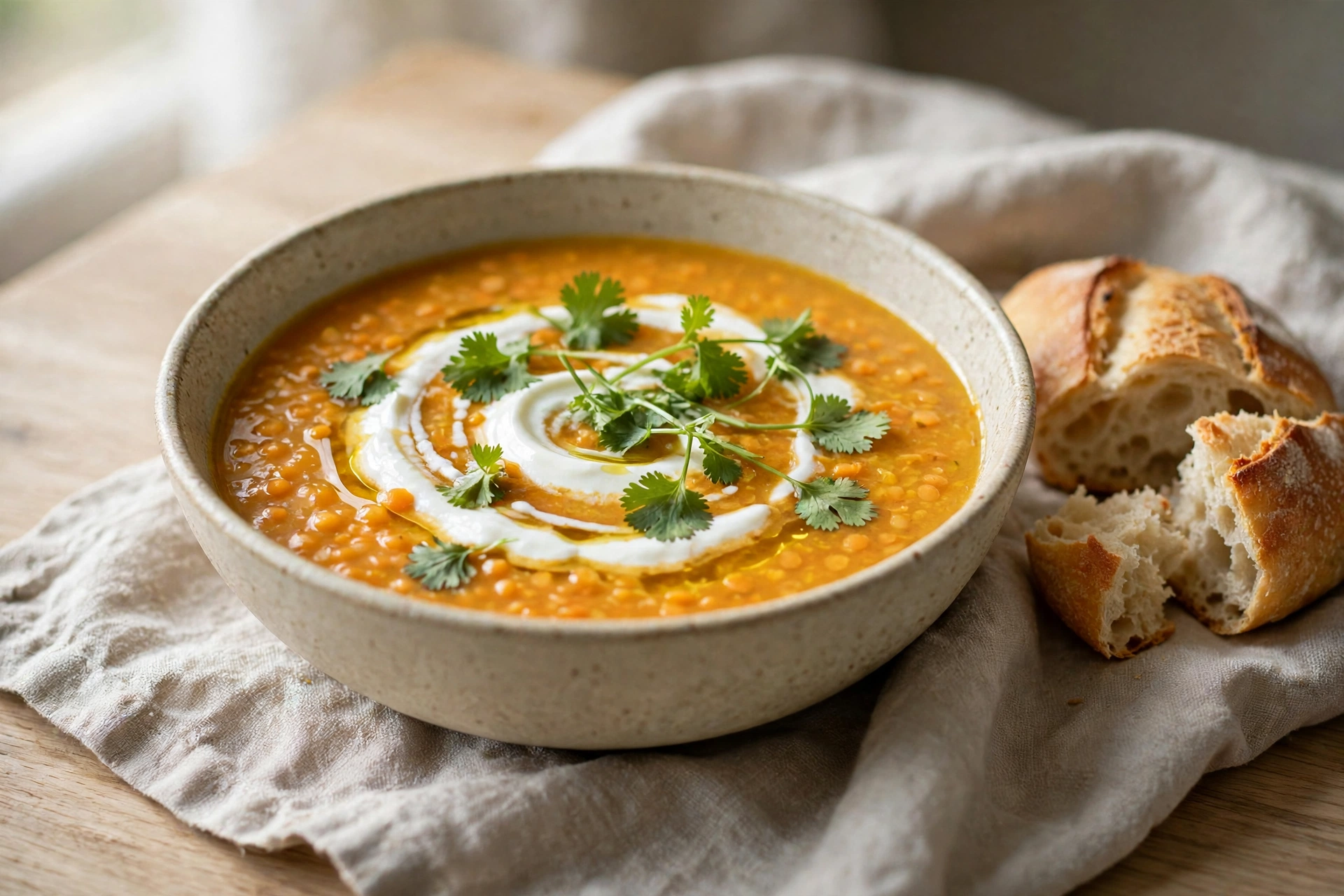
Soup is the most underrated meal prep recipe: it costs very little, makes five or six portions from one pot, and is almost impossible to ruin. Red lentils are the key — they cook in twenty minutes, break down into a thick, creamy soup without blending, and carry enough protein and fibre to keep you full until dinner.
Prep: 10 minutes | Cook: 25 minutes | Serves: 5
Ingredients
- 250 g red lentils, rinsed
- 2 carrots, diced
- 1 onion, chopped
- 2 garlic cloves, minced
- 1 tablespoon grated fresh ginger
- 1 teaspoon ground cumin
- 1 teaspoon ground coriander
- 1 litre vegetable stock
- 1 tablespoon olive oil
- Salt, black pepper and lemon juice
- Yogurt and fresh coriander, to serve
Method
- Heat the oil in a large pot, soften the onion and carrots for 5 minutes, then add the garlic, ginger and spices and cook for 1 minute.
- Add the lentils and stock, bring to a boil, then simmer for 20 minutes until the lentils have broken down and the soup thickens.
- Season with salt, pepper and lemon. Blend half the soup if you like it smoother, or leave it rustic.
- Cool and divide into five containers. Serve with a spoonful of yogurt and a handful of coriander on the day, not before storing.
Why it preps well: soup reheats perfectly, thaws perfectly, and the flavours deepen over two days. A tub of this plus bread is a lunch that costs pennies and takes two minutes to heat. For a homemade stock, our guide on how to make vegetable stock uses the scraps you would otherwise throw away.
Four more ideas that pass the tests
Three recipes cover three days. Four more dishes that pass the same tests, so the week never repeats itself:
- Chickpea and spinach curry. A tin of chickpeas, a tin of tomatoes, onion, garlic, ginger and garam masala, simmered for twenty minutes. Serve over rice — it freezes brilliantly.
- Turkey meatballs in tomato sauce. Roll, brown, simmer in passata with oregano for twenty minutes. Pack with pasta or bread — the sauce keeps them moist through reheating.
- Chicken fried rice. Day-old rice fries instead of steaming. Egg, frozen peas, soy sauce and leftover chicken, ten minutes in a hot pan.
- Tuna pasta bake. Pasta, tinned tuna, sweetcorn, a simple cheese sauce and a breadcrumb topping, baked until golden. Portion cold, reheat one at a time.
Notice the pattern: every one has a sauce, a grain or a bean, and nothing that depends on being crispy. That is the whole secret.
What not to meal prep
Some foods simply do not survive the fridge. Fried food goes soft. Leafy salads wilt under dressing — pack the dressing separately and add the leaves fresh. Avocado browns within hours. Rice is fine, but only if cooled quickly, refrigerated promptly and reheated only once until steaming hot. Crunchy toppings — breadcrumbs, fried onions, toasted nuts — should travel separately and go on at serving time.
The other mistake is prepping five identical boxes. Even the best recipe gets boring by Thursday, so cook two dishes, not one, and vary the grain or topping across the week: chilli over rice on Monday and in a wrap on Wednesday tastes like two different meals. Keep fresh herbs usable all week with our guide on how to store fresh herbs.
Frequently asked questions
What are the best recipes for meal prep for beginners?
Start with the three in this guide: a traybake, a chilli and a soup. Each uses one pot or tray and forgives small mistakes. Cook one dish per week until the routine feels easy.
How long do meal prep recipes last in the fridge?
Cooked meals generally keep for 3–4 days in the fridge in sealed containers. For a five-day plan, freeze the last two days’ portions on cooking day and defrost each the night before.
Can I freeze all meal prep recipes?
Most saucy dishes freeze well for up to three months — chilli, curry, soup and stew are ideal. Avoid freezing fried food, fresh salads, creamy dressings and crispy toppings.
How do I reheat meal prep without drying it out?
Add a splash of water or stock, cover loosely so steam stays in, and heat in short bursts, stirring halfway. Reheat until steaming hot throughout, only once per portion.
Is meal prep cheaper than buying lunch every day?
Usually, yes. Cooking in bulk uses cheaper ingredients, one shopping trip replaces five daily purchases, and planned portions mean less food thrown away. Good containers help too — see our guide to the best meal prep containers.
Final word
The best recipes for meal prep are not the fanciest ones. They are the forgiving ones: a traybake that stays juicy, a chilli that improves overnight, a soup that costs almost nothing. Pick one recipe, cook it this weekend, and eat it on Wednesday. If it still tastes good — and it will — you have found your first meal prep staple. Then add a second.
Source: USDA Food Safety and Inspection Service, Leftovers and Food Safety
Source: U.S. Food and Drug Administration, Food Safety in Your Kitchen