Discover the perfect Muay Thai diet and nutrition strategies to boost energy, speed up recovery, and improve your performance in the ring.
The Ultimate Muay Thai Diet and Nutrition Guide for Fighters
Throwing kicks, knees, and elbows in the ring takes more than just hours of practice. It takes serious fuel. If you are training in the art of eight limbs, you already know how exhausting a typical session can be. But all that heavy bag work and clinching will only take you so far if your plate is empty. That is where getting your muay thai diet and nutrition right becomes a complete game-changer. It is not about starving yourself to lose weight or eating whatever you want just because you burned a few calories. It is about feeding your body exactly what it needs to perform at its peak and recover faster. Let’s break down how to fuel your training the right way.
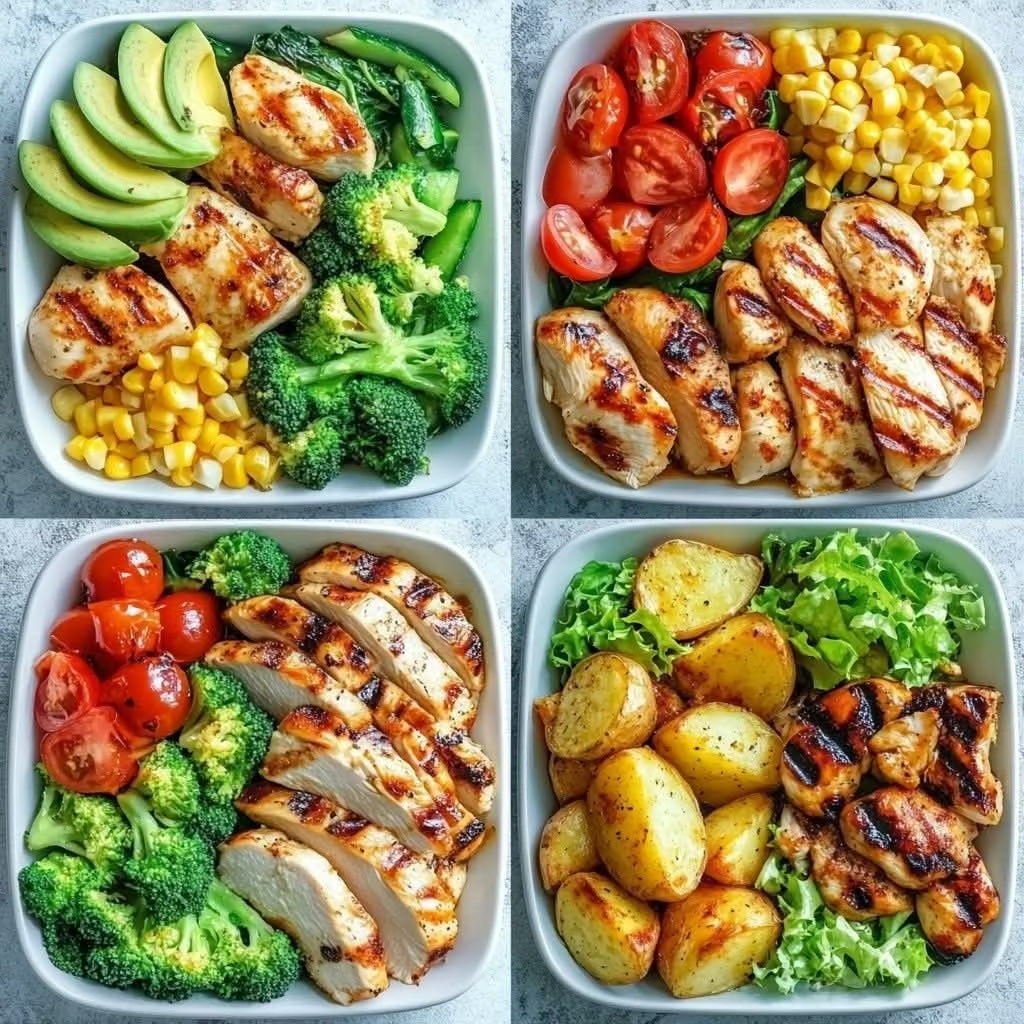
Best Tips at a Glance
| Focus Area | Action Step | Why It Matters |
|---|---|---|
| Carbohydrates | Base meals around rice, oats, or sweet potatoes | Replenishes glycogen stores for high-intensity pad work |
| Protein | Include a palm-sized portion of chicken, fish, or tofu | Repairs muscle tears from striking and clinching |
| Hydration | Drink water consistently throughout the day | Prevents cramping and fatigue during heavy training |
| Fats | Add a thumb-sized serving of avocado or olive oil | Supports joint health and long-term energy |
| Timing | Eat a balanced meal 2-3 hours before training | Ensures food is digested for maximum energy output |
The Basics of Muay Thai Diet and Nutrition
To get the most out of your training, you need to understand what macronutrients do for your body. A proper muay thai meal plan is not a random mix of foods. It is a calculated balance of three main components.
Carbohydrates Are Your Best Friend
There is a common myth that carbs make you slow. In Muay Thai, the exact opposite is true. When you are holding pads or sparring, your body relies on glycogen, which comes directly from carbohydrates. Without enough carbs, you will feel sluggish halfway through your rounds.
Real-life example: If you have a two-hour evening session scheduled, eating a plate of jasmine rice with grilled chicken at lunch gives your body the time it needs to convert that rice into usable energy for the gym.
Protein for Muscle Recovery
Every time you throw a punch or check a kick, your muscles experience tiny micro-tears. Protein is the building block your body uses to patch those tears back up, making you stronger.
Aim for lean sources like chicken breast, eggs, fish, or plant-based options like lentils. Spreading your protein intake across all your meals is much better than trying to eat it all at dinner.
Healthy Fats for Joint Health
Knees and ankles take a massive beating in Muay Thai. Healthy fats, particularly omega-3 fatty acids, help reduce inflammation in your joints. You do not need a lot of fat to get the benefits. A small handful of nuts, some olive oil drizzled over your salad, or a slice of avocado is plenty.
Hydration Is Non-Negotiable
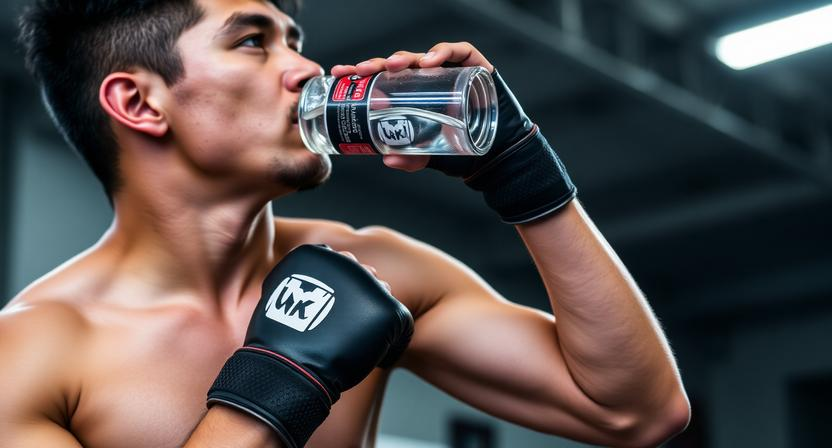
Thailand is hot, and most Muay Thai gyms do not have air conditioning. You are going to sweat. A lot. If you are dehydrated, your reaction time drops, and your risk of injury goes up. According to the Mayo Clinic’s guidelines on water intake, you need to drink fluids before you even feel thirsty to maintain peak performance. Add a pinch of salt or a squeeze of lime to your water bottle to replace the electrolytes you lose through sweat.
Timing Your Meals Around Training
When you eat is just as important as what you eat.
What to Eat Before Training
You never want to step onto the mats with a full stomach. Blood will rush to your digestive system, leaving you feeling heavy and sick. Instead, eat a small, easily digestible snack about 45 to 60 minutes before training. A banana and a small cup of oatmeal are a perfect pre-workout combo.
Post-Workout Recovery Window
After you bow out and take your gloves off, your body is screaming for nutrients. You have a 30 to 45-minute window where your muscles are highly receptive to absorbing carbs and protein. A simple shake made with whey protein and a banana works wonders here if you do not have time for a full meal.
Common Mistakes to Avoid
Even with the best intentions, fighters often sabotage their hard work with a few simple diet mistakes:
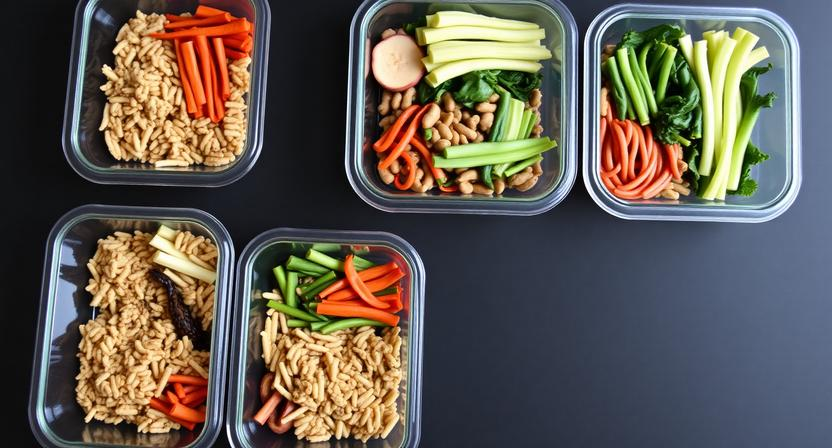
- Skipping meals to cut weight: Starving yourself will cause you to lose muscle mass, not fat. It also ruins your power output. Gradual weight cutting through portion control is much safer.
- Relying on sugary energy drinks: A can of Red Bull might give you a quick spike, but it will lead to a crash right when you need to push through your final rounds. Stick to whole foods.
- Ignoring fats completely: Some fighters go fat-free to stay lean, but this messes with hormone production and leads to brittle joints over time.
Who Can Benefit from This Approach?
You do not need to be a professional stadium fighter in Bangkok to use these strategies. This way of eating works for:
- Casual gym-goers who want to lose weight and get in shape.
- Amateur fighters preparing for their first bout.
- Busy professionals who train Muay Thai after work and need sustained energy without feeling bloated.
- Martial arts crossover athletes looking to improve their conditioning for MMA or kickboxing.
Frequently Asked Questions
How many calories should I eat on training days?
This depends on your weight, height, and goals. A good starting point is to eat your baseline maintenance calories, then add 300 to 500 calories on the days you train hard to fuel the extra activity.
Can I build muscle on a Muay Thai diet?
Yes, absolutely. You just need to ensure you are eating in a slight caloric surplus and getting enough protein. Harvard Health recommends aiming for 0.8 to 1 gram of protein per kilogram of body weight for general health, but fighters looking to build or maintain muscle often aim closer to 1.6 to 2.0 grams per kilogram.
What should I eat before a morning run?
Keep it very light. A glass of water and half a banana 15 minutes before you head out the door is usually enough to get you through a 30-minute road run without cramping.
Is the Muay Thai diet gluten-free?
It can be. Many traditional Thai dishes naturally rely on rice, which is gluten-free. You just need to swap out standard wheat noodles or soy sauce for rice noodles and tamari.
How much water do I really need?
Aim for at least 3 to 4 liters a day as a baseline. On heavy training days where you are sweating excessively, you may need upwards of 5 liters to stay fully hydrated.
Conclusion
Getting your muay thai diet and nutrition right does not have to be complicated. It comes down to eating clean, whole foods, timing your meals around your training sessions, and drinking plenty of water. When you give your body the right fuel, you will notice the difference in your stamina, your power, and how quickly you recover between sessions. If you are ready to take your training to the next level, start applying these eating habits today. For more healthy recipes and meal ideas that fit perfectly into a fighter’s lifestyle, explore our menu right here at RealMe Foods.

Related Posts

Diet Ginger Ale Nutrition Facts: Calories, Ingredients & Health Effects Explained
Introduction Attention: Diet ginger ale is often promoted as a smart alternative to regular soda. With zero sugar, almost no…

Diet and Nutrition App Development: The Complete Guide for 2025
Explore everything about diet and nutrition app development — from must-have features to costs, tech stacks, and expert tips. Build…

7 Amazing Reasons Natural Red Food Color Is a Better & Healthier Choice
Natural red food color offers a safer, healthier alternative for baking, cooking, and beverages. Learn its benefits, uses, and how…