Introduction
Attention: Diet ginger ale is often promoted as a smart alternative to regular soda. With zero sugar, almost no calories, and a refreshing taste, it feels like an easy upgrade for anyone trying to reduce sugar intake or manage weight.
Problem: Most people only look at the “zero calorie” claim and ignore everything else on the label. Artificial sweeteners, preservatives, and flavor additives may not show up in the calorie count but still play a role in how your body responds to the drink.
Promise: In this article, you’ll get a complete breakdown of diet ginger ale nutrition facts, including calories, ingredients, sweeteners, and health effects, so you can clearly understand what you’re actually drinking.
What Is Diet Ginger Ale?
Diet Ginger Ale nutrition facts are a carbonated soft drink designed to replicate the taste of traditional ginger ale without sugar. Instead of using sucrose or high-fructose corn syrup, manufacturers use artificial sweeteners to provide sweetness without calories.
Unlike traditional ginger ale, which originally contained real ginger root for digestion and nausea relief, modern diet versions are mostly flavored beverages with little to no actual ginger.
Diet Ginger Ale Nutrition Facts Overview
A standard 12 oz (355 ml) serving typically contains:
- Calories: 0–5
- Sugar: 0g
- Carbohydrates: 0g
- Fat: 0g
- Protein: 0g
- Sodium: 30–50 mg
Despite looking extremely “clean,” these numbers only represent macronutrients. They do not show artificial sweeteners, preservatives, or flavor chemicals.
Calories in Diet Ginger Ale
Most diet ginger ales are labeled as zero calories, but in reality, they may contain up to 4–5 calories per serving. Labeling rules allow this rounding, which is why “zero calorie” doesn’t always mean absolute zero.
The main reason calories are so low is the replacement of sugar with high-intensity sweeteners that are hundreds of times sweeter than sugar, so only tiny amounts are needed.
Ingredients in Diet Ginger Ale
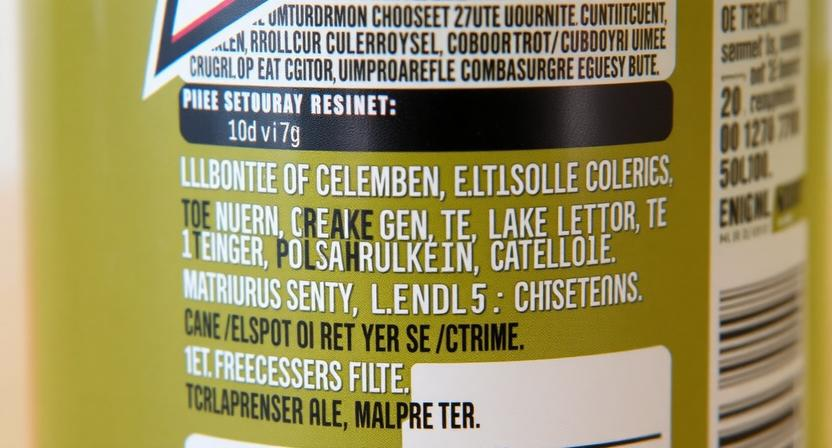
This is where the real story begins. The ingredient list usually includes:
- Carbonated water
- Citric acid
- Natural and artificial flavors
- Artificial sweeteners (aspartame, sucralose, Ace-K)
- Preservatives like sodium benzoate
Does It Contain Real Ginger?
In most commercial brands, the answer is no or very minimal. The “ginger” flavor is usually recreated using flavor compounds rather than actual ginger root, which removes many of its natural health benefits.
Artificial Sweeteners Explained
Artificial sweeteners are the key reason diet ginger ale tastes sweet without sugar.
Common types include:
- Aspartame: Widely used, very sweet, controversial in public debate
- Sucralose: Heat-stable and commonly used in beverages
- Acesulfame potassium (Ace-K): Often blended with other sweeteners
These sweeteners do not raise blood sugar directly, but they may still affect taste perception and appetite signals in some people.
Health Effects of Diet Ginger Ale
Potential Benefits
- Helps reduce sugar intake
- Very low-calorie beverage option
- Useful for people managing weight or diabetes
- Better than regular soda in terms of sugar load
Potential Concerns
- May increase cravings for sweet foods
- Possible gut microbiome changes (still being studied)
- No nutritional value (no vitamins or minerals)
- Can maintain dependency on sweet taste
Diet Ginger Ale vs Regular Ginger Ale
| Feature | Diet Ginger Ale | Regular Ginger Ale |
|---|---|---|
| Calories | 0–5 | 120–150 |
| Sugar | 0g | 30–40g |
| Sweetener | Artificial | Sugar |
| Blood Sugar Impact | Low | High |
| Nutrition Value | None | None |
Regular ginger ale has a much higher sugar load, but neither version provides meaningful nutrition.
Is Diet Ginger Ale Good for Weight Loss?

Diet ginger ale can support weight loss only if it replaces high-calorie beverages. However, it does not directly burn fat or boost metabolism.
It works best when:
- Used as a soda replacement
- Part of a controlled-calorie diet
It becomes less useful when:
- It increases sweet cravings
- It leads to over-snacking or compensatory eating
Myths About Diet Ginger Ale
Myth 1: It is a healthy drink
It contains no essential nutrients, so it is not a healthy beverage.
Myth 2: It contains real ginger benefits
Most commercial versions have little or no active ginger compounds.
Myth 3: Zero sugar means no impact on the body
Taste signals alone can still influence appetite and eating behavior.

Healthier Alternatives
If you want better options, consider:
- Sparkling water with lemon or mint
- Fresh ginger tea (real anti-inflammatory benefits)
- Cucumber or fruit-infused water
- Herbal teas like peppermint or chamomile
These provide hydration and flavor without artificial additives.
Who Should Limit Diet Ginger Ale?
- People sensitive to artificial sweeteners
- Children (taste preference development)
- Individuals with digestive issues
- Anyone trying to reduce sweet cravings long-term
Moderation is more important than complete avoidance.
How to Read the Label Like an Expert
Reading only calories is not enough. Focus on:
- Ingredient list (sweeteners and preservatives)
- Serving size (often misleading)
- Type of sweeteners used
- Frequency of consumption
Conclusion
Diet ginger ale looks simple on the surface, but the nutrition facts only tell part of the story. While it eliminates sugar and calories, it replaces them with artificial ingredients that may affect taste perception and eating habits over time.
It can be a useful alternative to sugary soda, but it should not be treated as a health drink. The best hydration still comes from water and naturally nutrient-rich beverages.
Published by Realmefoods Team

Related Posts
Diet Dr Pepper Nutrition Label: 7 Shocking Facts You Must Know
Discover the complete diet dr pepper nutrition label including calories, ingredients, caffeine, and health effects with images and expert insights.…
Black Tea Shot: 7 Powerful Benefits, Recipe Secrets & Expert Tips
Discover everything about the black tea shot—its ingredients, recipe, variations, alcohol content, and expert tips to make the perfect party…

Good Health Sandwich: Easy Recipe, Nutrition Benefits & Healthy Variations
Learn how to make a good health sandwich with simple ingredients. Discover healthy recipes, nutrition benefits, and easy variations for…