Introduction
[Problem] But have you ever looked closer at the fine print and wondered what is actually replacing that sugar? The “zero” on the front doesn’t tell the whole story. Between the chemical sweeteners like aspartame, the hidden sodium levels, and the lack of actual medicinal ginger, your “healthy” alternative might be doing more behind the scenes than you realize—especially if you are trying to stay in ketosis or manage your gut health.
[Promise] In this deep dive, I am going to deconstruct the Diet Ginger Ale nutrition label so you don’t have to. We will uncover exactly what chemicals are providing that sweetness, how the sodium content impacts your daily goals, and whether Canada Dry Diet is truly a safe bet for your lifestyle. By the end of this article, you’ll know exactly what’s really inside your soda and whether it deserves a spot in your daily routine.
Diet Ginger Ale Nutrition Facts: Beyond the Zeros
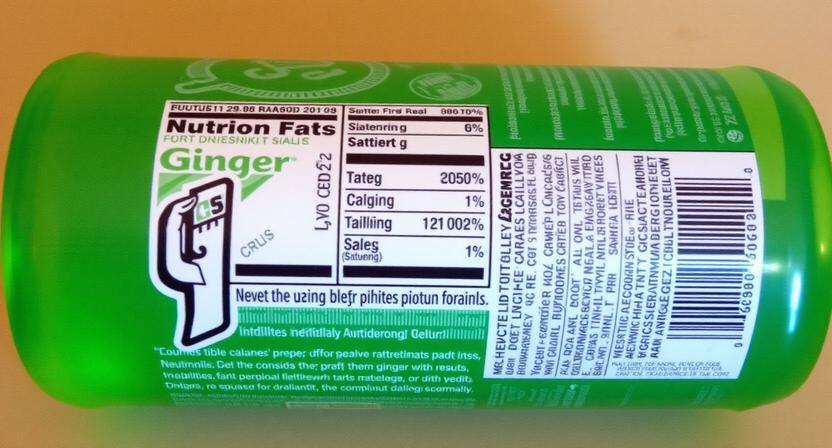
To understand the impact of this drink, we have to look past the “0” on the front of the can. While a 12oz serving technically contains no calories, the physiological response is more complex.
| Nutrient | Amount Per Can (12oz) | Biological Impact |
| Calories | 0 | Achieved via non-nutritive sweeteners. |
| Total Fat | 0g | Standard for carbonated soft drinks. |
| Sodium | 50mg – 120mg | Used as a preservative and flavor balancer. |
| Total Carb. | 0g | Glycemic index is typically 0. |
| Sugars | 0g | Replaced by high-intensity sweeteners. |
The Science of the Ingredients List
When a drink lacks sugar, it requires a chemical “cocktail” to maintain texture, shelf-life, and that signature ginger bite.
Does Canada Dry Diet Ginger Ale Have Aspartame?
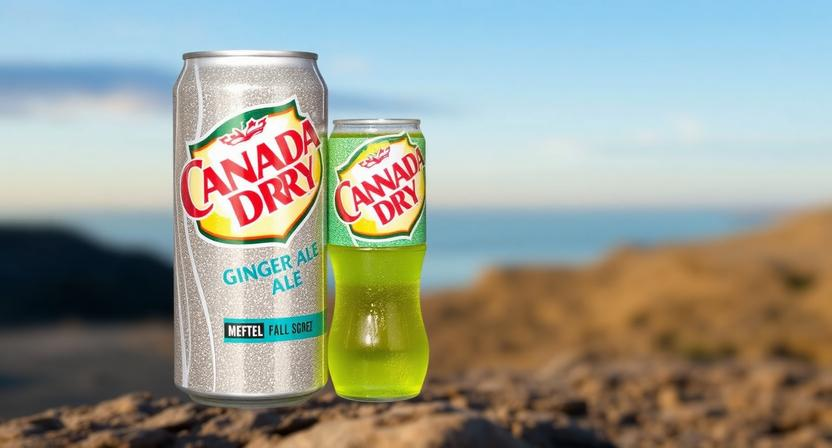
Yes. Aspartame remains the primary sweetener for Diet Canada Dry. However, it is almost always paired with Acesulfame Potassium (Ace-K).
- The Synergistic Effect: Ace-K is 200 times sweeter than sugar but has a bitter aftertaste. When mixed with Aspartame, they cancel out each other’s metallic notes, creating a sweetness profile that more closely mimics sucrose.
- The Health Debate: While the FDA maintains its safety, deep-dive nutritional studies often examine the Phenylalanine in aspartame, which is why you see a warning for people with PKU (Phenylketonuria).
The “Ginger” Paradox: Natural vs. Real
Most labels list “Natural Flavors.” In the beverage industry, this is often a ginger oleoresin or essence. While derived from real ginger, the heat-intensive processing removes the gingerols and shogaols—the bioactive compounds responsible for ginger’s famous anti-nausea and anti-inflammatory effects.
Is Diet Ginger Ale Keto Friendly? (The Insulin Question)
For those on a Ketogenic diet, the main goal is staying in Ketosis.
- Net Carbs: At 0g, it technically fits.
- The Cephalic Phase Insulin Response: Some researchers argue that the mere taste of sweetness on the tongue can trigger the brain to signal the pancreas to release a small amount of insulin. While it won’t kick everyone out of ketosis, “Clean Keto” advocates suggest that these spikes can stall weight loss for sensitive individuals.
The Marketing Evolution: Diet vs. Zero Sugar
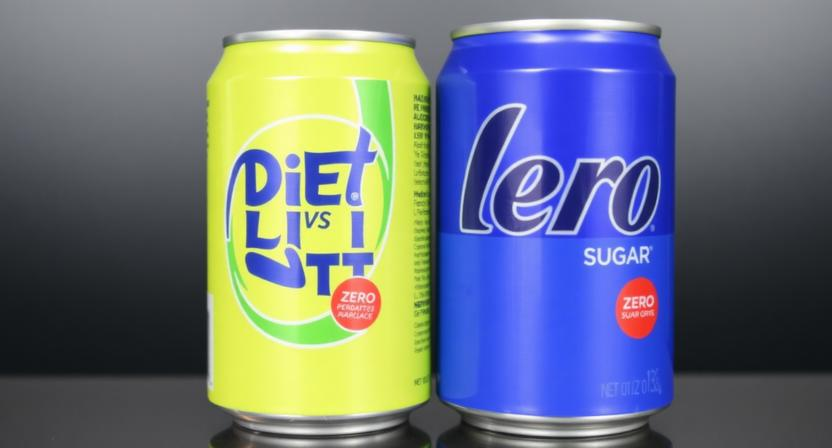
Why does Canada Dry sell both “Diet” and “Zero Sugar”? It’s a shift in Food Psychology.
- Taste Formulation: “Diet” was originally designed with a specific flavor profile that didn’t necessarily try to copy regular soda. “Zero Sugar” uses a different ratio of phosphoric or citric acids to mimic the “syrupy” mouthfeel of full-sugar ginger ale.
- Demographics: Marketing data shows that younger generations (Gen Z and Millennials) associate the word “Diet” with 80s fad dieting, whereas “Zero Sugar” sounds more like a high-performance, functional choice.
Deep Health Considerations: Sodium & Phosphorus
- The Sodium Factor: At 50mg to 120mg, a single can is about 5% of your daily limit. However, for those on Low-Sodium Diets (DASH diet) for hypertension, three cans a day represents a significant hidden source of salt that can lead to water retention.
- Bone Health: Many ginger ales use Phosphoric Acid to provide a sharp tang. Excessive intake of phosphorus can interfere with calcium absorption, potentially impacting bone density over decades of heavy consumption.
Final Verdict: To Drink or Not to Drink?
Diet Ginger Ale is a “functional” beverage—it functions as a tool to help you avoid liquid sugar.
- Use it if: You are trying to break a 40g-sugar-per-can habit.
- Avoid it if: You are looking for actual medicinal ginger benefits or have a sensitive gut microbiome.

One Reply to “Diet Ginger Ale Nutrition Label: What’s Really Inside Your Soda?”
Leave a Reply
Related Posts

Natural Yellow Food Coloring: A Complete Guide to Safe, Vibrant Alternatives
Discover the best sources of natural yellow food coloring, from turmeric to saffron. Learn how to make your own dyes,…
The Ultimate Muay Thai Diet and Nutrition Guide for Fighters
Discover the perfect Muay Thai diet and nutrition strategies to boost energy, speed up recovery, and improve your performance in…
Healthy Foods Guide Nutrition Tips, Balanced Diet & Delicious Recipes
Discover the power of healthy foods with our complete guide to nutrition, balanced diets, and easy-to-cook recipes. Learn how to…
uu88 mang đến trải nghiệm giải trí trực tuyến với nhiều lựa chọn hấp dẫn như slot, casino live và cá cược thể thao cùng hệ thống bảo mật an toàn. Nhiều chương trình khuyến mãi giá trị được cập nhật đều đặn, truy cập ngay. WEBSITE: https://uu88u.it.com/