Introdection
There is nothing quite like the aroma of a Porketta roast (or Porchetta) wafting through the kitchen. This herb-crusted, slow-roasted Italian masterpiece is the crown jewel of Sunday dinners. However, whether you are using a traditional pork belly wrap or a convenient pork butt, there is one factor that determines whether your meal is a succulent success or a dry disappointment: the Porketta roast internal temperature.
Achieving the perfect level of doneness isn’t just about following a timer; it’s about understanding the science of the meat and the precision of food safety. In this comprehensive guide, we will dive deep into the exact temperatures you need, how to measure them, and the professional secrets to ensuring your Porketta remains juicy on the inside with that signature crackling skin on the outside.
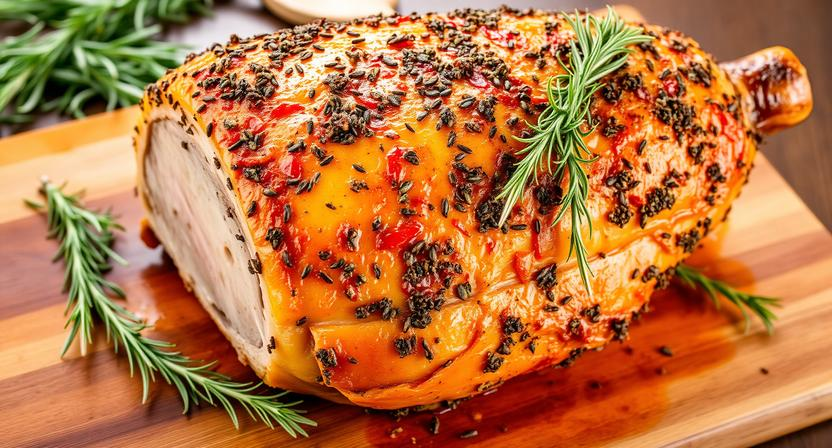
What is Porketta Roast?
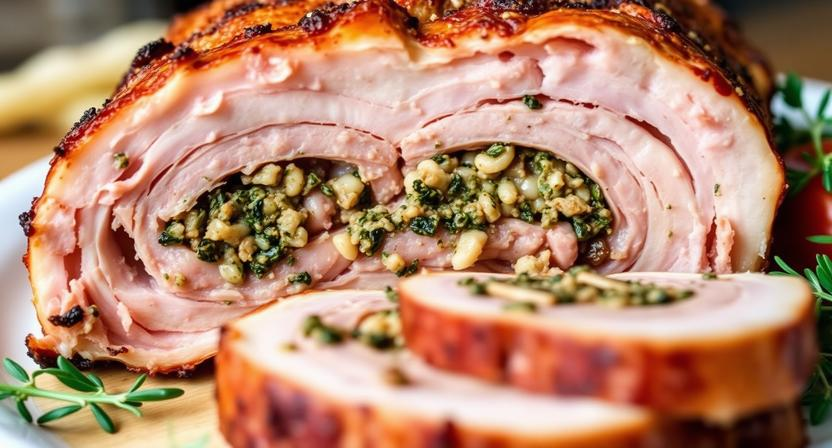
Porketta, traditionally spelled Porchetta, is a savory, fatty, and moist boneless pork roast of Italian origin. The traditional version involves deboning a whole pig, stuffing it with garlic, rosemary, fennel, and other aromatics, and roasting it over a wood fire.
In modern home kitchens, a Porketta roast is typically made from:
- Pork Shoulder (Butt or Picnic): Known for its fat marbling and rich flavor.
- Pork Loin: A leaner option often wrapped in pork belly to add moisture.
- Pork Belly: The gold standard for achieving “crackling” (chicharron-style skin).
The hallmark of a great Porketta is the heavy seasoning—a punchy blend of fennel seeds, black pepper, garlic, and salt that creates a crusty, flavorful exterior.
Why Porketta Roast Internal Temperature Matters
Understanding the Porketta roast internal temperature is vital for three main reasons:
- Food Safety: According to the USDA, pork must reach a minimum temperature to eliminate pathogens like Trichinella.
- Texture and Tenderness: Porketta is often made from tough, connective-tissue-heavy cuts like the shoulder. If you stop at the “safe” minimum, the meat might be safe to eat, but it will be tough and chewy. To melt that collagen into gelatin, you need to aim higher.
- Moisture Retention: Once you pass a certain thermal threshold, the muscle fibers begin to squeeze out moisture. Precision prevents your roast from turning into “pork jerky.”
The Ideal Temperature Ranges for Porketta
Depending on the cut of meat you are using and your desired texture, the target Porketta roast internal temperature will vary.
| Doneness Level | Internal Temp (F) | Internal Temp (C) | Best For… |
| USDA Minimum | 145°F | 63°C | Lean Loin Porketta (Sliceable) |
| Medium-Well | 150°F – 155°F | 66°C – 68°C | Standard Loin-based Roast |
| Ideal for Shoulder | 180°F – 190°F | 82°C – 88°C | Slicing Porketta with melted fat |
| Pull-Apart Tender | 195°F – 205°F | 91°C – 96°C | Shredded Porketta Sandwiches |
Pro Tip: Always account for carryover cooking. If your target is 145°F, pull the roast out at 140°F. The residual heat will continue to raise the internal temperature while the meat rests.
Key Ingredients for a Perfect Roast
To complement the perfect temperature, you need the right flavor profile. Here are the components of a classic Porketta rub:
- The Meat: 4-6 lb Pork Butt or Loin.
- Aromatics: Fresh minced garlic (at least 6 cloves).
- Seeds: Toasted fennel seeds (the “soul” of Porketta).
- Herbs: Fresh rosemary and sage.
- Acid/Zest: Lemon zest to cut through the fat.
- Heat: Red pepper flakes or cracked black pepper.
Step-by-Step Guide to Roasting Porketta
In my experience, using a wire rack is better than placing the meat directly on the pan because it prevents the bottom from getting soggy.
1. Preparation and Scoring
If your roast has a fat cap or skin, use a sharp knife to score it in a diamond pattern. This allows the fat to render and the seasoning to penetrate deep into the meat.
2. Seasoning (The Dry Brine)
Apply your herb and garlic rub generously. For the best results, do this 24 hours in advance and leave the roast uncovered in the fridge. This “air-chills” the skin, ensuring it gets crispy.
3. Searing or High-Heat Start
Start your oven high—around 450°F (230°C)—for the first 20-30 minutes. This “shocks” the exterior to begin the browning process.
4. The Low and Slow Roast
Drop the oven temperature to 325°F (163°C). This is where the magic happens. Slow cooking allows the Porketta roast’s internal temperature to rise evenly without burning the outside.
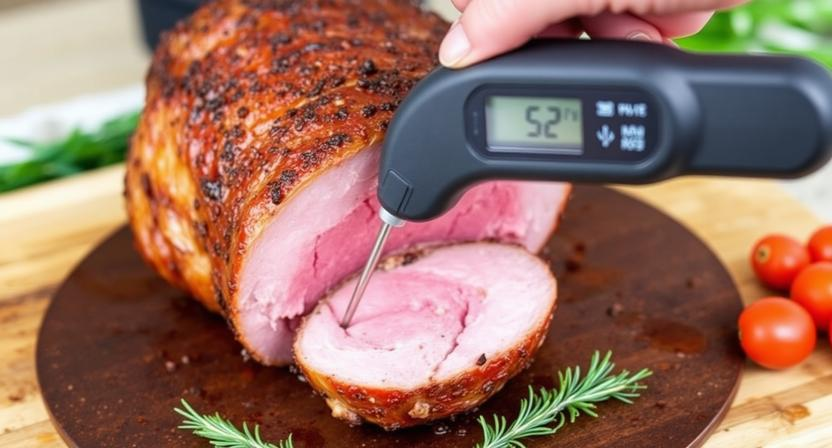
5. Monitoring the Temp
Insert a meat thermometer into the thickest part of the roast, avoiding bone or pure fat pockets.
6. The Rest
Once you hit your target temperature, let the meat rest for at least 15-20 minutes. This allows the juices to redistribute.
Common Variations of Porketta
- The Porchetta-Style Chicken: Using the same fennel and garlic rub on a whole chicken.
- Slow Cooker Porketta: Great for busy weekdays, though you lose the crispy skin. Target 190°F for a “melt-in-your-mouth” texture.
- Sous Vide Porketta: Cooked at exactly 145°F for 24 hours for a perfectly pink, tender result, followed by a quick sear in a hot pan.
Common Mistakes to Avoid
- Relying on the “Clear Juices” Test: This is an outdated myth. The only way to ensure the Porketta roast’s internal temperature is accurate is with a digital thermometer.
- Skipping the Rest: Cutting into a roast immediately will cause all the flavor to leak onto the cutting board.
- Crowding the Pan: Use a roasting rack so air can circulate. This ensures the bottom of the roast doesn’t get soggy.
- Using Dried Herbs Only: While possible, fresh rosemary and garlic provide a much more vibrant “authentic” Italian flavor.
Best Usage Tips for Leftovers
Porketta is arguably better the next day.
- The Ultimate Sandwich: Thinly slice cold Porketta and serve on a ciabatta roll with rapini (broccoli rabe) and provolone.
- Porketta Tacos: The fennel notes surprisingly pair well with fresh salsa verde.
- Breakfast Hash: Dice the leftover meat and fry it with potatoes and onions, topped with a poached egg.
Practical Tips for Readers
- Buy Local: A heritage breed hog (like Berkshire) has better intramuscular fat, making the internal temperature window more forgiving.
- Calibrate Your Thermometer: Once a month, stick your thermometer in ice water to ensure it reads 32°F.
- Dry the Skin: If the skin isn’t getting crispy, pat it with a paper towel mid-roast to remove excess moisture.
FAQs: Porketta Roast Internal Temperature
1. Is it okay if my Porketta is slightly pink?
Yes. According to USDA Food Safety guidelines, pork cooked to 145°F is safe and may have a blush of pink in the center.
2. How long does it take to roast a 5lb Porketta?
At 325°F, expect about 20-25 minutes per pound, but always cook to temperature, not time.
3. What if I want to shred the meat?
Aim for a Porketta roast internal temperature of 200°F to 205°F. At this point, the muscle fibers separate easily.
4. Where should I insert the thermometer?
In the very center of the thickest part, away from the roasting pan or any bones.
5. Why is my Porketta tough?
You likely stopped cooking between 150°F and 170°F. This is the “tough zone” where the meat is done, but the connective tissue hasn’t melted yet. Either go to 145°F (for loin) or past 185°F (for shoulder).
6. Can I cook Porketta from frozen?
It is not recommended. The outside will overcook and dry out before the center reaches a safe temperature.
7. Does the temperature change if I use a smoker?
The target internal temperature remains the same, but the “stall” (where the temp stops rising) usually happens around 160°F. Be patient!
8. How do I get the skin crispy without overcooking the meat?
If the meat is done but the skin is soft, remove the roast and put it under the broiler for 2-4 minutes, watching it very closely.
Conclusion
Mastering the Porketta roast internal temperature is the bridge between a hobbyist cook and a kitchen pro. By choosing the right cut, seasoning with intention, and using a reliable thermometer, you can serve a meal that is rich, aromatic, and perfectly juicy every single time. Remember, 145°F for a sliceable loin and 190°F+ for a succulent shoulder—rest it well, and enjoy the fruits of your labor!
https://docs.google.com/document/d/1n88cOx7LPKv9pcwQMQBdEALhWJbUzOjW6cHTNbP3yy0/edit?usp=drive_web

Related Posts

Buy Organic Food Online: The Smart Guide to Eating Clean and Healthy
In today’s fast-paced world, people are becoming increasingly conscious of their health, nutrition, and the environment. One of the most…

Benefits of Healthy Eating: How Good Food Improves Your Life
Explore the benefits of healthy eating, from better energy and digestion to disease prevention and mental well-being. Introduction Healthy eating…

Healthy Eating: A Practical Guide to Nourishing Your Body
Discover what healthy eating really means! Learn simple, sustainable habits for balanced nutrition, mindful eating, and lasting well-being. Introduction Tired…