Struggling with midday fatigue? Transform your workday with these practical healthy eating habits at work. Learn how to fuel your body for better focus, sustained energy, and long-term professional success.
Introduction
In today’s high-pressure corporate world, our diets are often the first thing we sacrifice. Between back-to-back meetings and tight deadlines, it is easy to fall into the trap of relying on vending machine snacks or excessive caffeine just to get through the afternoon. However, peak performance starts with your plate. Implementing sustainable healthy eating habits at work is the most effective way to eliminate brain fog and stay sharp throughout the day.
While many employees believe that improving their diet requires a total lifestyle overhaul, the reality is much simpler. Small, mindful shifts in your healthy eating habits at work—such as choosing complex carbs over refined sugars—can provide the steady energy needed to handle a demanding schedule. Instead of reaching for a quick fix that leads to an inevitable crash, strategic nutrition allows you to maintain a consistent competitive edge.
In this guide, we will explore why your office nutrition is the foundation of your success and provide 10 actionable healthy eating habits at work designed specifically for the busy professional.
Why Workplace Nutrition Matters
Adopting healthy eating habits at work isn’t just about physical fitness; it’s a strategic professional advantage. Your dietary choices directly influence your cognitive performance and emotional resilience throughout the day.
- Sustained Energy & Stamina: Nutrient-dense meals stabilize blood sugar levels, effectively eliminating the “afternoon slump” and keeping you productive until the final whistle.
- Enhanced Mental Clarity: Brain-boosting foods—rich in Omega-3s, antioxidants, and lean proteins—sharpen memory, accelerate decision-making, and improve focus.
- Superior Stress Management: Proper nutrition regulates cortisol levels, helping you stay calm and composed during high-pressure meetings or tight deadlines.
- Prevention of Chronic Fatigue: Consistent healthy eating habits at work reduce the risk of long-term health issues like diabetes and heart disease, ensuring a longer, more vibrant career.
Expert Insight: According to Harvard Health, consuming nutrient-dense meals protects long-term neurological health while providing the immediate glucose stability required for complex problem-solving.
Top 10 Healthy Eating Habits at Work
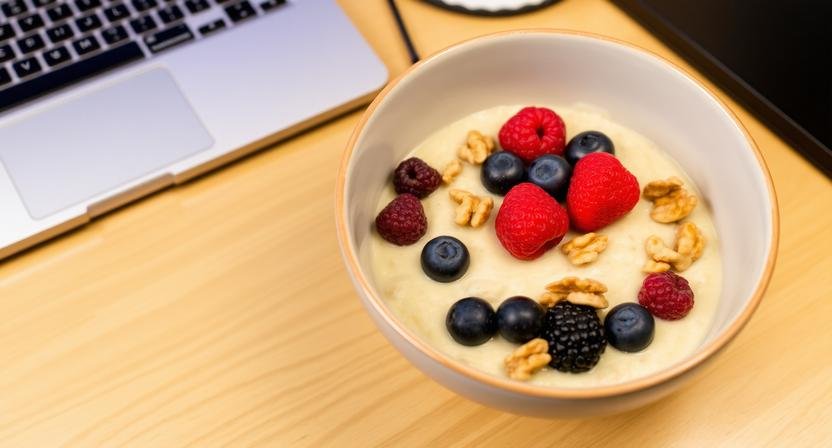
1. Prioritize a High-Protein Breakfast
Fuel your metabolism before the workday begins. A breakfast rich in fiber and protein prevents mid-morning hunger pangs and keeps your brain engaged.
2. Master the Balanced Lunchbox
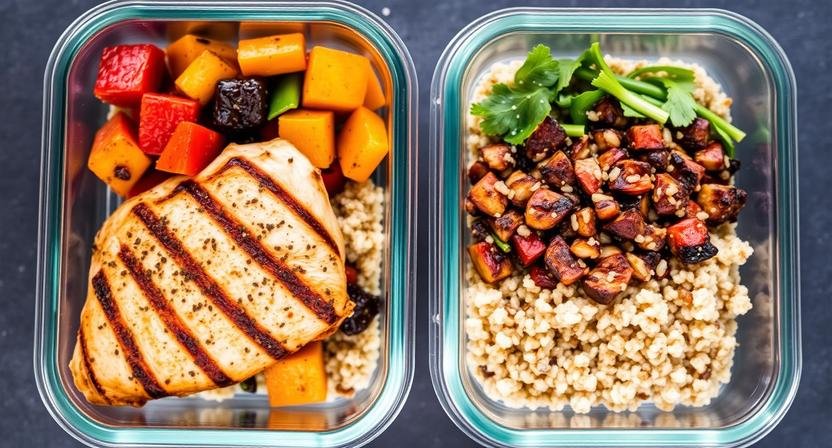
Move away from heavy takeout. Aim for a “Power Bowl” structure: 50% vegetables, 25% lean protein (like grilled chicken or chickpeas), and 25% complex carbohydrates (like quinoa).
3. Strategic Snacking
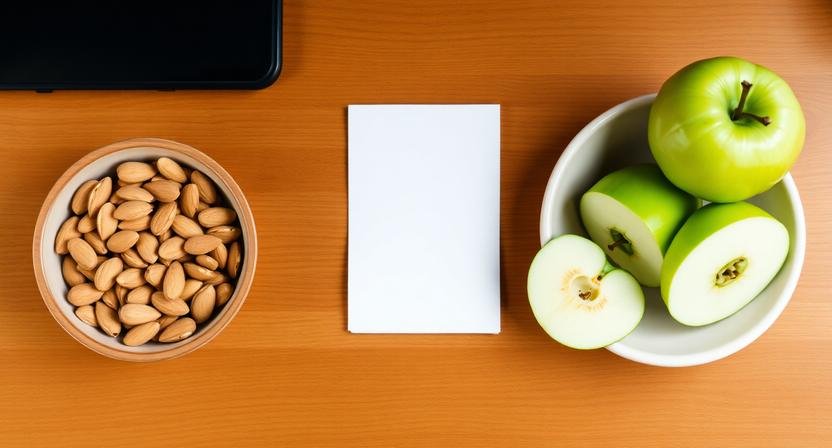
Swap processed crackers for “brain foods” like almonds, Greek yogurt, or apple slices. These provide a slow release of energy rather than a sugar spike.
4. Hydration for Cognitive Function
Even mild dehydration can lead to brain fog and fatigue. Keep a reusable water bottle at your station and aim for consistent intake throughout the day.
5. Eliminate Liquid Sugars
Sodas and energy drinks provide a false sense of energy followed by a harsh crash. Switch to sparkling water, herbal infusions, or kombucha for a natural lift.
6. Mindful Portion Control
Heavy, oversized meals divert blood flow to digestion, causing “food comas.” Use smaller containers to manage portions and maintain alertness.
7. Choose Whole Foods over Processed Labels
Whole grains and fresh produce provide the micronutrients your body needs to fight off office-related stress and inflammation.
8. Step Away from the Screen (Mindful Eating)
Eating while answering emails leads to mindless overconsumption. Take at least 15 minutes to eat away from your desk to improve digestion and mental reset.
9. The Power of Weekend Prep
Successful healthy eating habits at work start on Sunday. Preparing your ingredients in advance removes the “decision fatigue” that leads to poor food choices on busy Wednesdays.
10. Moderate and Buffer Caffeine
While coffee enhances alertness, excessive amounts lead to jitters and sleep disruption. A professional tip: for every cup of coffee, drink two glasses of water to maintain hydration.
Benefits of Better Nutrition in the Office
- Consistent Productivity: No more fluctuating energy levels.
- Mental Sharpness: Improved memory retention and creative thinking.
- Resilience: Fewer sick days and a stronger immune system.
- Better Mood: Reduced irritability and higher workplace morale.
The Employer’s Role: Cultivating a Culture of Health
Leadership plays a vital role in employee wellness. Forward-thinking companies are now:
- Replacing vending machine junk with fresh fruit and nuts.
- Providing ergonomic hydration stations.
- Encouraging “walking meetings” and dedicated lunch breaks.
Note: Mayo Clinic research suggests that workplace wellness programs significantly increase employee retention and overall job satisfaction.
FAQs: Healthy Eating Habits at Work
Q: What is the best “brain food” for a long afternoon meeting?
A: Walnuts and blueberries are excellent. They are easy to eat, non-messy, and packed with antioxidants that support cognitive function.
Q: How do I stop snacking when I’m stressed?
A: Keep a large bottle of water nearby. Often, our brains mistake thirst for hunger. If you must snack, choose something crunchy like carrots or celery.
Q: Is black coffee okay during work hours?
A: Yes, in moderation. Black coffee is calorie-free and high in antioxidants, but try to avoid adding heavy creams and sugars which cause energy dips.
Conclusion
Developing healthy eating habits at work isn’t about perfection; it’s about making smarter, consistent choices that fuel your professional goals. By focusing on whole foods, staying hydrated, and planning ahead, you can transform your workday from a struggle into a high-performance experience.
Your Action Step: Start tomorrow by swapping your afternoon soda for a bottle of water and a handful of nuts. Small changes today lead to a healthier, more focused career tomorrow.

Related Posts
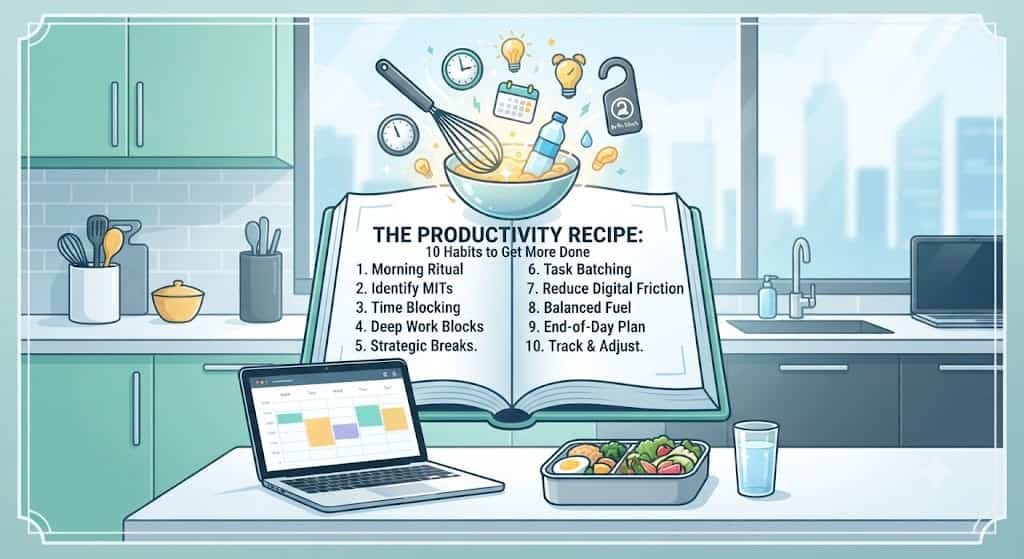
The Productivity Recipe: 10 Habits to Get More Done
Discover the ultimate productivity recipe — 10 proven daily habits backed by science that help you focus better, beat burnout,…

Healthy Food Buying Guide: Shop Smart, Eat Better, Save More
A healthy food buying guide can seem simple until you step into a supermarket. Bright packaging, “natural” labels, discount bundles,…

The Ultimate Guide to Porketta Roast Internal Temperature
Introdection There is nothing quite like the aroma of a Porketta roast (or Porchetta) wafting through the kitchen. This herb-crusted,…