Understanding your metabolic health is the first step toward a longer, more energetic life. Your body is a sophisticated machine that is constantly sending you signals about its internal state. That mid-afternoon energy crash, sudden hunger pangs, or stubborn belly fat are not random events—they are direct indicators of how your system is functioning. By learning to listen to these signals, you can take control of your wellness.

Defining the Five Core Markers of Wellness
In the medical world, your metabolic function is defined by five key clinical markers:
- Blood Sugar: How your body processes glucose.
- Triglycerides: The amount of fat circulating in your blood.
- HDL Cholesterol: Often referred to as “good” cholesterol.
- Blood Pressure: The force of your blood against artery walls.
- Waist Circumference: The measurement around your midsection.
When all five markers are healthy without medication, you have reached optimal physical efficiency. If even one is off, it could be an early warning sign of insulin resistance.
The Role of Insulin and Blood Sugar
When we eat, our bodies break down carbohydrates into glucose. To move this glucose into our cells for energy, the pancreas releases insulin. Problems arise when our cells stop responding to insulin effectively—a condition known as insulin resistance that directly compromises our long-term vitality.
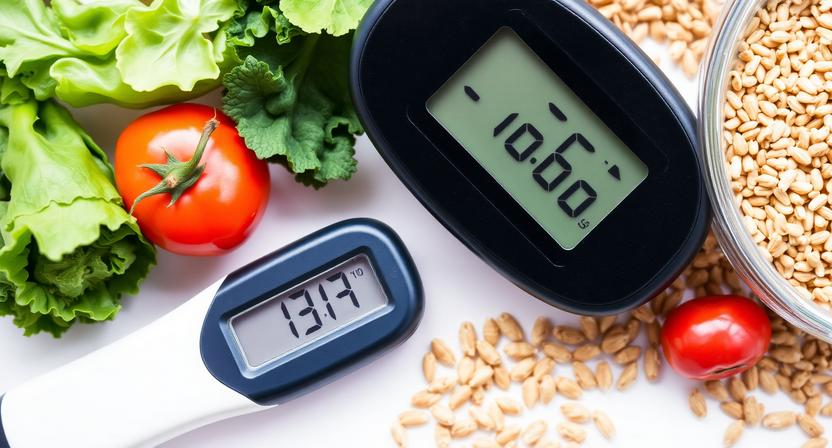
Strategies for Improving Metabolic Health: Diet, Sleep, and Stress
Maintaining a healthy metabolism isn’t just about the gym; it’s about your daily habits:
- Nutrient-Dense Diet: Focus on whole foods. For a metabolic health boost, try our Healthy Flourless Banana Pancakes.
- The Power of Sleep: Consistent, quality sleep is the most cost-effective way to boost your metabolic rate.
- Stress Management: High stress triggers cortisol, which prompts the liver to release extra glucose, straining your system.

Movement as Medicine for Better Metabolic Health
Exercise is about more than just burning calories. When you engage in resistance training, your muscles can actually absorb glucose from your blood without needing insulin, providing a massive boost to your metabolic health.
Pro-Tip: A 10-15 minute walk after a meal can reduce your blood sugar spike by up to 30%. For more on this, read our guide on Weight Loss vs. Metabolic Health.

Frequently Asked Questions (FAQs)
1. What is the easiest way to check my metabolic health at home?
The simplest method is the “Waist-to-Height Ratio.”
2. Does metabolism naturally slow down with age?
Not necessarily. You can maintain a high metabolic rate at any age through protein and strength training.
3. How can I control blood sugar spikes immediately?
A short walk after eating and high-fiber meals are the best natural ways to support metabolic health. See Healthline’s Metabolic Guide for more.
4. Can metabolic health be reversed?
Absolutely! By adopting a Hybrid Wellness approach, you can restore your body’s efficiency.
Disclaimer: This article is for informational purposes only. Always consult with a healthcare professional before making significant changes to your health routine.